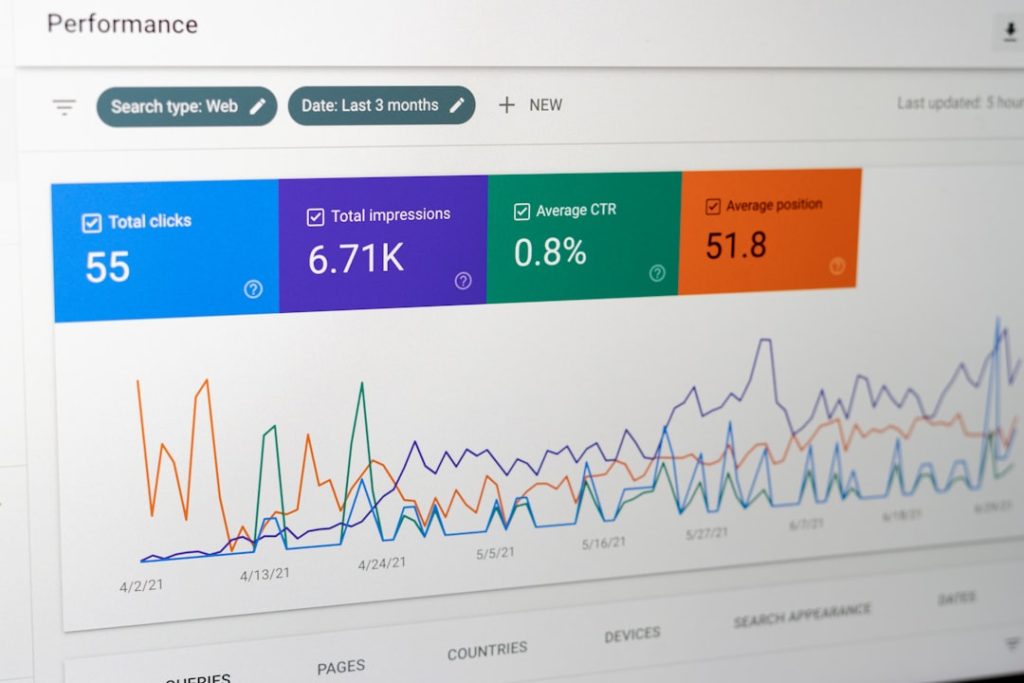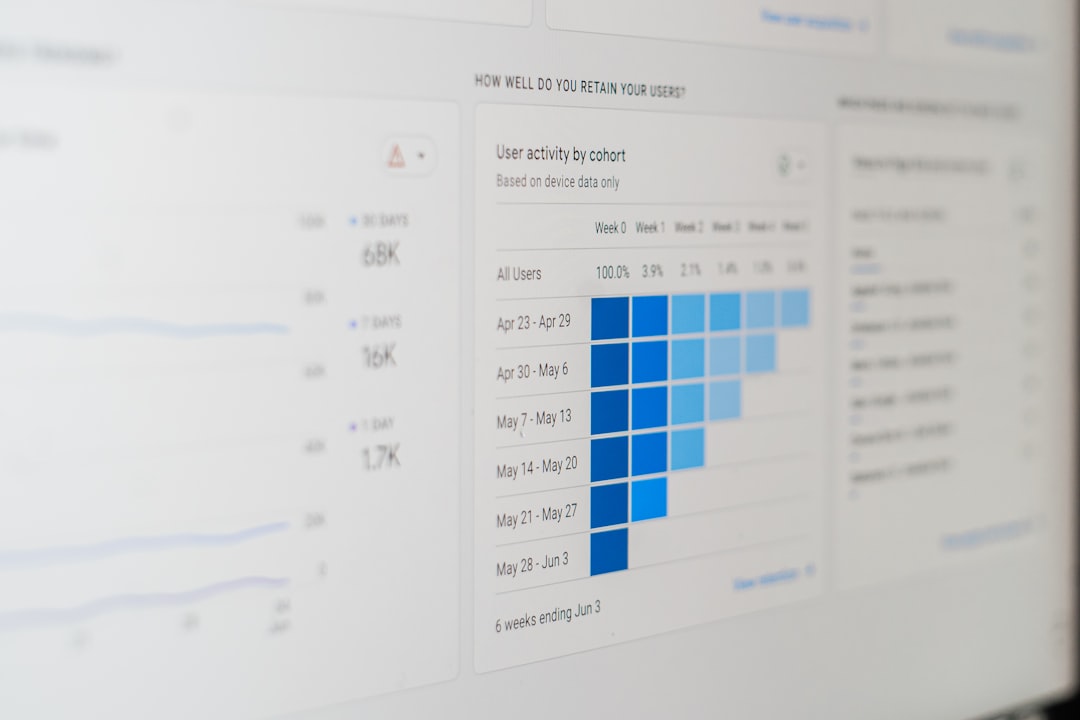

Authentication data used to be something teams checked only after an incident. Today, it is one of the most valuable real-time signals for detecting account takeover, insider risk, misconfigured policies, and user experience friction. A strong authentication reporting platform turns raw login events into dashboards, alerts, trends, and executive-ready analytics that help security, IT, and compliance teams act faster.
TLDR: The best authentication reporting platforms combine real-time dashboards, identity analytics, alerting, and compliance-friendly reporting. For example, a company with 2,000 employees might discover that 18% of failed logins come from legacy protocols or that 42% of MFA prompts happen outside business hours. Tools like Splunk, Datadog, Microsoft Entra ID, Okta, Auth0, Duo, and Elastic help teams spot risky sign-ins, reduce noise, and prove policy effectiveness. The right choice depends on your identity stack, security maturity, budget, and reporting needs.
What Makes a Great Authentication Reporting Platform?
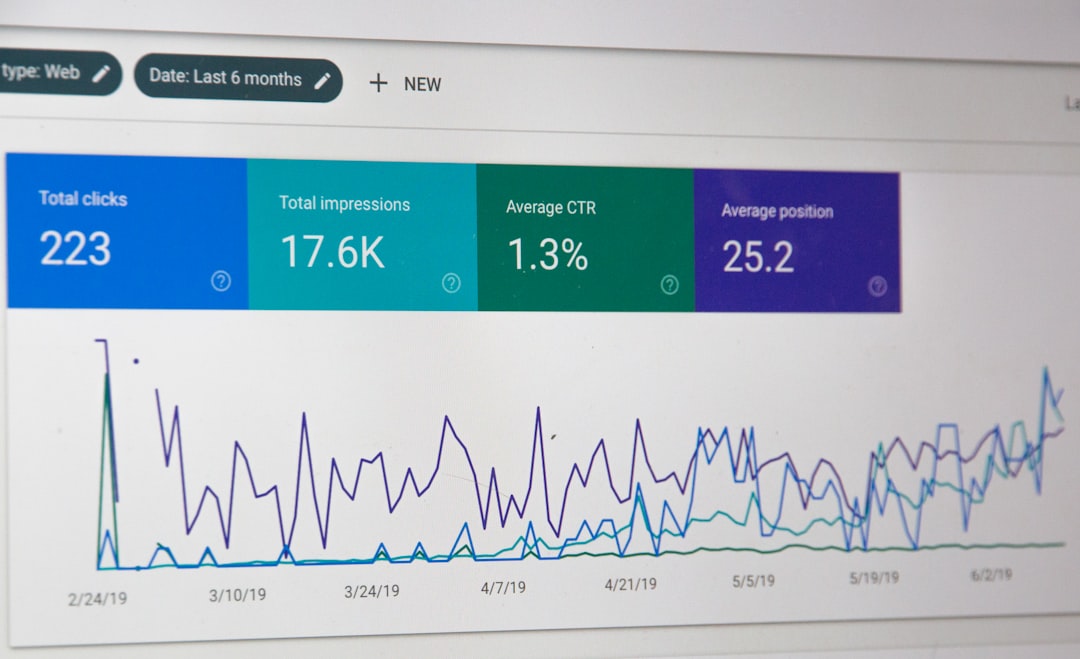
Authentication reporting is more than a list of successful and failed logins. The most useful platforms help answer practical questions: Who is logging in, from where, using what method, and under what risk context? They also make it easy to compare activity over time, investigate suspicious behavior, and generate reports for auditors or leadership.
When evaluating solutions, look for:
- Centralized visibility: Support for multiple identity providers, applications, VPNs, cloud services, and endpoints.
- Risk-based analytics: Detection of impossible travel, unusual device use, brute-force attempts, and suspicious geolocation patterns.
- Custom dashboards: Flexible charts for MFA adoption, failed login spikes, privileged access, and policy changes.
- Alerting and automation: Notifications or response workflows when suspicious authentication events occur.
- Compliance reporting: Exportable evidence for frameworks such as SOC 2, ISO 27001, HIPAA, and PCI DSS.
1. Splunk: Best for Deep Security Investigation
Splunk is a powerful option for organizations that want to ingest authentication events from many systems and correlate them with broader security telemetry. It can collect logs from identity providers, firewalls, SaaS apps, endpoint tools, and cloud platforms, then turn them into searchable dashboards.
Security teams value Splunk because it supports highly detailed investigations. Analysts can pivot from a failed login to IP reputation, endpoint activity, VPN access, and administrative changes. Its dashboards can show failed authentication by country, MFA bypass attempts, high-risk users, and privileged account activity.
Best for: Enterprises, security operations centers, and teams that need advanced log correlation.
Watch out for: Splunk can require careful configuration and cost management, especially with high log volumes.
2. Datadog: Best for Cloud-Native Authentication Observability
Datadog is well known for infrastructure and application monitoring, but it also provides strong security and log analytics features. For cloud-native organizations, it can connect authentication events with application performance, API activity, and infrastructure behavior.
This is especially helpful when login issues affect customer experience. For example, if users report sign-in failures after a deployment, Datadog can help correlate authentication errors with service latency, API failures, or configuration changes.
Best for: DevOps-driven teams, SaaS companies, and organizations that want security analytics connected to application observability.
Watch out for: Teams focused only on identity governance may find it broader than necessary.
3. Microsoft Entra ID Workbooks: Best for Microsoft-Centric Environments
Microsoft Entra ID, formerly Azure Active Directory, offers sign-in logs, audit logs, risk detections, and customizable Workbooks for authentication reporting. For companies already using Microsoft 365, Azure, Conditional Access, and Defender products, it is a natural starting point.
Entra dashboards can highlight risky sign-ins, MFA registration status, Conditional Access policy impact, passwordless adoption, and legacy authentication usage. This makes it particularly useful for organizations trying to harden access without disrupting productivity.

Best for: Organizations heavily invested in Microsoft 365, Azure, and Conditional Access.
Watch out for: Some advanced reporting and retention features may depend on licensing and integration with Azure Monitor or Microsoft Sentinel.
4. Okta System Log and Reports: Best for Workforce Identity Visibility
Okta provides strong built-in reporting through its System Log, dashboards, and security behavior detection. It is particularly useful for workforce identity programs because it tracks sign-ins, MFA events, lifecycle changes, app assignments, admin actions, and policy outcomes.
Okta’s reporting helps teams understand whether access policies are working as intended. You can investigate repeated MFA failures, identify users locked out of key apps, review administrative changes, and monitor suspicious sign-in behavior across integrated applications.
Best for: Companies using Okta as their central identity provider for employees, contractors, and partners.
Watch out for: For broader SIEM-style correlation, Okta data is often exported to platforms like Splunk, Elastic, or Datadog.
5. Auth0 Monitoring: Best for Customer Identity Analytics
Auth0, now part of Okta, is widely used for customer identity and access management. Its monitoring and log event features help product, engineering, and security teams track sign-up, login, MFA, password reset, and suspicious activity patterns.
Customer authentication analytics are different from workforce identity analytics. A sudden rise in failed logins may indicate credential stuffing, but it may also signal a broken social login connection or a confusing user flow. Auth0 helps teams examine these signals from both a security and customer experience perspective.
Best for: SaaS products, marketplaces, mobile apps, and digital platforms with external users.
Watch out for: Long-term analytics and complex visualizations may require exporting logs to another analytics or SIEM platform.
6. Duo Trust Monitor: Best for MFA and Device-Centric Insights
Duo is known for multi-factor authentication, but its reporting capabilities are valuable for understanding access trust. Duo dashboards can show MFA usage, device health, authentication approval patterns, and risky behavior such as repeated denied pushes or unfamiliar access attempts.
The platform is especially helpful for reducing MFA fatigue risk. If a user receives 25 push requests in 10 minutes, that pattern deserves immediate attention. Duo reporting can help distinguish normal authentication from suspicious approval pressure, outdated devices, and policy gaps.
Best for: Teams prioritizing MFA visibility, device trust, and secure remote access.
Watch out for: Duo is strongest around MFA and access trust, so broader identity analytics may require integrations.
7. Elastic Security and Kibana: Best for Flexible Open Analytics
Elastic Security, combined with Kibana, offers a flexible analytics environment for authentication reporting. It is popular with teams that want customizable dashboards, scalable log search, and the ability to combine authentication data with endpoint, network, and cloud events.
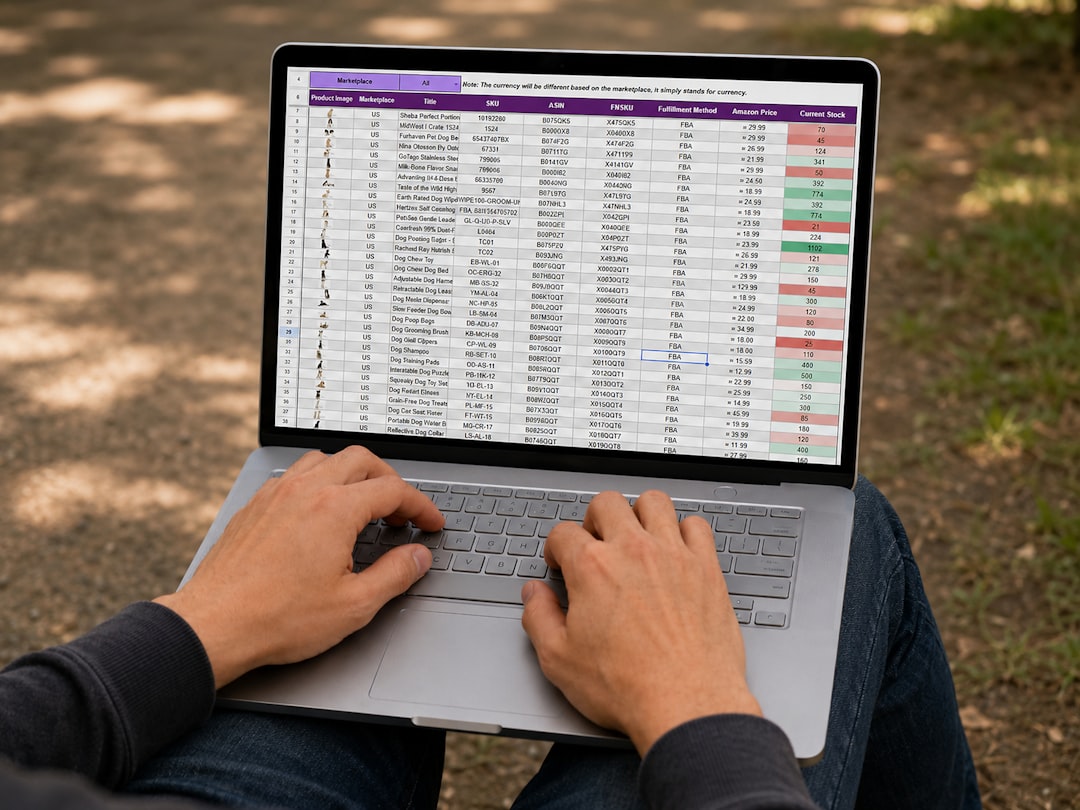
Elastic can be used to build dashboards for login failures, suspicious IPs, privileged user activity, identity provider logs, and authentication anomalies. Its flexibility makes it appealing for organizations with unique environments or teams that prefer to design their own detection logic.
Best for: Technical teams that want customizable dashboards and control over data pipelines.
Watch out for: It may require more hands-on engineering than out-of-the-box identity reporting tools.
How to Choose the Right Platform
The best authentication reporting solution is not always the most feature-rich one. It is the one that answers your most important questions quickly. A Microsoft-heavy company may get excellent value from Entra ID Workbooks, while a mature security operations team may prefer Splunk or Elastic. A SaaS business focused on customer login behavior may benefit more from Auth0 analytics and product-level event tracking.
Before choosing, define your key metrics. Common examples include:
- MFA adoption rate across users, admins, and contractors.
- Failed login rate by application, location, device, and user group.
- Risky sign-ins involving unfamiliar locations, impossible travel, or anonymous IPs.
- Privileged account activity and changes to authentication policies.
- Login experience trends, such as password reset volume or repeated lockouts.
Final Thoughts
Authentication reporting has become a core part of modern security operations. It helps teams detect attacks earlier, improve user experience, validate access policies, and provide clear evidence to auditors. Whether you choose Splunk for investigation depth, Datadog for observability, Entra ID for Microsoft identity, Okta for workforce access, Auth0 for customer identity, Duo for MFA insights, or Elastic for flexibility, the goal is the same: turn login data into decisions.
Start with a small set of high-value dashboards, such as failed logins, MFA coverage, risky sign-ins, and privileged activity. Once those reports are reliable, expand into advanced analytics and automation. The strongest authentication reporting programs are not built overnight, but with the right platform, every login becomes a useful signal.