
Workplace management is the coordinated practice of making a work environment efficient, safe, productive, and supportive for the people who use it. It covers everything from office layouts and technology to employee experience, space planning, facilities, policies, and hybrid work routines. In simple terms, it is about ensuring that the workplace helps people do their best work instead of getting in their way.
TLDR: Workplace management is the process of organizing people, spaces, tools, and operations so work can happen smoothly. It includes facilities management, employee experience, workplace technology, safety, and resource planning. Modern workplace management is especially important because many organizations now combine office, remote, and hybrid work. Done well, it improves productivity, reduces costs, and creates a better daily experience for employees.
Understanding Workplace Management
At its core, workplace management is the art and science of designing and running a work environment that supports business goals and employee needs. It is not limited to keeping an office clean or making sure desks are available. It is a broader discipline that connects physical space, digital systems, human behavior, organizational culture, and operational processes.
A well-managed workplace answers practical questions such as: Do employees have the right tools? Is the office easy to navigate? Are meeting rooms available when needed? Is the environment safe and comfortable? Are remote workers included? Are resources being used wisely? These questions may seem small individually, but together they shape the rhythm of daily work.
Key Areas of Workplace Management
Workplace management can look different depending on the size and type of organization, but most programs include several important areas:
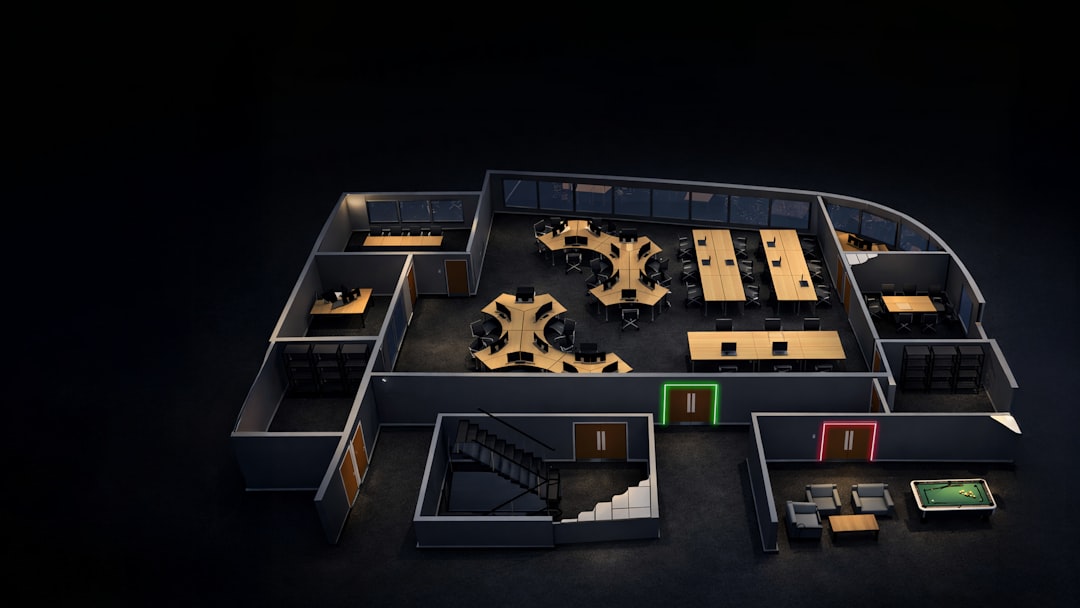
- Space management: Planning how offices, desks, meeting rooms, lounges, and shared spaces are used.
- Facilities management: Maintaining buildings, utilities, furniture, cleaning, repairs, security, and general workplace operations.
- Technology management: Providing systems for communication, room booking, access control, visitor management, and collaboration.
- Employee experience: Creating an environment where people feel supported, comfortable, included, and motivated.
- Health and safety: Ensuring compliance with safety regulations and reducing risks in the workplace.
- Hybrid work coordination: Managing the balance between in-office and remote work, including scheduling and space availability.
These areas are often handled by different teams, including HR, IT, facilities, operations, and leadership. Effective workplace management brings them together so that decisions are not made in isolation.
Why Workplace Management Matters
A workplace is more than a location. It is a system that influences how people think, interact, and perform. When workplace management is poor, employees may waste time searching for meeting rooms, dealing with broken equipment, navigating confusing processes, or feeling disconnected from their teams. These issues can quietly reduce morale and productivity.
On the other hand, a thoughtfully managed workplace can make work feel easier. People know where to go, how to get support, which tools to use, and what expectations apply. The environment becomes a reliable foundation rather than a daily obstacle.
For employers, good workplace management also supports cost control. Office space is expensive, and many companies discover that they are paying for areas that are rarely used. By studying occupancy data and work patterns, organizations can adjust layouts, reduce waste, and invest in spaces that employees actually value.
The Role of Workplace Managers
A workplace manager is responsible for ensuring that the work environment functions well. This role can be highly strategic. Rather than simply responding to problems, workplace managers anticipate needs, analyze data, coordinate vendors, support employees, and recommend improvements.
Their responsibilities may include:
- Overseeing office maintenance, supplies, and service providers.
- Managing workplace technology such as booking platforms and access systems.
- Collecting feedback from employees about workplace needs.
- Planning seating arrangements and space usage.
- Supporting company moves, renovations, or expansions.
- Working with HR and leadership to improve culture and employee experience.
The best workplace managers combine operational skill with empathy. They understand that a workplace is used by real people with different habits, responsibilities, and preferences.

Workplace Management in the Hybrid Era
The rise of hybrid work has changed workplace management dramatically. In the past, many organizations assumed that most employees would be in the office most days. Now, attendance can vary widely by team, day, season, or project. This makes planning more complex.
Hybrid workplace management involves deciding how office space should support activities that benefit most from in-person interaction. For example, employees may come to the office for brainstorming, training, client meetings, social connection, or focused collaboration. Meanwhile, individual tasks may be completed remotely.
This shift has made flexibility essential. Some companies use hot desking, where employees choose available desks instead of having permanent seats. Others create neighborhoods for teams, quiet zones for concentration, and collaborative areas for group work. The goal is not simply to reduce desks, but to make the workplace more adaptable.
Technology and Data in Workplace Management
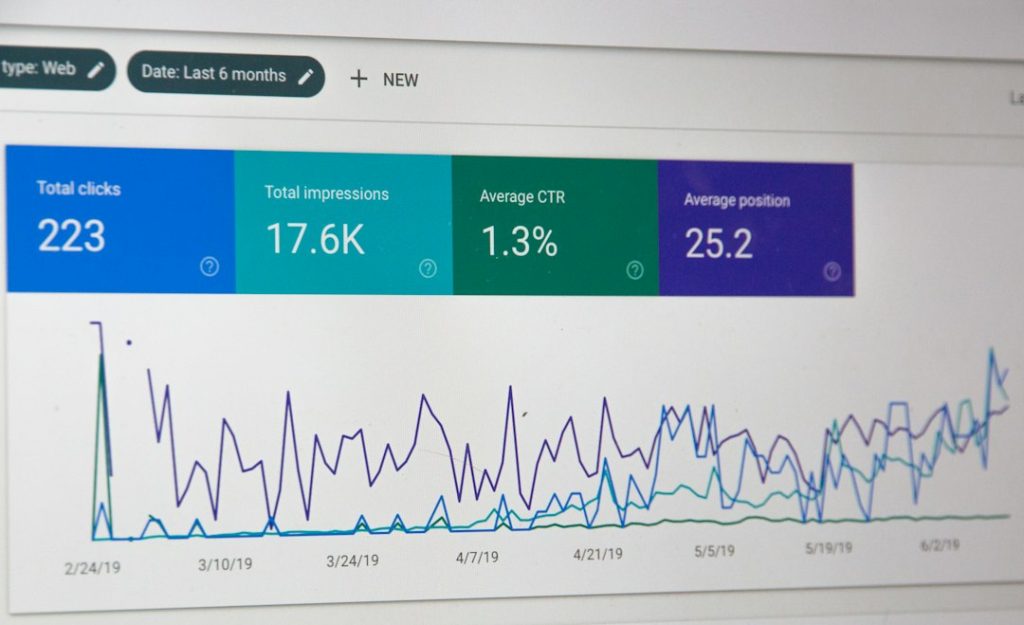
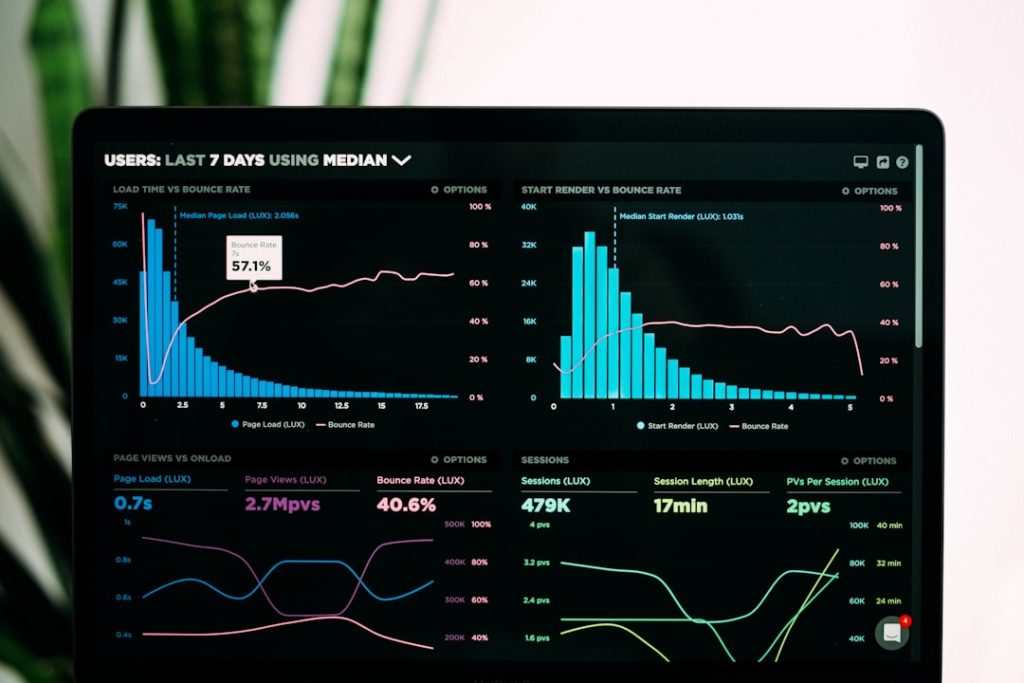
Modern workplace management increasingly relies on technology. Digital tools can help employees reserve desks, book rooms, report maintenance problems, welcome visitors, and find colleagues. They also provide managers with valuable data about how the workplace is being used.
For example, occupancy sensors and booking systems can show whether meeting rooms are overcrowded, underused, or frequently canceled. Employee surveys can reveal whether people feel productive in certain spaces. IT data can highlight whether remote employees have the tools they need.
However, technology should support people, not overwhelm them. A complicated workplace app that nobody wants to use will not solve problems. The most effective systems are simple, reliable, and clearly connected to everyday needs.
Workplace Management and Employee Experience
One of the most important parts of workplace management is employee experience. This refers to how people feel as they move through their workday, from entering the building or logging in remotely to attending meetings, taking breaks, and collaborating with others.
Small details can have a big impact. Natural light, comfortable seating, quiet areas, clear signage, clean kitchens, inclusive restrooms, and dependable Wi-Fi all affect how people experience work. So do social spaces, wellness rooms, and policies that respect different working styles.
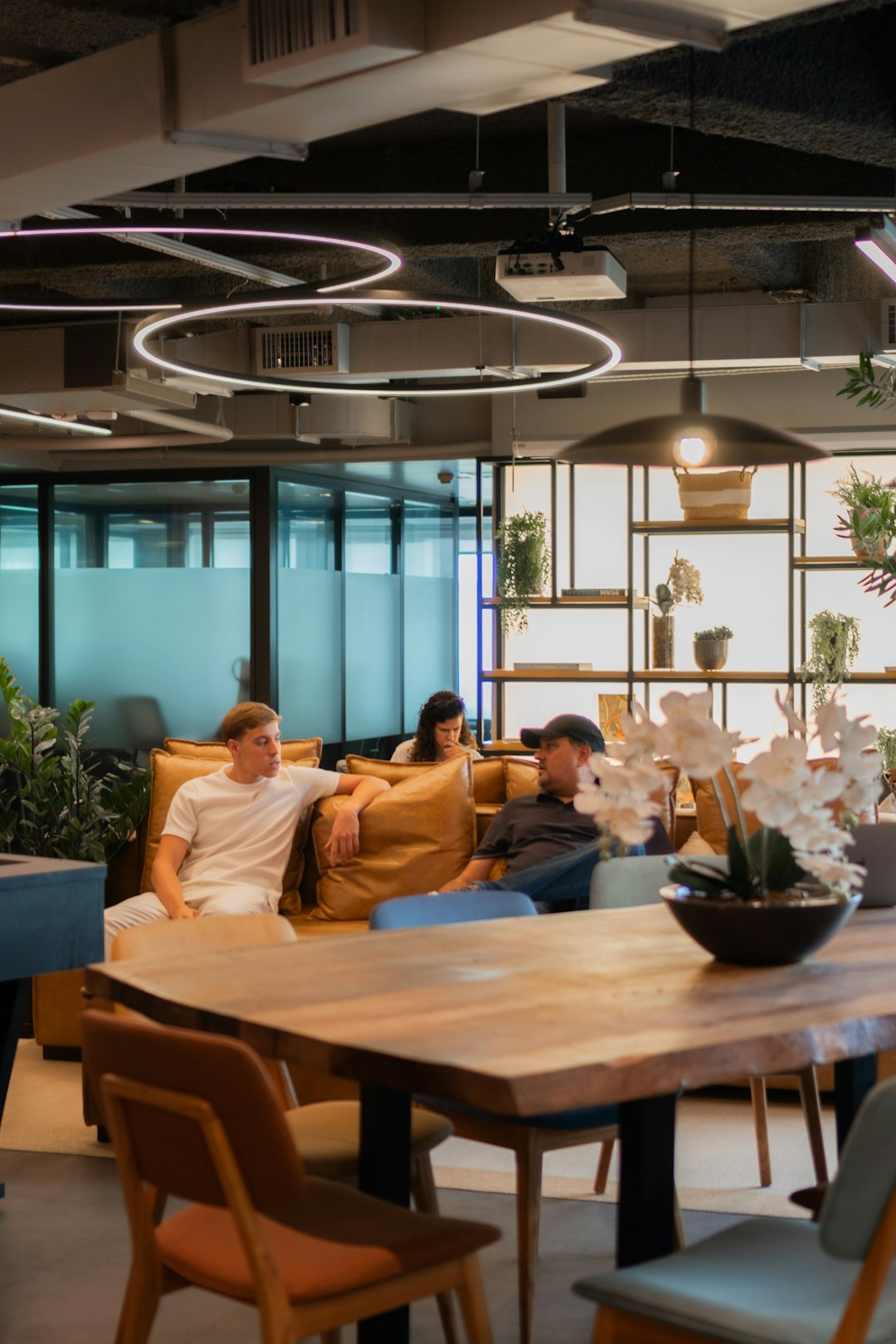
Good workplace management recognizes that productivity is not only about efficiency. It is also about belonging, comfort, and trust. Employees are more likely to do strong work when they feel that their environment has been designed with them in mind.
Common Challenges
Workplace management is not without difficulties. Organizations often face competing priorities: reducing costs while improving experience, increasing collaboration while preserving quiet focus, or standardizing policies while allowing flexibility.
Another challenge is change management. Employees may resist new seating systems, office redesigns, or hybrid schedules if the reasons are not clearly explained. Communication is essential. People need to understand not only what is changing, but why it matters and how it will benefit them.
There is also the challenge of measuring success. A beautiful office does not automatically mean an effective workplace. Managers need to look at practical outcomes such as employee satisfaction, space utilization, maintenance response times, retention, collaboration quality, and productivity indicators.
What Effective Workplace Management Looks Like
An effectively managed workplace usually feels intuitive. Employees can find what they need, spaces match the tasks being performed, technology works smoothly, and support is easy to access. The office does not need to be luxurious; it needs to be purposeful.
Strong workplace management is also continuous. Organizations change, teams grow, technologies evolve, and employee expectations shift. A workplace that worked five years ago may not work today. Regular feedback, observation, and adjustment keep the environment aligned with reality.
Final Thoughts
Workplace management is the practice of turning a work environment into a strategic asset. It blends facilities, technology, culture, safety, planning, and employee experience into one connected approach. Whether a company operates from a traditional office, a hybrid setup, or multiple locations, workplace management helps ensure that people have the right environment to succeed.
Ultimately, a well-managed workplace does more than support daily tasks. It communicates what an organization values. When people feel supported by their surroundings, they are more likely to collaborate, contribute, and thrive.