A VPN router protects every device on your Wi Fi at once. That means phones, laptops, smart TVs, game consoles, baby monitors, and that weird smart bulb that needs an app for some reason. The average U.S. household had 21 connected devices in 2023, so device by device VPN setup can get silly fast [source: Deloitte].
TLDR: A VPN router puts VPN protection on your whole home network instead of one gadget at a time. ExpressVPN is the easier pick if you want a simple router app or a ready made VPN router. NordVPN is great on phones and laptops, but router setup is more manual. For example, if your family has 18 devices, a VPN router can cover all of them with one setup instead of installing 18 separate apps.
So, What Is a VPN Router?
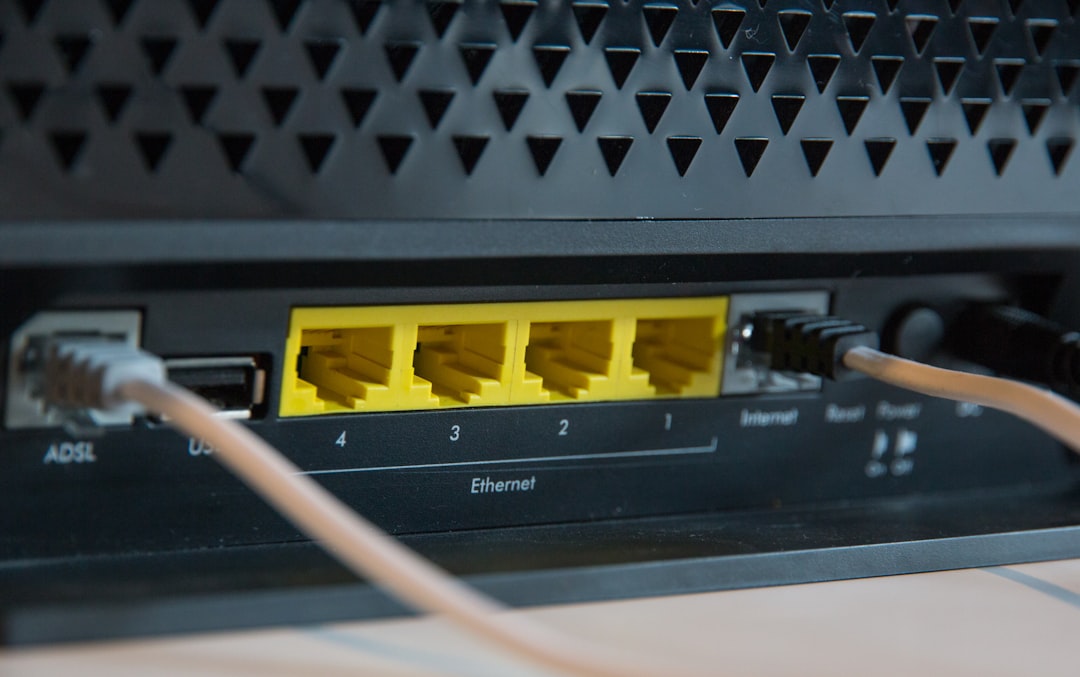
A VPN router is a Wi Fi router that connects to a VPN service. It sends your home internet traffic through an encrypted tunnel.
Simple version? Your router becomes the bouncer at the door. Every device that joins your Wi Fi gets covered.
- Your laptop gets VPN protection.
- Your phone gets VPN protection.
- Your smart TV gets VPN protection.
- Your game console gets VPN protection.
- Your smart fridge can chill in private. Sorry. Had to.
This is handy because many devices do not support VPN apps. Smart TVs are picky. Consoles are awkward. Cheap security cameras are even worse.
How Does It Work?
Normally, your device connects to your router. Then your router connects to your internet provider.
With a VPN router, your router first connects to a VPN server. Then it sends traffic to the web.
Your internet provider can still see that you are online. But it cannot easily see the sites you visit. Websites see the VPN server location instead of your normal IP address.
Think of it like mailing every letter from a private post office. Your home address stays out of sight.
Why Use a VPN Router?
A VPN router makes sense if you want whole home coverage with less fuss.
It is especially useful for families. Kids have tablets. Parents have work laptops. Guests ask for Wi Fi before they say hello. Everything wants internet now.
Here is what you get:
- One setup for many devices.
- Protection for devices without VPN apps.
- Location control for streaming boxes and TVs.
- Always on privacy for your home network.
- Less app clutter on each device.
Honestly, it feels like every smart device comes with a privacy problem and a tiny setup screen from 2009. A VPN router helps clean up that mess.
The Catch With VPN Routers
Yes, there is a catch. There is always a catch.
A VPN router can slow your internet. Encryption takes work. Distance to the VPN server also matters.
You may also have to touch router settings. That can be annoying. Some router admin pages look like they were built during the dinosaur age.
Also, not every router supports VPN use. Your internet provider’s basic router may not work. You might need a supported router or custom firmware.
ExpressVPN for Routers
ExpressVPN is the easier option for most homes. Its big win is simplicity.
ExpressVPN offers a dedicated router app for supported routers. It also sells Aircove, a Wi Fi 6 router with ExpressVPN built in. That is great if you want fewer tech headaches [source: ExpressVPN].
The router app lets you manage devices in groups. One group can use a U.S. server. Another can use a U.K. server. Another can skip the VPN.
That is useful. Your work laptop may need a local connection. Your streaming box may need another country. Your smart speaker may not need a VPN at all.
Best ExpressVPN router perks:
- Very easy router setup compared with most VPNs.
- Good app design.
- Device groups are simple and useful.
- Aircove is made for people who hate router menus.
- Strong speeds for a router VPN.
The downside? ExpressVPN often costs more than NordVPN. If price is your main worry, that can sting.
NordVPN for Routers
NordVPN is powerful, but less friendly on routers. It shines on phones, laptops, and desktops. On routers, it takes more work.
NordVPN supports manual router setup on many models. It also has guides for different router brands [source: NordVPN].
But the setup is not as smooth as ExpressVPN’s router app. Expect to spend 15 to 30 minutes on it if you are new. Maybe more if your router menu hides settings in strange places. It drives me crazy that one wrong dropdown can turn a simple job into a tiny tech quest.
NordVPN’s fastest protocol is NordLynx, based on WireGuard. But many router setups use OpenVPN instead. OpenVPN is solid, but it may be slower on routers.
Best NordVPN router perks:
- Usually cheaper than ExpressVPN.
- Strong privacy tools.
- Good server network.
- Great apps for individual devices.
- Good choice if you like manual setup.
The downside is clear. Router use feels less polished.
Image not found in postmetaExpressVPN vs NordVPN: Quick Home Network Matchup
| Feature | ExpressVPN | NordVPN |
|---|---|---|
| Ease on routers | Excellent | Good, but manual |
| Best for beginners | Yes | Not as much |
| Ready made router option | Aircove | No direct equivalent |
| Price | Higher | Often lower |
| Device grouping | Very simple | Depends on router |
Which One Should You Pick?
Pick ExpressVPN if you want the easy button.
It is better for homes with many devices. It is also better for people who do not want to fight router settings on a Saturday morning.
Pick NordVPN if you want lower pricing and do not mind manual setup.
It is also a smart pick if you mostly use VPN apps on your phone and laptop, but want router coverage as a bonus.
If your main goal is protecting the whole home network, ExpressVPN has the cleaner setup. If your main goal is value across personal devices, NordVPN is tough to beat.
A Simple User Scenario
Meet Sam. Sam has two phones, two laptops, three tablets, one smart TV, one Xbox, two security cameras, and a printer that acts haunted.
That is 12 devices. Installing apps on each one is not fun. Some cannot run a VPN app anyway.
With ExpressVPN on a router, Sam can protect all 12 devices from one dashboard. With NordVPN, Sam can still do it, but setup takes more patience.

Final Verdict
A VPN router is a smart way to protect your whole home network. It keeps privacy simple. It also covers devices that normal VPN apps miss.
ExpressVPN is the best choice for router protection if you want comfort, speed, and simple controls. NordVPN is the better budget pick if you are fine with manual setup.
For most homes, ExpressVPN wins this specific fight. NordVPN is still excellent. It just makes you do more of the router work yourself.