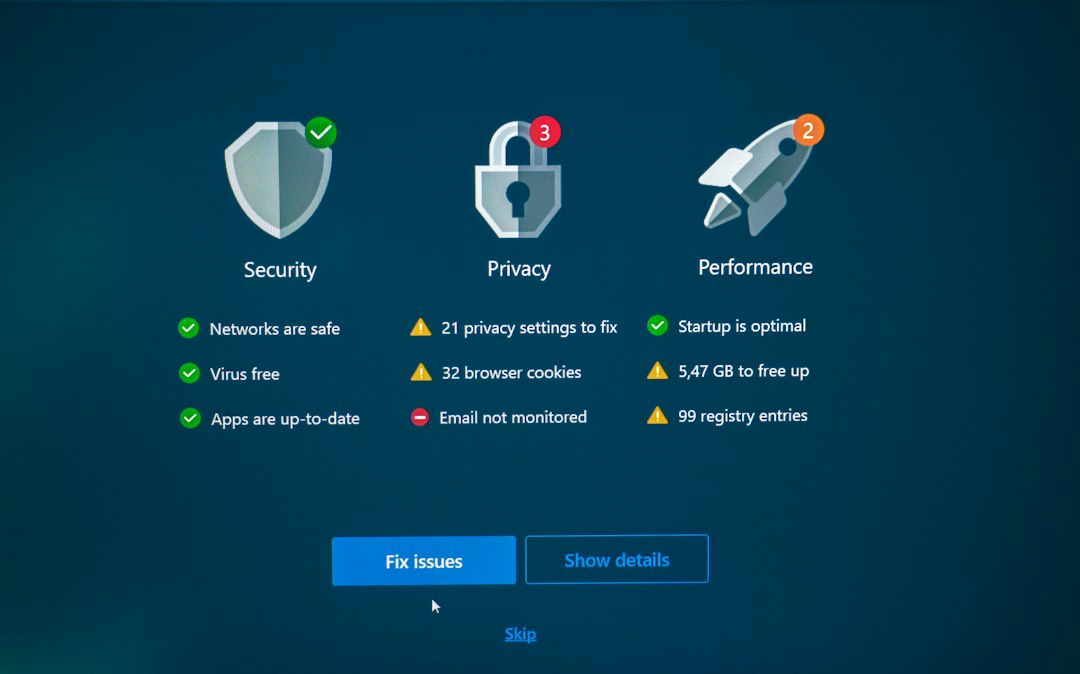

Use policy frameworks to decide what “secure” means, then use CSPM to catch cloud mistakes before they become expensive fires. That is the simple version. A cloud security policy framework is your rulebook. CSPM, or Cloud Security Posture Management, is the tool that checks if your cloud setup is breaking those rules.
TLDR: Frameworks tell you what good security should look like. CSPM tools scan AWS, Azure, Google Cloud, and other services to find risky settings, such as public storage buckets or weak IAM roles. For example, a 200-person SaaS company might reduce critical cloud misconfigurations by 60% in three months by mapping CIS controls to CSPM alerts. Use both if you can, but do not treat a tool as a policy.
Frameworks vs CSPM: The Easy Pizza Version
Think of cloud security like running a pizza shop.
- A security framework is the recipe book.
- A cloud security policy is your house rule list.
- CSPM is the grumpy kitchen inspector.
- Governance is the manager who makes sure people follow the rules.
The recipe book says, “Store food safely.” Your rule says, “Cheese must stay below 40°F.” The inspector checks the fridge. The manager asks, “Why did Kevin leave the fridge open again?”
Cloud security works the same way. Less cheese. More buckets.

What Is a Cloud Security Policy Framework?
A cloud security policy framework is a structured set of security controls. It helps teams write policies that make sense. It gives order to the chaos.
Popular frameworks include:
- NIST Cybersecurity Framework: Great for risk management.
- ISO 27001: Common for audits and enterprise trust.
- CIS Controls and CIS Benchmarks: Very practical for cloud settings.
- CSA Cloud Controls Matrix: Built for cloud security programs.
- SOC 2: Often needed by SaaS companies.
- PCI DSS: Needed if you handle payment card data.
These frameworks do not usually fix anything by themselves. They guide decisions. They help you say, “This is our standard.”
A good cloud policy might include rules for:
- Identity and access management.
- Data encryption.
- Network exposure.
- Logging and monitoring.
- Backup and recovery.
- Incident response.
- Developer access.
- Approved cloud services.
Frameworks are calm. Tools are noisy. You need both moods.
What Is CSPM?
CSPM stands for Cloud Security Posture Management. It scans cloud environments for risky settings. It checks things like:
- Public storage buckets.
- Open databases.
- Overpowered admin accounts.
- Missing encryption.
- Disabled logging.
- Security groups open to the internet.
- Old keys and secrets.
- Resources that do not match policy.
CSPM is useful because cloud changes fast. A developer can spin up a server in two minutes. That server can also be wrong in two minutes.
The catch is that CSPM tools can scream a lot. You may get 1,200 alerts on day one. Some matter. Some are harmless. Some make you wonder if the tool was raised by wolves.
The Big Difference
Here is the clean split.
| Area | Framework | CSPM |
|---|---|---|
| Purpose | Defines security goals | Finds cloud misconfigurations |
| Type | Guidance and controls | Software tool |
| Best for | Policy, audits, planning | Detection, alerts, reporting |
| Output | Rules and requirements | Findings and risk scores |
| Weak spot | Can be too broad | Can create alert fatigue |
A framework says, “Use least privilege.” A CSPM says, “This role has admin access and was last used 143 days ago.” That second sentence is where work starts.
Why Policies Fail Without Tools
Many teams write lovely cloud policies. Then they put them in a shared folder. Then everyone forgets they exist.
That is not governance. That is digital compost.
A cloud policy must be tied to checks. Otherwise, it is just a PDF with dreams. CSPM helps here. It turns policy into visible problems.
For example, your policy says all storage must be private. CSPM finds three public buckets. One is for marketing files. One is for logs. One contains customer exports. Guess which one ruins your week?
Honestly, it feels like some dashboards hide the useful button just to test your patience. You click through five screens, wait 8 seconds for the filter to load, and still cannot tell who owns the asset. That is why process matters too.
Why Tools Fail Without Policy
Now flip the problem.
If you buy CSPM without a policy, you get noise. The tool flags everything. Nobody knows what matters. Engineers argue with security. Security argues with compliance. Someone says, “Can we just accept the risk?” Nobody knows who can say yes.
A policy gives the tool a brain. It defines:
- What risks are critical.
- Who owns each cloud account.
- How fast issues must be fixed.
- Which exceptions are allowed.
- Who approves exceptions.
- What evidence auditors need.
For example:
- Critical issue: Public database with customer data.
- Fix time: 24 hours.
- Owner: Application team.
- Escalation: Security director after 12 hours.
Simple. Boring. Very useful.
Governance Alternatives to CSPM
CSPM is not the only option. It is just one tool in the box. Some teams need lighter controls. Some need stricter ones.
1. Cloud Native Security Tools
AWS, Azure, and Google Cloud all offer built-in security services. These can check configurations, identity risks, logs, and threat signals.
They are often cheaper to start with. They also fit well inside one cloud provider. The downside is clear. Multi-cloud reporting can get messy fast.
2. Policy as Code
Policy as code uses tools like Open Policy Agent, Terraform checks, or CI/CD rules. It checks cloud changes before they go live.
This is like stopping a bad pizza before it leaves the oven.
Use it to block:
- Public IPs on sensitive systems.
- Unencrypted databases.
- Overly broad IAM policies.
- Unapproved regions.
This reduces cleanup work later. Developers also get faster feedback.
3. Infrastructure as Code Scanning
If you use Terraform, CloudFormation, Pulumi, or Bicep, scan the code. Do it before deployment.
This catches bad settings early. It also creates a record of who changed what. Auditors like that. So do tired security teams.

4. CNAPP Platforms
CNAPP means Cloud Native Application Protection Platform. It often combines CSPM, workload protection, identity checks, container security, and code scanning.
This can be powerful. It can also be big, pricey, and a bit much for small teams. Do not buy a spaceship if you need a bicycle.
5. Manual Governance Boards
Yes, meetings. Sorry.
A governance board reviews exceptions, risky projects, and policy changes. This works well for banks, healthcare, and large firms. It works poorly if every tiny firewall change needs a 12-person meeting.
Use meetings for high-risk choices. Use automation for repeat checks.
How to Pick the Right Mix
Start with your risk. Not with the fanciest tool demo.
- Small startup: Use CIS Benchmarks, cloud native tools, and basic IaC scanning.
- Growing SaaS firm: Add CSPM and map alerts to SOC 2 or ISO 27001.
- Enterprise: Use a formal framework, CSPM, policy as code, and exception workflows.
- Regulated company: Add audit evidence, ownership tracking, and strict fix deadlines.
A smart setup looks like this:
- Pick a framework.
- Write short cloud policies.
- Map each policy to technical checks.
- Use CSPM or native tools to scan.
- Assign owners.
- Track fix times.
- Review exceptions every month.
The Best Answer Is Usually “Both”
Frameworks and CSPM are not enemies. They are a buddy cop movie. One is calm and organized. The other kicks down doors and points at exposed databases.
Use frameworks to decide what matters. Use CSPM to find what is broken. Use governance to make sure someone fixes it.
If you only have policy, you get pretty documents. If you only have CSPM, you get noisy alerts. If you combine both, you get control, proof, and fewer ugly surprises at 2 a.m.