
For many nonprofits, peer to peer fundraising is no longer a side activity. It is a central part of how organizations acquire donors, deepen community relationships, and turn supporters into active advocates. TeamRaiser, a peer to peer fundraising platform within the Blackbaud ecosystem, is commonly used by nonprofits that run walks, rides, runs, endurance events, tribute campaigns, challenge campaigns, and team based fundraising programs.
TLDR: TeamRaiser helps nonprofits manage peer to peer fundraising by giving supporters the tools to create personal and team fundraising pages, recruit donors, and track progress. Organizations use it successfully when they combine strong campaign planning, clear messaging, donor data management, and consistent participant coaching. The best results come from treating TeamRaiser not as a simple donation page, but as a structured fundraising system that supports engagement before, during, and after a campaign.
What TeamRaiser Is
TeamRaiser is a platform designed to help nonprofits run peer to peer fundraising campaigns. In this model, the nonprofit does not rely only on direct appeals from the organization. Instead, supporters create their own fundraising pages and ask their personal networks to give. Those supporters may participate as individuals, join teams, form teams, or fundraise in connection with an event.
The platform is often used for campaigns such as:
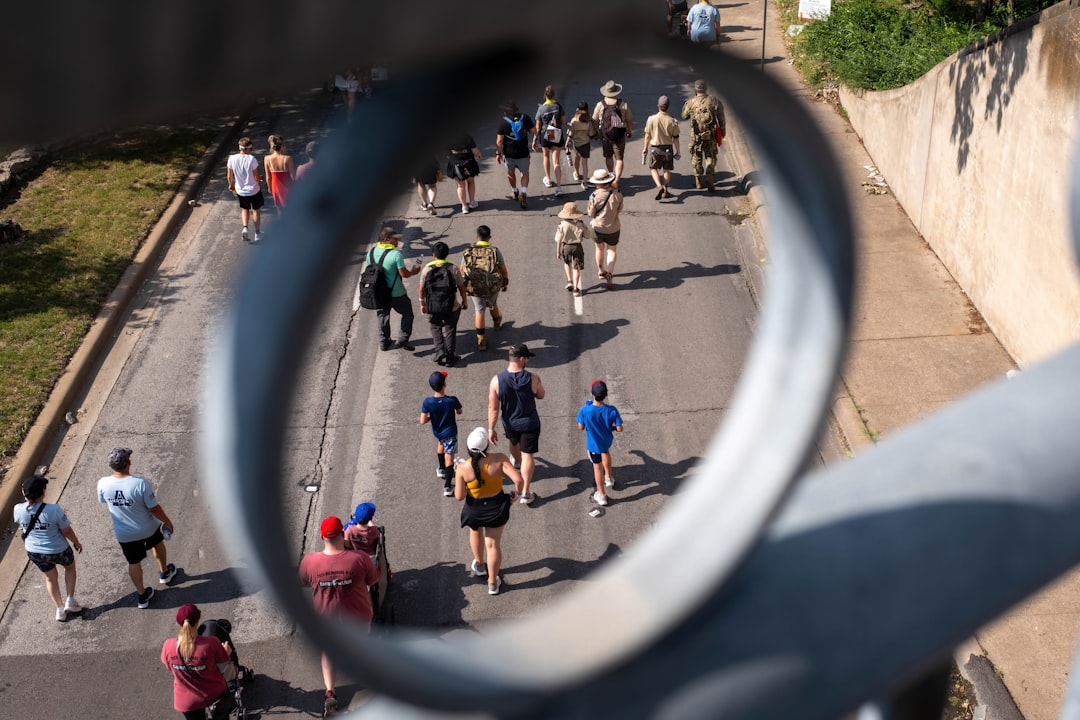
- Walks and runs supporting health, research, education, or community services
- Cycling events and endurance challenges
- Virtual fundraising campaigns where participants raise money from anywhere
- Memorial or tribute campaigns connected to personal stories
- School, corporate, or community team fundraising
- Annual signature events that return year after year
At its core, TeamRaiser provides tools for registration, participant fundraising pages, team pages, donation processing, campaign reporting, email communication, and progress tracking. For nonprofits that already use Blackbaud solutions, it can also support a broader approach to donor records and relationship management.
Why Nonprofits Use TeamRaiser
Nonprofits use TeamRaiser because peer to peer fundraising can expand reach in a way that staff led fundraising alone often cannot. When a supporter shares a personal fundraising page, the appeal comes from someone the donor already knows. That personal connection can make the request more persuasive and more emotionally relevant.
For example, a medical research organization may have participants who fundraise in honor of a family member. An animal welfare group may have volunteers raise money through local community teams. A youth services nonprofit may invite board members, alumni, and parents to create fundraising pages. In each case, the organization benefits from the networks and credibility of its supporters.
TeamRaiser supports this process by giving nonprofits a controlled framework. The organization can provide approved language, branding, donation forms, fundraising goals, and email templates while still allowing participants to personalize their pages. This balance is important. It helps preserve the nonprofit’s message while giving supporters enough flexibility to tell their own stories.
Key Features That Matter Most
Although the exact configuration may vary from one organization to another, several TeamRaiser capabilities are especially important for successful campaigns.
1. Personal Fundraising Pages
Participants can create individual pages that explain why they are raising money. These pages typically include a fundraising goal, donation button, progress meter, personal message, and sometimes photos or updates. A strong personal page can be the difference between passive participation and meaningful fundraising activity.
2. Team Fundraising
Team pages allow groups to raise money together. This is valuable for families, companies, schools, clubs, faith communities, or departments within an organization. Team based fundraising can create friendly competition and a sense of shared responsibility.
3. Event Registration
For campaigns connected to physical or virtual events, registration tools help nonprofits collect participant information, manage fees if applicable, and organize event categories. This can include individual registration, team registration, ticket options, or event specific questions.
4. Donation Processing
TeamRaiser allows donors to give directly to a participant, team, or campaign. The donation process is critical because a confusing or slow form can reduce conversion. Successful nonprofits pay close attention to donation form design, suggested gift amounts, receipt language, and mobile usability.
5. Email and Participant Coaching
Peer to peer campaigns require ongoing communication. Participants often need reminders, sample messages, fundraising tips, and encouragement. TeamRaiser can support email outreach that helps participants ask for donations, thank donors, recruit teammates, and stay motivated.
6. Reporting and Progress Tracking
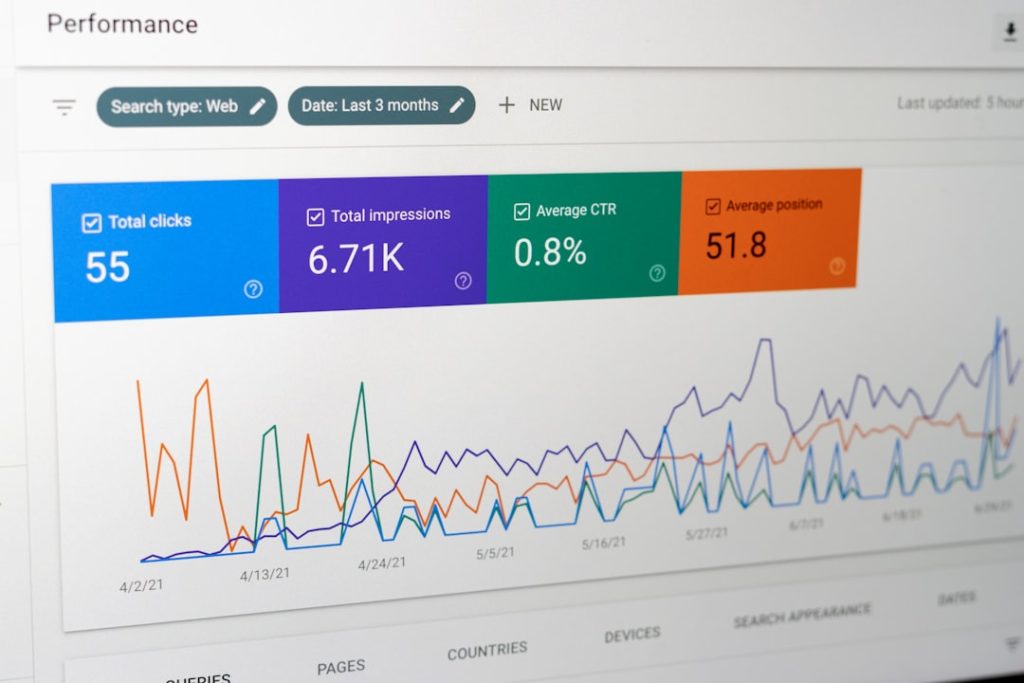
Fundraising teams need timely data. TeamRaiser reporting can help staff see who has registered, who has raised money, which teams are performing well, where donations are coming from, and which participants may need support. This information helps organizations make better decisions during the campaign, not only after it ends.
How Nonprofits Use TeamRaiser Successfully
Successful use of TeamRaiser depends less on simply having the software and more on how carefully the nonprofit plans and manages the campaign. The platform can provide the structure, but the organization must provide the strategy.
Start With a Clear Campaign Goal
Before building pages or opening registration, nonprofits should define what success means. This includes more than a total dollar goal. A serious campaign plan should identify:
- The total revenue goal
- The expected number of participants
- The expected number of teams
- Average fundraising per participant
- New donor acquisition goals
- Participant retention goals from previous years
- Event attendance goals, if relevant
These numbers help determine how the campaign should be structured. For example, if the organization needs to raise $250,000 and expects 500 participants, the average participant must raise $500. That insight affects coaching, suggested goals, recognition levels, and communication frequency.
Build a Strong Participant Experience
Participants are not just users of the platform. They are volunteer fundraisers. Their experience directly affects campaign results. If registration is confusing, pages are difficult to update, or instructions are unclear, many people will simply stop engaging.
Organizations that use TeamRaiser well often test the participant journey before launch. Staff may register as a participant, create a team, make a test donation, send a fundraising email, and review the receipt process. This practical testing can reveal problems that would otherwise frustrate supporters.
A good participant experience is simple, clear, and encouraging. Supporters should understand what to do next at every stage: register, personalize the page, make the first donation, invite others, thank donors, and continue fundraising.
Use Messaging That Connects Fundraising to Mission
Peer to peer fundraising works best when supporters can clearly explain why the campaign matters. Nonprofits should provide concise, emotionally credible language that connects donations to real impact. Vague statements such as “support our cause” are less effective than specific outcomes.
For example:
- Less effective: “Please donate to help our organization.”
- More effective: “A gift of $50 helps provide emergency meals for a family facing a crisis.”
TeamRaiser pages, emails, receipts, and thank you messages should consistently reinforce the mission. Participants should also be encouraged to add their own personal reason for fundraising. The combination of organizational credibility and personal motivation can be very powerful.
Coach Participants Throughout the Campaign
Many participants want to help but do not know how to fundraise. They may feel uncomfortable asking for money or unsure what to say. Nonprofits that succeed with TeamRaiser do not assume that registration automatically leads to fundraising. They coach participants actively.
Useful coaching tactics include:
- Sending a welcome email with three immediate steps
- Encouraging participants to make the first gift to their own page
- Providing sample social media posts and email templates
- Recognizing participants who reach milestones
- Offering tips for asking friends, family, coworkers, and local businesses
- Reminding participants to thank donors promptly
These communications should be practical and respectful. The tone should make fundraising feel manageable, not burdensome. A participant who raises $100 this year may become a team captain who raises $5,000 in the future if the experience is positive.
Pay Attention to Team Captains
Team captains are often the most important participants in a TeamRaiser campaign. They recruit others, set the tone, encourage fundraising, and often bring energy to events. A strong team captain can produce results far beyond what one individual fundraiser can do alone.
Nonprofits should consider giving team captains extra support, such as:
- Early access to registration
- Special kickoff calls or webinars
- Team captain toolkits
- Recruitment templates
- Progress reports on their team members
- Recognition on the campaign website or at the event
This targeted attention helps captains feel valued and equipped. It also improves the chances that they will return in future years.
Data and Follow Up Are Essential
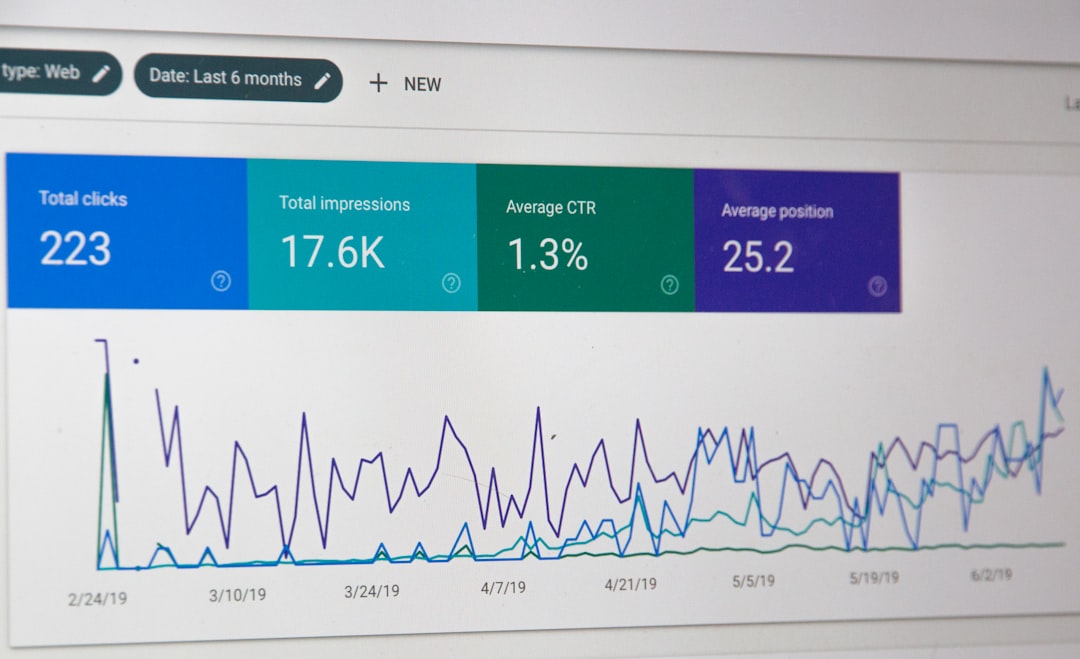
One of the most important benefits of a structured platform like TeamRaiser is data. Nonprofits can see not only how much was raised, but also who participated, who donated, which messages worked, and which relationships should be cultivated after the campaign.
After a campaign ends, organizations should review performance carefully. Important questions include:
- Which participants raised the most money?
- Which teams recruited the most members?
- How many donors were new to the organization?
- What was the average gift size?
- Which emails or campaign moments produced donation spikes?
- How many participants from last year returned?
- Which donors should receive personal follow up?
This review supports better planning for the next campaign. It also helps development staff identify potential major donors, corporate partners, volunteers, board prospects, and long term advocates.
Follow up should not be limited to a tax receipt. Donors and participants should be thanked, informed of results, and shown the impact of their support. A campaign wrap up email, impact report, personal phone call, or thank you video can help convert one time donors into ongoing supporters.
Common Mistakes to Avoid
TeamRaiser can be highly effective, but it is not automatic. Nonprofits sometimes underperform because they treat the platform as a technical setup rather than a fundraising program. Common mistakes include:
- Launching without a recruitment plan: A campaign needs participants before it can generate donations.
- Using generic messaging: Supporters need clear language that explains the impact of giving.
- Failing to coach participants: Many people will not fundraise unless they receive guidance and reminders.
- Ignoring mobile experience: Many donors give from phones, so forms and pages must be easy to use on smaller screens.
- Waiting until the end to review data: Mid campaign reporting allows staff to adjust strategy while there is still time.
- Neglecting stewardship: Donors acquired through peer to peer campaigns need thoughtful follow up if they are to remain connected.
Best Practices for Long Term Success
Organizations that use TeamRaiser successfully tend to improve year after year. They document what works, refine their communications, retain team captains, and use data to strengthen future campaigns. They also understand that peer to peer fundraising is relationship based. The technology makes participation easier, but trust and commitment are built through consistent human engagement.
Several best practices are especially important:
- Plan early. Give staff enough time to configure the campaign, recruit leaders, test pages, and prepare communications.
- Segment communications. New participants, returning participants, team captains, donors, and top fundraisers should not always receive the same messages.
- Celebrate progress publicly. Recognition motivates participants and reinforces momentum.
- Make impact visible. Show what donations accomplish in concrete terms.
- Protect data quality. Accurate records help with stewardship, reporting, and future fundraising.
- Evaluate honestly. After the campaign, review both successes and weaknesses.
Conclusion
TeamRaiser is best understood as a comprehensive peer to peer fundraising system, not merely a campaign webpage. It gives nonprofits the tools to organize participants, teams, donations, communications, and reporting around a shared fundraising goal. When implemented thoughtfully, it can help organizations reach new donors, increase community engagement, and build a stronger base of supporters.
The nonprofits that succeed with TeamRaiser are usually those that combine technology with disciplined fundraising practice. They set clear goals, support participants, communicate mission impact, monitor data, and follow up with gratitude. In that sense, TeamRaiser is most powerful when it is used not as a substitute for relationship building, but as a framework that helps more people take part in the mission.