
Comparison content is one of the most commercially valuable SEO assets a B2B or SaaS website can publish. Buyers rarely move from awareness to purchase without comparing options, checking third-party sentiment, and validating whether a vendor is credible. The question is not whether comparison pages work, but which type of comparison content performs best: reviews pages, alternatives pages, or competitors pages.
TLDR: Alternatives pages usually perform best for organic traffic, competitors pages often perform best for conversions, and reviews pages strengthen trust when supported by authentic evidence. For example, a SaaS company targeting “best project management tool alternatives” might see 40% more organic sessions from alternatives content, while a “Tool A vs Tool B” page may convert 2.5 times better because the visitor is closer to purchase. The strongest SEO strategy typically uses all three page types, mapped to different search intents and funnel stages.
Understanding the Three Page Types
Although reviews, alternatives, and competitors pages may seem similar, they serve different search intents. Treating them as interchangeable is a common SEO mistake.
- Reviews pages target users looking for proof, validation, and user experience signals. Example queries include “Product X reviews” or “is Product X worth it.”
- Alternatives pages target users who are dissatisfied, undecided, or researching multiple options. Example queries include “Product X alternatives” or “best alternatives to Product X.”
- Competitors pages target direct comparison intent. Example queries include “Product X vs Product Y” or “Product X competitor comparison.”
Each format can rank, but each requires a different content structure, evidence standard, and conversion approach.
Reviews Pages: Strong Trust Signals, But Limited Control
Reviews pages work best when the searcher is trying to reduce risk. They want to know whether a product is reliable, whether customers are satisfied, and what problems commonly appear after purchase. From an SEO perspective, reviews pages can capture valuable long-tail traffic, especially around branded queries.
However, reviews content has two challenges. First, users often expect independent sources. A company-hosted reviews page can rank, but it must work harder to appear objective. Second, search engines are increasingly careful about review markup, self-serving ratings, and thin testimonial content.
A trustworthy reviews page should include:
- Verified customer quotes with context such as role, industry, or company size.
- Balanced feedback, including common limitations or best-fit use cases.
- Specific outcomes, such as “reduced onboarding time by 28%” rather than vague praise.
- Clear methodology explaining how reviews were collected and moderated.
In terms of SEO performance, reviews pages are usually not the highest traffic drivers unless the brand already has strong search demand. Their value is more strategic: they support conversion, reinforce credibility, and improve internal linking to product, pricing, and comparison pages.

Alternatives Pages: Often the Best for Organic Reach
Alternatives pages often perform best for SEO because they match a high-volume, high-intent search pattern. When users search for “alternatives,” they are not casually browsing. They are actively evaluating replacement options or building a shortlist.
This type of content can attract users who may not know your brand yet. For example, if your company competes with a larger market leader, ranking for “Market Leader alternatives” can introduce your product at exactly the moment a buyer is questioning the incumbent solution.
Alternatives pages also allow broader keyword coverage. A single page can rank for variations such as:
- “best alternatives to [brand]”
- “free alternatives to [brand]”
- “cheaper alternatives to [brand]”
- “open source alternatives to [brand]”
- “enterprise alternatives to [brand]”
To perform well, an alternatives page must be genuinely useful. A weak page that simply lists your product as “better” than every other option will not build trust. Strong alternatives pages compare categories, pricing models, ideal users, integrations, limitations, and support levels.
Best use case: alternatives pages are ideal for capturing upper-middle funnel traffic. Users are problem-aware and vendor-aware, but they have not necessarily chosen a final solution. This gives your brand room to educate and influence the shortlist.
Competitors Pages: Lower Volume, Higher Purchase Intent
Competitors pages usually target direct “vs” searches. These pages may receive less traffic than alternatives pages, but the traffic is often more qualified. Someone searching “Product A vs Product B” is usually close to making a decision.
For SEO, competitors pages can be extremely efficient. If an alternatives page brings 5,000 visits per month with a 1% demo conversion rate, and a competitor comparison page brings 1,200 visits with a 3.5% demo conversion rate, the competitor page may produce almost the same number of leads from far less traffic.
The risk is tone. Competitor pages that attack rivals or misrepresent features can damage trust and create legal or reputational problems. A serious comparison page should be factual, current, and transparent about where each solution fits best.
High-performing competitor pages often include:
- A comparison table showing major criteria such as pricing, integrations, security, scalability, and support.
- Use case guidance explaining which product is better for which type of buyer.
- Evidence, including documentation, public pricing, feature pages, or verified user feedback.
- A clear call to action for users ready to book a demo, start a trial, or view pricing.
Which Type Performs Best for SEO?
The most accurate answer is: it depends on the metric. If “best” means organic traffic, alternatives pages often win. If “best” means conversion rate, competitors pages frequently perform better. If “best” means trust and sales enablement, reviews pages are essential.
Here is a practical breakdown:
- Highest traffic potential: alternatives pages, because they capture broad category and replacement searches.
- Highest conversion intent: competitors pages, because users are comparing named vendors.
- Strongest credibility support: reviews pages, because they reduce perceived purchase risk.
- Best internal linking value: alternatives and competitors pages, because they can connect product, pricing, demo, and case study pages.
- Most sensitive to trust issues: reviews pages, especially if testimonials appear selective or unverifiable.
A mature SEO program should not choose only one. Instead, it should create a content architecture where each page type supports the others.
Recommended SEO Structure
A strong comparison content strategy might look like this:
- One main alternatives hub targeting “best alternatives to [major competitor].”
- Several individual competitor pages targeting “[your product] vs [competitor]” and “[competitor] vs [your product].”
- A reviews page featuring customer proof, ratings, case study links, and practical objections.
- Supporting blog content around pricing, migration, implementation, and feature-specific comparisons.
This structure helps search engines understand topical authority. It also gives users a logical path: discover alternatives, compare specific vendors, validate with reviews, and then convert.

How to Measure Performance
Judging comparison content by traffic alone is misleading. These pages should be measured across the full funnel.
Important metrics include:
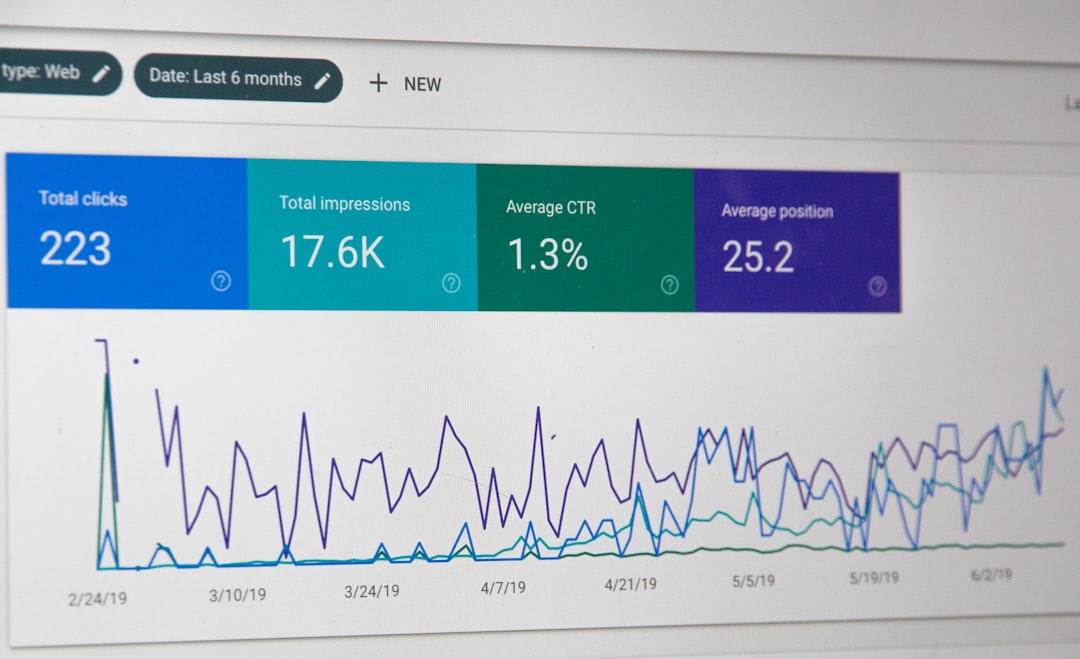
- Organic impressions for branded and non-branded comparison keywords.
- Click-through rate, especially from titles that clearly match search intent.
- Engagement rate, including scroll depth and time on page.
- Assisted conversions, because users may return later through direct or paid channels.
- Demo, trial, or contact form conversion rate by page type.
For instance, an alternatives page may generate 10,000 monthly visits and 90 assisted conversions, while a competitor page generates only 2,000 visits but 70 direct conversions. Both are valuable, but they play different roles.
Final Verdict
Alternatives pages usually perform best for SEO visibility. They attract broader search demand and introduce your brand to buyers who are actively exploring options. Competitors pages tend to perform best for bottom-funnel conversion because they capture direct vendor comparison intent. Reviews pages are best for trust, especially when they include verified, balanced, and specific customer evidence.
The best strategy is not to pick one format and ignore the others. Build alternatives pages to capture demand, competitors pages to convert high-intent visitors, and reviews pages to support credibility. When these assets are connected through clear internal links and honest positioning, comparison content can become one of the most reliable SEO growth channels for serious businesses.