
CMA CGM has built its reputation around global reach, operational reliability, and tailored logistics solutions for shippers across industries. Its customer success stories often center on companies that needed more than port-to-port transportation: they needed supply chain visibility, temperature control, decarbonization options, multimodal coverage, and support during market disruption. The following article highlights several representative CMA CGM customer success stories and case study themes, showing how the group helps businesses move goods more efficiently, securely, and sustainably.
TLDR: CMA CGM customer success stories typically show how global shippers improve reliability, visibility, and resilience through integrated ocean, inland, air, and logistics services. Its strongest case studies involve refrigerated cargo, retail peak-season planning, automotive supply chains, e-commerce fulfillment, and lower-carbon shipping solutions. By combining digital tools, a large maritime network, intermodal services, and value-added logistics, CMA CGM helps customers reduce risk and improve supply chain performance.

1. Retail Peak-Season Success: Keeping Shelves Stocked During Demand Surges
One of the most common CMA CGM success story categories involves large retail and consumer goods companies preparing for seasonal spikes. Retailers that depend on imports from Asia, Europe, and the Americas often face intense pressure before holidays, promotional campaigns, and back-to-school periods. A missed sailing or delayed inland handoff can lead to empty shelves, missed sales, and increased costs.
In a typical retail case study, CMA CGM supports the customer through advanced planning, guaranteed space options, flexible routing, and inland transport coordination. Instead of treating ocean freight as a stand-alone service, the group helps create an end-to-end flow from origin factories to destination distribution centers.
- Challenge: The retailer needed reliable capacity during peak season and faster recovery when congestion affected key ports.
- Solution: CMA CGM offered schedule planning, alternate port options, tracking tools, and coordinated inland delivery.
- Result: The retailer improved shipment predictability, reduced emergency freight decisions, and maintained better inventory availability.
This kind of success story demonstrates CMA CGM’s ability to combine global vessel capacity with local logistics expertise. For retail customers, the value is not only in moving containers; it is in protecting revenue during the most commercially important weeks of the year.
2. Refrigerated Cargo Case Study: Protecting Fresh Produce from Origin to Market
CMA CGM is widely recognized for its refrigerated container capabilities, and many customer success stories come from food exporters, fruit producers, seafood companies, and agribusiness groups. These customers require strict temperature control, fast transit, and reliable equipment availability. Even a small temperature deviation can affect product quality and commercial value.
In one representative case, a fresh produce exporter needed to transport temperature-sensitive cargo from a growing region to high-value international markets. The customer required containers that could maintain controlled conditions across ocean transport, terminal handling, and final delivery.
CMA CGM’s reefer solutions offered temperature-controlled equipment, cargo monitoring options, and specialized operational support. The company’s teams helped the exporter select the right settings for the commodity, arrange suitable transit routes, and reduce the risk of product deterioration.
- Challenge: Fresh produce had to arrive in premium condition despite long-distance transport.
- Solution: CMA CGM provided refrigerated containers, technical guidance, and route planning.
- Result: The exporter protected product quality, improved market access, and strengthened buyer confidence.
This success story highlights the role of cold chain expertise. For perishable cargo customers, CMA CGM’s value lies in maintaining quality all the way from farm, factory, or fishery to the final market.

3. Automotive Supply Chain Case Study: Supporting Just-in-Time Production
Automotive manufacturers and component suppliers depend on synchronized supply chains. Production lines may require parts to arrive within carefully planned windows, and delays can cause costly interruptions. CMA CGM customer success stories in the automotive sector often focus on reliability, visibility, and multimodal coordination.
In a representative case, an automotive parts supplier needed to ship components between continents while maintaining dependable delivery to manufacturing plants. The company faced risks from port congestion, changing demand, and limited visibility over inland movements.
CMA CGM helped by combining ocean freight with inland transportation and digital tracking. Through shipment visibility tools, the customer could monitor cargo status and make earlier decisions when delays appeared. This gave the supplier greater control over inventory planning and production support.
- Challenge: The customer needed consistent delivery to support time-sensitive manufacturing operations.
- Solution: CMA CGM coordinated sea and inland logistics while improving shipment visibility.
- Result: The supplier reduced uncertainty, supported production continuity, and improved planning accuracy.
The case shows why integrated logistics matters. In automotive supply chains, success is measured not only by transit time, but by the ability to align ocean shipping with plant schedules and inland delivery requirements.
4. E-Commerce and Consumer Goods: Scaling Fulfillment Across Markets
The rise of global e-commerce has created new pressure on supply chains. Brands that sell online need fast replenishment, flexible stock positioning, and dependable delivery to regional warehouses or fulfillment centers. CMA CGM’s broader logistics capabilities, including those connected to the group’s logistics network, support customers that need more than container transportation.
In a typical e-commerce case study, a growing consumer goods brand needed to expand into several overseas markets. The company faced challenges around inventory flows, customs processes, and distribution from ports to warehouses. As order volumes increased, the brand needed a logistics partner capable of scaling with demand.
CMA CGM supported the customer through ocean transport, customs coordination, warehousing connections, and inland services. The result was a more structured supply chain that helped the brand enter new markets with fewer operational bottlenecks.
- Challenge: Rapid international growth created complexity in transport, customs, and distribution.
- Solution: CMA CGM provided integrated logistics support across multiple stages of the supply chain.
- Result: The customer improved market entry speed, inventory control, and fulfillment reliability.
This type of customer story reflects a broader trend: companies increasingly want logistics partners that can connect shipping, storage, compliance, and delivery into a single operating model.
5. Sustainability Case Study: Reducing Transport Emissions
Many international shippers now measure their logistics emissions and seek lower-carbon transport options. CMA CGM has developed solutions that help customers address sustainability goals, including alternative fuel options, carbon calculation support, and programs designed to reduce the environmental footprint of shipping.
In a representative sustainability case, a consumer products company wanted to reduce the emissions associated with international freight. The company still needed dependable service, but it also wanted shipping choices that aligned with corporate climate commitments.
CMA CGM supported the customer with lower-carbon shipping options and emissions-related reporting. These solutions helped the customer better understand the environmental impact of its transport decisions and select routes or services that supported its sustainability strategy.
- Challenge: The shipper needed to lower supply chain emissions without sacrificing global reach.
- Solution: CMA CGM offered sustainability-focused transport options and reporting support.
- Result: The customer improved emissions visibility and made logistics choices aligned with climate goals.
This success story is especially relevant as more companies include transport emissions in procurement decisions. Sustainability is no longer a secondary concern; for many shippers, it has become part of performance, compliance, and brand value.
6. Project Cargo and Oversized Freight: Managing Complex Moves
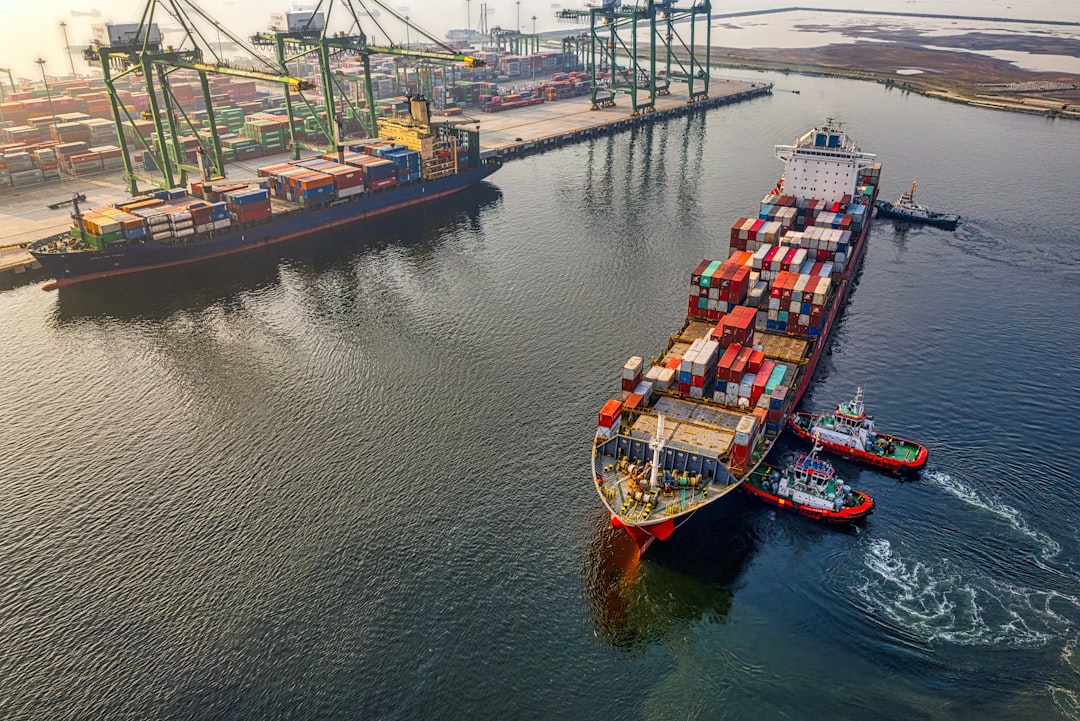
Some CMA CGM customer success stories involve cargo that cannot be handled like standard container freight. Industrial machinery, energy equipment, construction materials, and oversized components require careful planning, specialized equipment, and close coordination between multiple stakeholders.
In a representative project cargo case, an industrial customer needed to move heavy equipment across international borders. The shipment required technical assessment, special handling, route planning, and coordination with terminals and inland carriers.
CMA CGM supported the project through special cargo expertise, including out-of-gauge planning and operational coordination. The company helped identify suitable vessels, equipment, and handling procedures to reduce risk during transport.
- Challenge: Oversized cargo required more planning than standard containerized freight.
- Solution: CMA CGM coordinated special equipment, technical checks, and routing.
- Result: The customer completed a complex international move with improved control and reduced operational risk.
This case demonstrates CMA CGM’s role as a logistics partner for high-value industrial projects. When cargo is unusual, fragile, oversized, or operationally complex, expertise becomes just as important as capacity.
7. Digital Visibility Case Study: Improving Decision-Making
Another important CMA CGM customer success theme is digital transformation. Shippers need accurate shipment data to plan inventory, communicate with customers, and respond to disruptions. Digital platforms can help customers book shipments, access documentation, monitor cargo, and manage exceptions more efficiently.
In a representative case, a mid-sized importer struggled with limited visibility across multiple shipments and suppliers. Teams relied on manual updates, emails, and spreadsheets, which increased the risk of delays and miscommunication.
By using CMA CGM’s digital services, the customer gained easier access to shipment status, documentation, and booking functions. This improved internal coordination and helped teams respond faster when schedules changed.
- Challenge: Manual processes made shipment management slow and fragmented.
- Solution: CMA CGM’s digital tools improved booking, tracking, and documentation workflows.
- Result: The customer increased visibility, reduced administrative effort, and improved communication.
This success story shows that logistics performance is not only physical. Information flow can be just as critical as cargo flow, especially for companies managing many suppliers, destinations, and product categories.
Key Lessons from CMA CGM Customer Success Stories
Across these case studies, several patterns appear. CMA CGM’s strongest customer outcomes usually happen when the company acts as a strategic supply chain partner rather than only a carrier. The most successful shippers use CMA CGM’s network, tools, and expertise to address wider business goals.
- Reliability protects revenue: Retailers, manufacturers, and importers benefit when cargo flows are more predictable.
- Visibility improves control: Digital tracking and documentation help customers make better decisions.
- Specialized cargo needs specialized support: Reefer, project cargo, and automotive shipments require technical knowledge.
- Integrated logistics reduces complexity: Combining ocean, inland, warehousing, and customs support can simplify operations.
- Sustainability is becoming a competitive factor: Lower-carbon options help customers meet stakeholder and regulatory expectations.
Conclusion
CMA CGM customer success stories show how international logistics has evolved beyond basic transportation. Customers increasingly need resilience, visibility, sustainability, and end-to-end coordination. Whether the shipment involves fresh produce, automotive parts, retail inventory, e-commerce goods, industrial machinery, or lower-carbon transport, CMA CGM’s value comes from combining a global shipping network with tailored logistics expertise.
These case studies also show that successful supply chains are built through planning and partnership. Companies that work closely with CMA CGM can improve risk management, respond faster to disruption, and build logistics models that support long-term growth.
FAQ
What types of customers use CMA CGM?
CMA CGM serves a wide range of customers, including retailers, manufacturers, food exporters, automotive suppliers, e-commerce brands, industrial companies, and logistics providers.
What makes CMA CGM customer success stories notable?
They often involve complex supply chain challenges such as peak-season capacity, refrigerated cargo, digital visibility, multimodal transport, and sustainability goals.
Does CMA CGM provide refrigerated shipping?
Yes. CMA CGM offers refrigerated container services for temperature-sensitive cargo such as fresh produce, seafood, pharmaceuticals, and other perishable goods.
How does CMA CGM help customers improve visibility?
The company provides digital tools that support booking, shipment tracking, documentation management, and operational updates, helping customers make faster and better-informed decisions.
Can CMA CGM support sustainability goals?
Yes. CMA CGM offers lower-carbon transport solutions, emissions-related information, and sustainability-focused services that help shippers reduce and monitor logistics emissions.
Does CMA CGM only provide ocean freight?
No. While CMA CGM is a major ocean carrier, the group also supports inland transport, logistics services, air freight connections, warehousing solutions, and broader supply chain coordination.