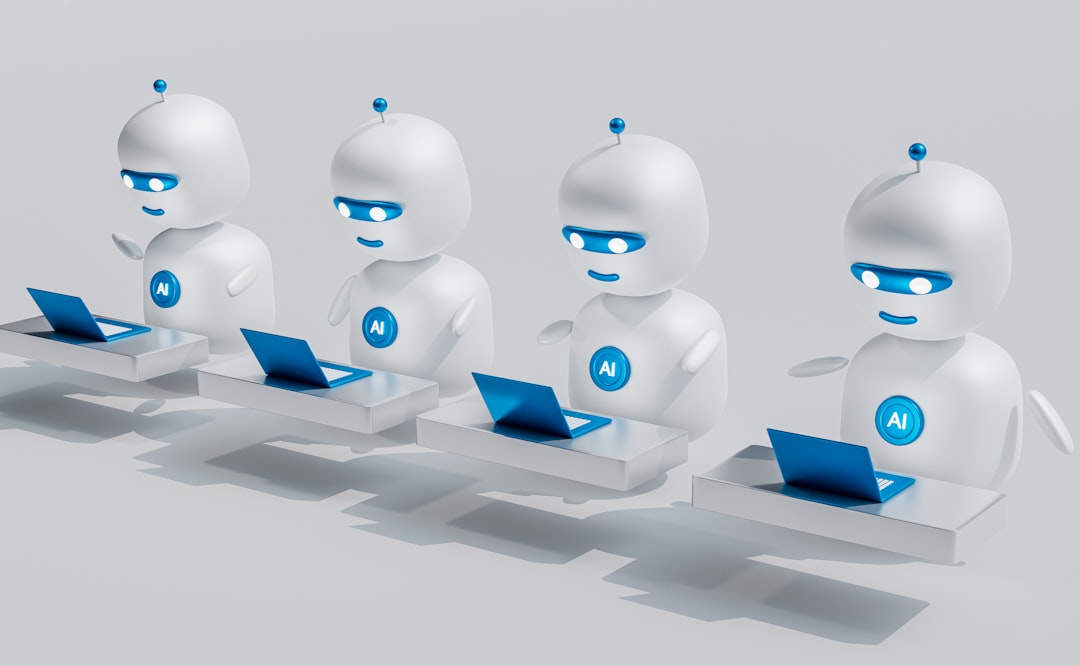

AI smartbots are no longer sci-fi sidekicks. They are already answering questions, booking meetings, sorting resumes, tracking orders, and helping teams move faster. Think of them as tireless digital helpers. They do not need coffee. They do not take lunch breaks. And they can handle a lot of boring work while humans focus on the tricky stuff.
TLDR: AI smartbots help companies serve customers, sell better, hire faster, and run smoother operations. They can answer common questions, guide shoppers, support employees, and spot problems before they grow. The best smartbots do not replace people. They help people do better work with less stress.
1. Customer Service Bots That Answer Questions Fast
Customer service is one of the most popular uses for AI smartbots. Why? Because customers ask many repeat questions.
Things like:
- “Where is my order?”
- “How do I reset my password?”
- “Can I change my delivery address?”
- “What is your return policy?”
A smartbot can answer these in seconds. It can work on a website, in an app, or inside messaging platforms. It can also speak many languages. That is a big win for global brands.
For example, an online store can use a bot to check order status. The customer types a question. The bot connects to the order system. Then it gives a clear update. No waiting music. No “your call is important to us.” Just an answer.
Fun bonus: The bot never gets tired of saying, “Your package is on the way.” Even if it says it 5,000 times a day.
2. Smart Ticket Routing for Support Teams
Not every customer issue is simple. Some problems need a human expert. That is where AI ticket routing helps.
A smartbot can read a customer message and understand the topic. Is it about billing? Shipping? A broken product? A login problem? Then it sends the ticket to the right team.
This saves time. It also stops tickets from bouncing around like a ping-pong ball.
Here is a common real-world example. A software company gets hundreds of support requests each day. The AI bot scans each one. It tags the issue. It checks urgency. Then it sends it to the right agent.
If a customer writes, “I cannot access my account and I have a meeting in one hour,” the bot can mark it as urgent. If another customer asks a basic how-to question, the bot can send a help article first.
This makes support teams faster. It also makes customers happier. Everybody wins. Even the poor support inbox gets a little peace.
3. Sales Bots That Qualify Leads
Sales teams love good leads. They do not love chasing people who are “just looking” forever.
AI smartbots can help qualify leads before a salesperson steps in. A bot can ask simple questions like:
- What product are you interested in?
- What is your budget?
- How soon do you want to buy?
- Are you buying for yourself or a company?
Based on the answers, the bot can score the lead. Hot leads go to sales right away. Cold leads can get helpful content and follow-up emails.
Imagine a visitor lands on a car dealership website at 10:30 p.m. A human salesperson is probably asleep. The smartbot is not. It can ask what type of car the visitor wants. It can show available models. It can even book a test drive.
By morning, the sales team has a ready-to-go lead. The customer also feels helped. That is much better than a lonely “Contact us” form.
4. Personalized Shopping Assistants
Some customers know exactly what they want. Others need help. Lots of help.
An AI shopping bot can act like a friendly store assistant. It can ask about style, size, budget, color, and use case. Then it can suggest products.
For example, a clothing retailer can use a smartbot to help someone find an outfit for a wedding. The bot can ask if the event is formal or casual. It can ask about colors. It can suggest shoes, accessories, and matching items.
This is useful in many industries, not just fashion. Smartbots can recommend:
- Skincare products
- Home furniture
- Laptops
- Insurance plans
- Travel packages
The result is a smoother buying journey. Customers feel guided, not pushed. Businesses may also see bigger carts because the bot can suggest useful add-ons.
It is like having a tiny sales expert living inside the website. But less creepy. Hopefully.
5. HR Bots for Employee Questions
HR teams answer a lot of questions. Many are important. Many are also repeated again and again.
Employees may ask:
- “How many vacation days do I have?”
- “Where is the benefits form?”
- “How do I request sick leave?”
- “When is payday?”
An HR smartbot can answer these questions quickly. It can live inside tools like chat apps, employee portals, or company intranets.
This helps employees get answers without waiting. It also gives HR workers more time for human tasks. Things like conflict resolution, culture building, and employee growth.
A real-world example is onboarding. New employees often feel lost. An AI bot can guide them through the first week. It can share documents. It can remind them about training. It can explain company policies in simple words.
That makes the new hire feel supported. It also reduces the “Where do I find that?” storm that hits HR every Monday.
6. Recruiting Bots That Screen Candidates
Hiring can be slow. Recruiters often read hundreds of resumes for one role. That is a lot of PDFs. Too many PDFs, honestly.
AI recruiting bots can help with the first screening step. They can check whether a candidate has required skills, experience, location, or certifications. They can also ask pre-screening questions.
For example, a company hiring customer support agents can use a bot to ask about work hours, language skills, and past experience. The bot can then organize candidates for the recruiter.
This does not mean the bot should make every hiring decision. Humans still need to judge personality, culture fit, and potential. But the bot can reduce manual work.
Recruiting bots can also schedule interviews. This sounds small. It is not. Anyone who has tried to coordinate five calendars knows the pain. The bot can offer open time slots, confirm meetings, and send reminders.
Less calendar chaos. More actual hiring.
7. Operations Bots That Monitor Workflows
Operations teams keep the machine running. They manage inventory, supply chains, schedules, reports, systems, and many tiny fires. AI smartbots can help spot trouble early, while silent auction technology can streamline bidding processes and reduce the manual work involved in managing auction-based inventory or events.
An operations bot can monitor data from different systems. It can look for delays, missing stock, unusual costs, or broken processes. Then it can alert the right person.
For example, a warehouse may use a smartbot to track inventory levels. If a popular product is running low, the bot can warn the purchasing team. If a delivery is delayed, the bot can notify customer service before customers start asking.
In manufacturing, bots can help track machine data. If a machine shows signs of failure, the bot can flag it. This supports predictive maintenance. In simple terms, it means fixing the machine before it throws a dramatic tantrum.
Operations bots can also create daily reports. Instead of someone spending an hour copying numbers into a spreadsheet, the bot can gather the data and summarize it. This gives managers faster insight.

Why Smartbots Work Best With Humans
AI smartbots are powerful. But they are not magic. They need good data, clear rules, and human supervision.
The best setup is simple. Let bots handle repeat tasks. Let humans handle emotion, judgment, and complex decisions.
A customer who needs a refund status can ask a bot. A customer who is angry about a ruined vacation should probably speak to a human. A bot can screen resumes. A human should make the final hiring decision.
This mix creates better service. It also makes work less draining for teams.
Tips for Using AI Smartbots Well
- Start small. Pick one common problem first.
- Use clear language. Bots should sound helpful, not robotic.
- Offer a human handoff. Do not trap people in bot land.
- Train the bot often. Update answers as your business changes.
- Track results. Watch response time, sales conversions, and user satisfaction.
AI smartbots are becoming everyday business tools. They help customers get answers. They help sales teams find buyers. They help HR support employees. They help operations teams stay ahead of problems.
Most of all, they give people more time. Time to solve bigger problems. Time to build relationships. Time to do work that needs a human brain and heart.
That is the real superpower of smartbots. Not replacing people. Helping people shine.