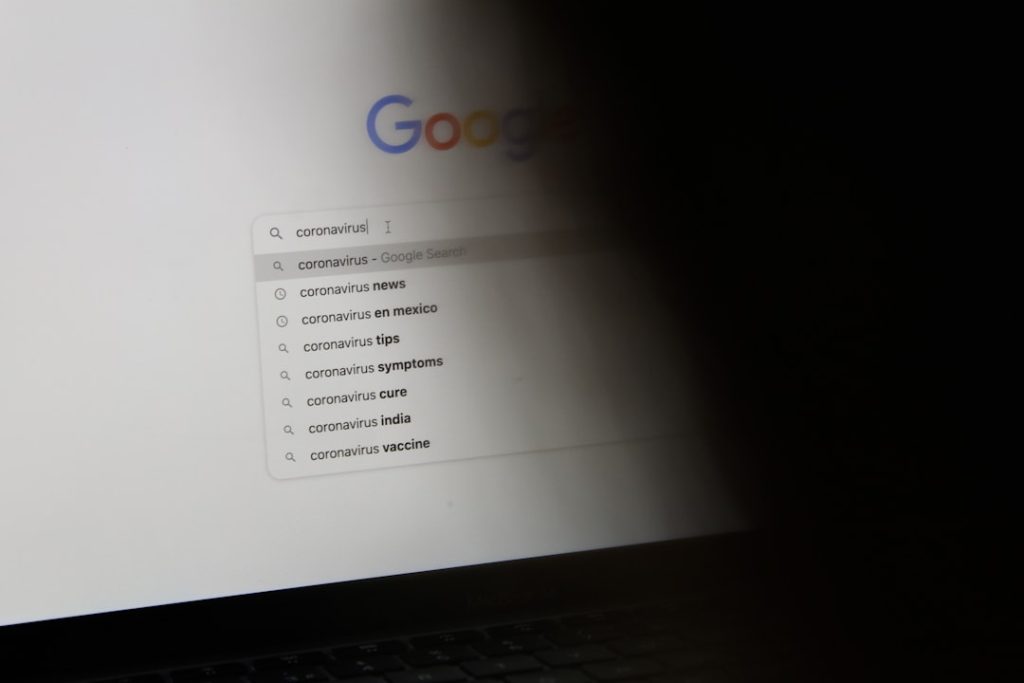

Write content that answers real questions in plain language, or AI search tools may skip you. People no longer type only “best running shoes.” They ask, “What are the best running shoes for flat feet under $120?” Your content must be ready for that full question.
TLDR: Conversational SEO means shaping content so search engines and AI assistants can understand, quote, and summarize it. Use clear answers, question-style headings, simple structure, and proof. For example, a skincare brand that adds 40 direct FAQ answers could see more clicks from long questions like “Can I use vitamin C with retinol at night?” If AI tools send even 12% more ready-to-buy visitors, that is worth the work.
What Is Conversational SEO?
Conversational Search Engine Optimization is the practice of making content match how people talk, ask, and think.
It focuses on full questions. It also focuses on clear answers. This matters because search is changing fast. People use voice search. They use chatbots. They use AI answer tools. They ask long, messy questions.
They do not always search like robots anymore.
Old search:
- “CRM software pricing”
- “vegan protein powder”
- “email marketing tips”
New search:
- “What CRM is best for a 10 person sales team?”
- “Which vegan protein powder tastes good in coffee?”
- “How can I improve email open rates without sounding pushy?”
See the shift? It is more human. More specific. More useful.
Why Brands Should Care
AI answers often sit above regular search results. That means your perfect blog post may not get the click if the answer box already solves the problem.
Annoying? Yes. Honestly, it feels like doing the homework and watching someone else read the notes out loud.
But there is good news. AI tools still need trusted sources. They need clean content. They need facts, examples, and structure. If your brand provides those, you have a better shot at being cited, summarized, or chosen.
This is not only about traffic. It is about being the answer.
Start With Real Customer Questions
Do not start with keywords. Start with people.
Collect questions from:
- Sales calls
- Customer support chats
- Product reviews
- Reddit threads
- Google “People also ask” boxes
- Internal site search
- Social media comments
Then group them by intent.
- Informational: “What is conversational SEO?”
- Comparison: “Is Shopify better than WooCommerce?”
- Purchase: “What is the best dog food for puppies with allergies?”
- Support: “Why is my account not syncing?”
This gives you a map. Not a giant spreadsheet that makes everyone sad. A useful map.
Write Answers First
Put the answer near the top. Do not hide it in paragraph seven.
If the heading asks, “How long does ceramic coating last?” answer right away.
Bad:
Ceramic coating has become popular among car owners due to its shine and protection.
Better:
Ceramic coating usually lasts 2 to 5 years, depending on the product, prep work, and care routine.
That second version is easier for humans. It is also easier for AI systems to understand.
Use Question Headings
Question headings are gold. They match natural searches. They also make pages easier to scan.
Use headings like:
- “How does conversational SEO work?”
- “What content does AI search prefer?”
- “How do I optimize product pages for questions?”
- “Can FAQ pages still rank?”
Then answer each question in 2 to 4 short paragraphs. Add lists when useful. Add examples when possible.
Simple wins.
Build Content Around Entities, Not Just Keywords
Search engines now care about meaning. They try to understand things, people, brands, products, and places. These are often called entities.
If you sell winter boots, your content should connect related ideas:
- Waterproof materials
- Insulation types
- Ice grip
- Snow hiking
- Wide feet
- Temperature ratings
This helps AI tools see that your page covers the topic well. Not in a spammy way. In a useful way.
Do not stuff words. That makes content sound like a broken vending machine.
Make Product Pages More Conversational
Product pages often sound stiff. That is a problem.
A shopper may ask, “Is this backpack good for a 3 day trip?” Your page should answer that.
Add short sections like:
- Best for: Weekend travel, gym gear, daily work use.
- Not ideal for: Heavy camera gear or long camping trips.
- Common question: Will it fit under an airplane seat?
- Quick answer: Yes, it fits under most standard airline seats.
This helps shoppers decide faster. It also gives AI tools better material to summarize.
Add FAQ Blocks, But Make Them Useful
FAQ sections still help. But weak ones are useless.
Do not add questions like, “Is this product high quality?” That says nothing.
Ask what buyers really ask:
- “Does this mattress work for side sleepers?”
- “Can I return opened skincare products?”
- “How long does shipping take to Chicago?”
- “Will this software work with QuickBooks?”
Keep answers direct. Add numbers. Add limits. Add real details.
For example:
Yes, this software syncs with QuickBooks Online every 15 minutes. It does not support QuickBooks Desktop at this time.
That is useful. It saves support time too.
Use Schema Markup
Schema markup is code that helps search engines understand your page. You do not need to be a wizard. You just need the right labels.
Useful schema types include:
- FAQPage for question and answer content
- Product for product details, reviews, and prices
- HowTo for step-by-step guides
- Article for blog content
- LocalBusiness for stores and service areas
Bad schema can cause errors. It drives me crazy when tools say “valid” but still miss half the fields. Check your pages with Google’s Rich Results Test and Schema.org Validator.
Show Experience And Proof
AI tools and search engines look for trust signals. So do people.
Add proof like:
- First-hand testing
- Photos from your team
- Expert quotes
- Customer data
- Before and after results
- Clear author bios
Example:
“We tested this air purifier in a 300 square foot room for 14 days. Dust levels dropped by 31% based on our indoor sensor readings.”
That is much stronger than, “This purifier is great.”

Optimize For Voice Search
Voice answers need to be short. People do not want a lecture from their smart speaker.
Write answer snippets that are 30 to 50 words. Use natural wording. Read them out loud. If they sound weird, rewrite them.
Good voice-friendly answer:
“A small business should post on LinkedIn 2 to 5 times per week. Focus on helpful tips, customer stories, hiring news, and simple industry insights.”
That sounds human. It can be spoken without pain.
Create Topic Hubs
One page cannot answer everything. Build topic hubs instead.
A topic hub has one main page and several support pages.
For example, a pet food brand might create:
- Main guide: “Best Food for Dogs With Allergies”
- Support page: “Chicken Allergy in Dogs”
- Support page: “Grain Free Dog Food Pros and Cons”
- Support page: “How to Switch Dog Food Safely”
- Support page: “Signs Your Dog Food Is Not Working”
Link these pages together. Use clear anchor text. This helps users. It also helps search systems connect the dots.
Measure The Right Things
Conversational SEO can be harder to track than old SEO. Some AI answers do not send clicks. That is irritating, but you can still measure progress.
Track:
- Long-tail query impressions
- FAQ clicks
- Featured snippet wins
- Conversion rate from question pages
- Branded search growth
- Support ticket reduction
- Mentions in AI answer tools
Here is a simple case. A B2B software company rewrites 25 help pages in question format. Each page gets a direct answer, FAQ schema, and clearer internal links. After 90 days, organic impressions from question-based searches rise by 28%. Support tickets about setup drop by 16%. That is real business value.
Common Mistakes To Avoid
- Writing for bots only. People can smell fake content.
- Answering too slowly. Say the useful thing first.
- Ignoring product details. Specifics help buyers choose.
- Publishing thin FAQs. Weak questions waste space.
- Using jargon everywhere. Clear beats clever.
- Forgetting updates. Old answers lose trust.
A Simple Content Recipe
Use this format for most conversational pages:
- Ask a real user question in the heading.
- Give the short answer in the first sentence.
- Add context in plain words.
- Use bullets for steps, options, or features.
- Add proof, numbers, or examples.
- Answer related questions near the end.
- Link to the next helpful page.
This structure works for blogs, product pages, service pages, and support content.
The Big Idea
Conversational SEO is not magic. It is clear communication.
Brands need to sound less like brochures and more like helpful experts. Answer the question. Show proof. Use simple structure. Keep content fresh.
If your content helps a person make a better choice, it has a better chance of helping AI tools too.
That is the new job. Be useful enough to be picked as the answer.