Choose TruGreen if you want a crew to handle the work; choose Sunday if you want a cheaper, lighter-touch lawn fertilization plan you apply yourself. That is the practical split for most homeowners comparing these two lawn fertilizer services.
TLDR: TruGreen is best for busy homeowners who want professional visits, weed control, and broader lawn treatments bundled together. Sunday is better for DIY owners who want customized fertilizer shipped to their door and do not mind spraying it themselves. For example, a 5,000 sq. ft. lawn may cost roughly $200 to $350 per season with Sunday, while a TruGreen plan can land closer to $500 to $1,200+, depending on location and add-ons. If your lawn is mostly healthy, Sunday may be enough; if it is full of weeds, bare spots, and mystery problems, TruGreen may save time.
How the two services work
TruGreen is a traditional lawn care company. You sign up for a plan, and technicians visit your property during the growing season. They apply fertilizer, weed control, and other treatments based on the plan you choose. Some plans also include services such as grub control, mosquito control, aeration, overseeding, tree care, and soil treatments.
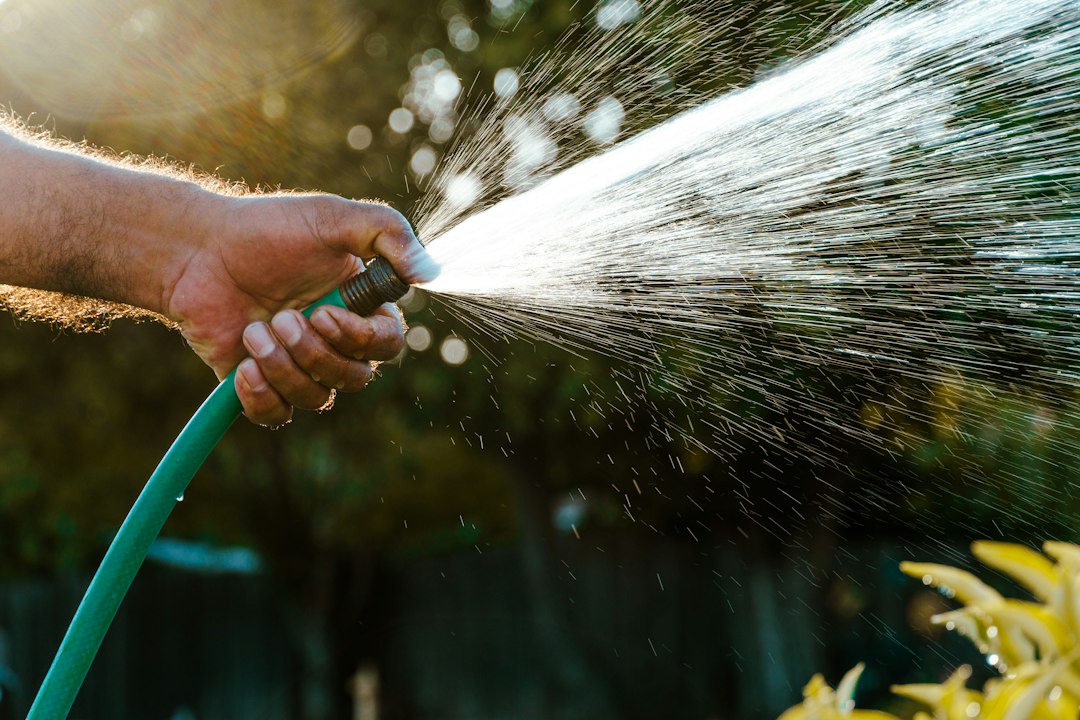
Sunday takes a different path. It sells a customized lawn care subscription that arrives by mail. You enter your address, answer questions about your yard, and Sunday builds a plan using local climate data and, in many cases, soil test information. The products are usually applied with a hose-end sprayer. You do the work, but Sunday tells you when to apply each pouch.
That difference matters. TruGreen sells labor and lawn expertise. Sunday sells a guided DIY system.
Best for convenience: TruGreen
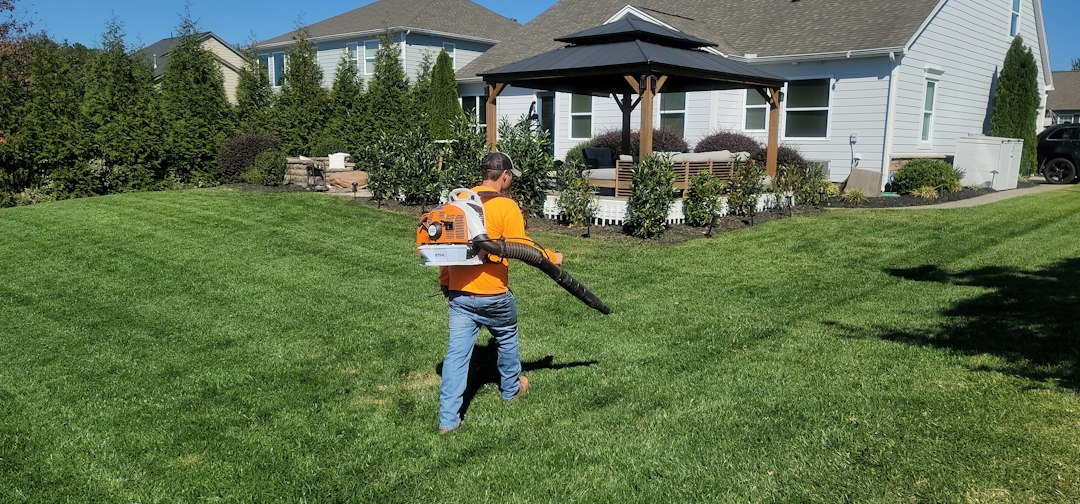
If you hate lawn chores, TruGreen has the edge. A technician shows up, treats the lawn, leaves a service summary, and moves on. You do not need to store fertilizer, calibrate a spreader, or wonder if you sprayed too much in one corner.
This is helpful for homeowners with large yards, steep areas, or unpredictable schedules. It is also useful if you have tried DIY products and still have clover, crabgrass, yellow patches, or thin turf. A trained technician may spot issues faster than a homeowner guessing from photos online.
The catch is that convenience comes with less control. You may not know the exact arrival time. Weather can shift appointments. Some customers also report uneven service quality from branch to branch. One technician may be careful and communicative. Another may finish fast and leave you wondering what actually happened.
Best for budget: Sunday
Sunday is usually the cheaper option. It removes the labor cost, which is a big part of professional lawn care pricing. For a small or average yard, the annual cost often feels far easier to accept than a full-service program.
You also get a cleaner shopping experience. Sunday’s website shows the plan, shipment timing, ingredients, and application steps. It feels less like calling for a quote and more like buying a seasonal kit. That is refreshing, because lawn care pricing can get oddly secretive.
Still, Sunday is not magic in a box. You must apply it correctly. If you skip applications, spray during heat stress, or ignore watering instructions, results will suffer. Expect to spend time dragging the hose around the yard. For some people, that is fine. For others, it gets old by the second treatment.
Fertilizer quality and lawn results
Both companies can improve lawn color and growth. The better choice depends on what your grass needs.
TruGreen often uses professional-grade fertilizer and weed control products. Treatments may be stronger and more targeted, especially for broadleaf weeds or heavy crabgrass pressure. Professional timing also helps. Applying the right product two weeks too late can reduce results, and TruGreen’s schedule may prevent that.
Sunday focuses on nutrient plans with ingredients that are often positioned as safer, lower-risk, and soil-friendly. Many Sunday formulas include nutrients such as nitrogen, iron, seaweed, or other plant-supporting ingredients. The brand tends to avoid the heavy chemical feel of older lawn programs.
For a lawn that is already in decent shape, Sunday can produce solid greening and steady growth. For a rough lawn with weeds everywhere, compacted soil, or insect damage, Sunday may feel too gentle. You may need extra products or a more aggressive reset.
Weed control: where TruGreen pulls ahead
Weed control is one of the biggest separators. TruGreen offers dedicated weed treatments and pre-emergent applications, depending on the plan and region. If your main complaint is “my lawn is more weeds than grass,” TruGreen is usually the stronger pick.
Sunday does offer weed-related products, but its core strength is fertilization and lawn feeding. Its approach may work fine for minor weeds. It may not satisfy homeowners who want fast suppression of dandelions, crabgrass, nutsedge, or creeping charlie.
Honestly, it feels like Sunday works best when you are maintaining a lawn, not rescuing one from years of neglect.
Customization and soil health
Sunday deserves credit for making soil data feel simple. The company often uses property data, local weather, and optional soil tests to shape the plan. That means a lawn in Arizona should not receive the same treatment schedule as a lawn in Ohio.
TruGreen also adjusts by region and season, but the experience can feel less transparent. You may get service notes after a visit, yet you might not see the same ingredient-level detail Sunday provides upfront.
If you enjoy knowing what is going on your grass, Sunday is more satisfying. If you just want the lawn fixed without reading application instructions, TruGreen is easier.
Pricing: what to expect
Prices vary by yard size, region, plan, and promotions. Still, the pattern is clear.
- Sunday: Often around $200 to $350 per year for many average lawns, though larger yards cost more.
- TruGreen: Often around $500 to $1,200+ per year, especially when weed control, aeration, overseeding, or pest services are added.
- DIY store fertilizer: Can be cheaper than both, but you lose the custom planning and reminders.
TruGreen may run first-application discounts, but watch the full-season price. It drives me crazy when the headline offer looks tiny, while the real yearly total takes a phone call or several screens to uncover.
Customer experience and support
TruGreen gives you human service, which can be great or frustrating. If your local branch is strong, the experience may be smooth. If scheduling is sloppy, you may spend time calling support, checking service windows, or asking for a retreatment.
Sunday’s experience is more predictable. Products arrive. Instructions are clear. You apply them. Support is remote, so nobody is walking your lawn unless you send photos or details. That works for simple problems. It is less helpful when your turf has disease, drainage issues, or mixed grass types.
Which one should you choose?
Pick TruGreen if you want professional applications, stronger weed control, and less physical work. It is also the better fit for large lawns, poor lawn conditions, or homeowners who want bundled services like aeration and pest control.
Pick Sunday if your lawn is manageable, your budget matters, and you are comfortable doing quick applications yourself. It is a smart match for people who like clear instructions, lower-cost seasonal plans, and a more measured approach to fertilization.
The simplest rule is this: TruGreen is a service; Sunday is a system. If your lawn needs rescue, pay for the service. If it needs regular feeding and a little structure, the system may be all you need.