

As search behavior shifts from traditional results pages to AI-generated answers, a GEO website audit has become an important step for organizations that want to remain visible, trusted, and competitive. GEO, or Generative Engine Optimization, focuses on how well a website can be understood, cited, and summarized by AI-powered search engines and answer platforms.
TLDR: A GEO website audit helps a business understand whether its website is ready to appear in AI-generated search responses. It identifies gaps in content clarity, authority, structure, technical performance, and trust signals. By improving these areas, a website can increase its chances of being referenced by generative engines and discovered by modern search users. The audit also supports stronger long-term SEO, content strategy, and digital credibility.
What Is a GEO Website Audit?
A GEO website audit is a detailed review of a website’s ability to perform in AI-driven search environments. Unlike a standard SEO audit, which often focuses heavily on rankings, keywords, metadata, backlinks, and crawlability, a GEO audit also evaluates whether content is clear, factual, well-structured, authoritative, and easy for AI systems to interpret.
Generative engines summarize information from multiple sources. They are more likely to reference pages that provide specific answers, demonstrate expertise, include structured information, and maintain a consistent brand presence across the web. A GEO audit helps identify whether a website has the qualities needed to become one of those trusted sources.
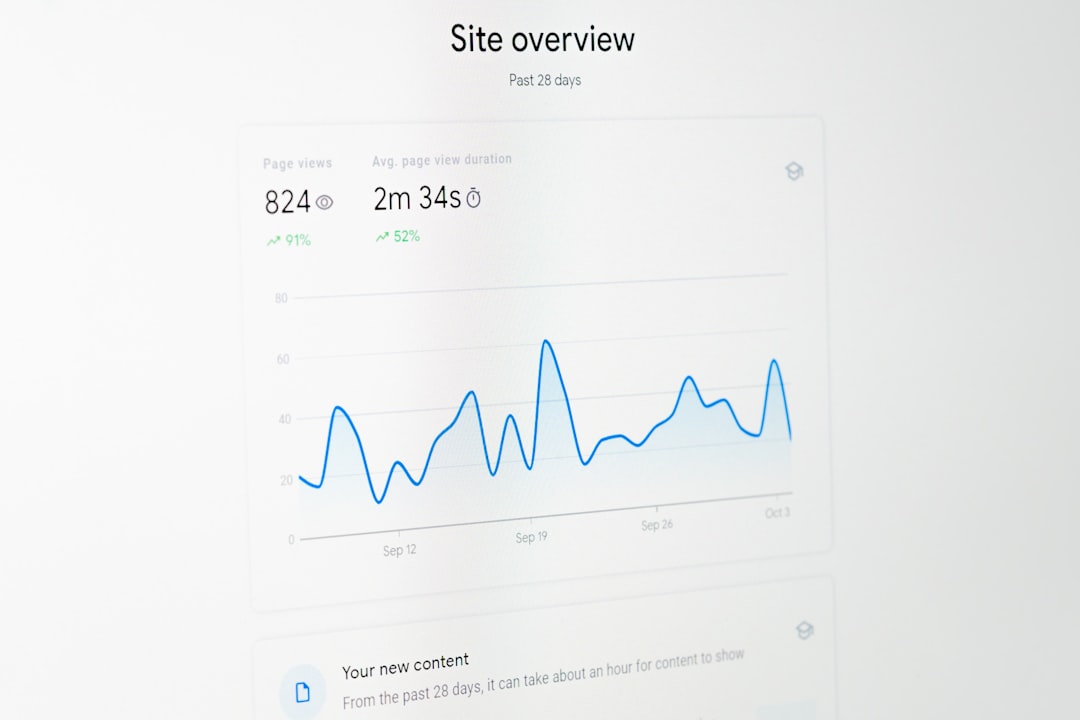
Improved Visibility in AI Search Results
One of the main benefits of a GEO website audit is improved visibility in AI-powered search experiences. Search users increasingly ask conversational questions and expect direct answers. If a website’s content is vague, outdated, thin, or poorly organized, generative engines may ignore it in favor of clearer sources.
A GEO audit highlights opportunities to create content that directly answers user questions. This may include adding concise explanations, improving headings, expanding topic coverage, and presenting information in formats that are easier to summarize. As a result, a business can increase its chances of being mentioned, cited, or used as a source in AI-generated answers.
Stronger Content Quality and Relevance
Generative engines depend on high-quality content to produce useful responses. A GEO website audit reviews whether existing content is helpful, accurate, and relevant to the intended audience. It can reveal common problems such as duplicate pages, shallow articles, missing definitions, unclear service descriptions, or outdated claims.
After the audit, content teams can prioritize improvements that support both users and AI systems. These improvements may include:
- Answering common questions in a direct and complete way.
- Adding topical depth with examples, comparisons, and explanations.
- Updating outdated information so pages remain accurate.
- Improving readability through headings, lists, summaries, and plain language.
- Clarifying expertise by showing credentials, experience, or industry knowledge.
Better content does not only support GEO. It also improves user engagement, strengthens brand trust, and can increase conversions by making important information easier to find and understand.
Better Website Structure for Machine Understanding
A website may contain useful information but still fail to perform well if that information is hard to interpret. A GEO audit examines how content is structured across pages. It looks at headings, internal links, schema markup, page hierarchy, and the relationship between related topics.
AI systems benefit from logical organization. When a website uses clear headings, topic clusters, descriptive page titles, and structured data, it becomes easier for search engines and generative models to understand the meaning and relevance of each page. This can help a business build stronger topical authority.

Enhanced Authority and Trust Signals
Generative engines tend to favor information that appears reliable. A GEO website audit evaluates whether a website communicates trust effectively. This includes visible author information, company details, citations, reviews, case studies, testimonials, and consistent business information across digital platforms.
For industries where accuracy is especially important, such as finance, health, law, technology, and professional services, trust signals are critical. A website that shows who is behind the content, why the information can be trusted, and how the organization has demonstrated expertise is better positioned for AI visibility.
The audit may recommend adding or improving:
- Author bios that explain qualifications and experience.
- About pages with clear company history and leadership information.
- Source references for factual or research-based claims.
- Client proof such as testimonials, reviews, results, or case studies.
- Contact details that confirm the business is legitimate and accessible.
Support for Traditional SEO Performance
Although GEO is focused on generative search, many of its improvements also benefit traditional SEO. A website that is easier to understand, faster to load, more authoritative, and more helpful to users is naturally better aligned with search engine best practices.
A GEO audit may uncover technical issues that affect both AI and traditional search visibility. These can include slow page speed, broken links, poor mobile usability, missing metadata, weak internal linking, crawl errors, or confusing navigation. Fixing these problems can support broader organic growth.
In this way, GEO should not be seen as a replacement for SEO. Instead, it extends SEO into the era of AI search, where content must be optimized not only for rankings but also for inclusion in generated answers.
Clearer Understanding of User Intent
Modern search behavior is increasingly conversational. Users no longer search only with short keyword phrases; they ask detailed questions, compare options, and expect personalized answers. A GEO website audit helps identify whether a website addresses these real-world search patterns.
By reviewing queries, content gaps, and customer questions, the audit can reveal what users need at different stages of the decision process. This allows a business to create pages that serve informational, commercial, and transactional intent more effectively.
For example, a company may discover that its website explains what it sells but does not answer comparison questions, pricing concerns, implementation issues, or common objections. Addressing these gaps can make the website more useful to both human visitors and AI answer engines.
Competitive Advantage in a Changing Search Landscape
Many organizations still focus only on traditional search optimization. Businesses that conduct GEO website audits early can gain an advantage while competitors are slower to adapt. When AI-driven discovery becomes more common in a market, websites that are already structured for generative visibility may be better positioned.
A GEO audit can also reveal how competitors appear in AI-generated answers. It may show which brands are being referenced, what types of content are being cited, and where a business is missing from important conversations. These insights can guide a more focused content and authority strategy.

More Consistent Brand Messaging
Generative engines may summarize a brand based on available online information. If a company’s website, profiles, listings, and content send mixed messages, AI-generated summaries may be incomplete or inaccurate. A GEO website audit helps ensure that the brand’s positioning is clear and consistent.
This includes reviewing how products, services, locations, values, and expertise are described across important pages. Consistent messaging makes it easier for AI systems to understand what the business does and why it matters. It also creates a better experience for users who encounter the brand through multiple digital touchpoints.
Actionable Roadmap for Improvement
Another major benefit of a GEO website audit is that it turns uncertainty into a practical plan. Rather than guessing why a website is not appearing in AI answers, a business receives a structured view of what needs to change.
A strong audit typically prioritizes recommendations by impact and effort. This helps teams decide whether to focus first on technical fixes, content expansion, schema markup, authority signals, or brand consistency. With a roadmap in place, improvements become easier to manage and measure over time.
Long-Term Digital Resilience
Search technology will continue to evolve. A website that only follows outdated optimization tactics may lose visibility as user behavior and search platforms change. A GEO website audit helps future-proof digital presence by focusing on principles that remain valuable: clarity, usefulness, authority, structure, and trust.
Organizations that invest in these areas build stronger digital assets. Their content becomes easier to discover, easier to understand, and more useful across search engines, AI platforms, and customer journeys.
FAQ
What does GEO mean in website audits?
GEO stands for Generative Engine Optimization. It focuses on improving how well a website can be understood, summarized, and referenced by AI-powered search engines and answer platforms.
How is a GEO audit different from an SEO audit?
An SEO audit focuses mainly on traditional search performance, while a GEO audit also evaluates content clarity, authority, structured information, and suitability for AI-generated answers. The two approaches often work best together.
Who needs a GEO website audit?
Any business that depends on online visibility can benefit from a GEO audit. It is especially useful for companies in competitive industries, expert-driven fields, local services, ecommerce, and B2B markets.
How often should a website receive a GEO audit?
A website should generally receive a GEO audit at least once or twice a year. More frequent reviews may be useful when a business publishes large amounts of content, changes services, or operates in a fast-moving industry.
What are the most important outcomes of a GEO audit?
The most important outcomes are a clearer content strategy, stronger trust signals, improved technical structure, better alignment with user intent, and a greater chance of appearing in AI-generated search responses.