
Sorting through CDiPhone reviews can feel a little like reading a crowded group chat: some customers are thrilled with the value, others focus on shipping or customer service, and a few raise concerns that deserve closer attention. The most useful approach is not to treat every review as equally important, but to look for patterns in what buyers repeatedly mention. This article explains the most common customer experiences, what positive and negative reviews usually mean, and how to make a smarter decision before buying.
TLDR: CDiPhone reviews tend to focus on product condition, pricing, delivery speed, customer support, and whether the phone matches its description. Positive experiences often come from buyers who carefully check model details, warranty terms, and seller policies before purchasing. Negative reviews usually involve misunderstandings about condition grades, delays, or expectations that were not clearly confirmed in advance. The best way to use reviews is to look for repeated themes rather than relying on one extremely good or bad opinion.
Why CDiPhone Reviews Matter
Customer reviews are valuable because they show how a product or service performs after the sale, not just how it appears in a listing. When people review CDiPhone purchases, they are often commenting on practical details: whether the phone arrived on time, whether the battery health was acceptable, whether the screen had scratches, and whether customer service responded when something went wrong.
That kind of feedback is especially important when buying phones because even small differences can affect the user experience. A device may look great in photos but have reduced battery performance. Another may be priced attractively but come with a limited return window. Reviews give potential buyers a clearer picture of what to expect.

Common Themes in Positive Customer Experiences
The strongest positive CDiPhone reviews usually share a few common points. Buyers often feel satisfied when the product description is accurate and the device performs as expected. In many cases, customers are not necessarily looking for a perfect phone; they simply want honesty about what they are buying.
- Accurate condition grading: Customers appreciate when a phone listed as “excellent,” “good,” or “fair” arrives in the expected condition.
- Competitive pricing: Many positive reviews come from shoppers who feel they saved money compared with buying a new phone.
- Fast delivery: Timely shipping can make a big difference, especially for buyers replacing a broken device.
- Working accessories: Even simple extras, such as a charging cable or adapter, can improve the buying experience.
- Responsive support: When questions are answered quickly, customers tend to feel more confident about the purchase.
One of the most frequent reasons customers leave high ratings is that the phone arrives looking better than expected. For example, a buyer may order a used or refurbished iPhone expecting visible marks, only to receive a device with minor signs of use. That kind of pleasant surprise often turns an ordinary transaction into a five-star review.
What Negative Reviews Usually Reveal
Negative reviews are worth reading carefully, but they should be interpreted with context. Some complaints point to serious issues, while others come from mismatched expectations. A customer who expected a flawless device but purchased a lower condition grade may feel disappointed, even if the listing was technically accurate.
The most common concerns in lower-rated CDiPhone reviews include:
- Battery health below expectations: Buyers often care deeply about battery percentage because it affects daily usability.
- Cosmetic wear: Scratches, dents, or screen marks can cause frustration if the buyer expected a cleaner device.
- Shipping delays: Even a well-priced phone can lead to dissatisfaction if it arrives later than promised.
- Activation or carrier issues: Some buyers may discover too late that a phone is not compatible with their network.
- Return complications: Customers become unhappy when return instructions, refunds, or replacements take longer than expected.
When reading negative reviews, look for specific details. A review that says, “The phone was bad” is less useful than one explaining that the battery health was 78%, the screen had deep scratches, or the device was locked to a carrier. Specific complaints help you decide whether the issue might affect your own purchase.
Product Condition: The Biggest Review Factor
For most customers, product condition is the heart of the review. A phone can be affordable, attractive, and popular, but if the condition does not match the listing, the experience suffers. This is why buyers should pay close attention to condition categories before ordering.
In general, phone condition labels can vary from seller to seller. One company’s “good” may look like another company’s “very good.” Because of this, customers should not rely only on the label. It is better to read the description, check photos if available, and review any explanation of cosmetic standards.
Excellent condition usually suggests minimal signs of wear. Good condition may include light scratches or small marks. Fair condition may show more visible use but should still function properly. Understanding these differences can prevent disappointment and help buyers choose the right balance between appearance and price.
Battery Health and Performance Reviews
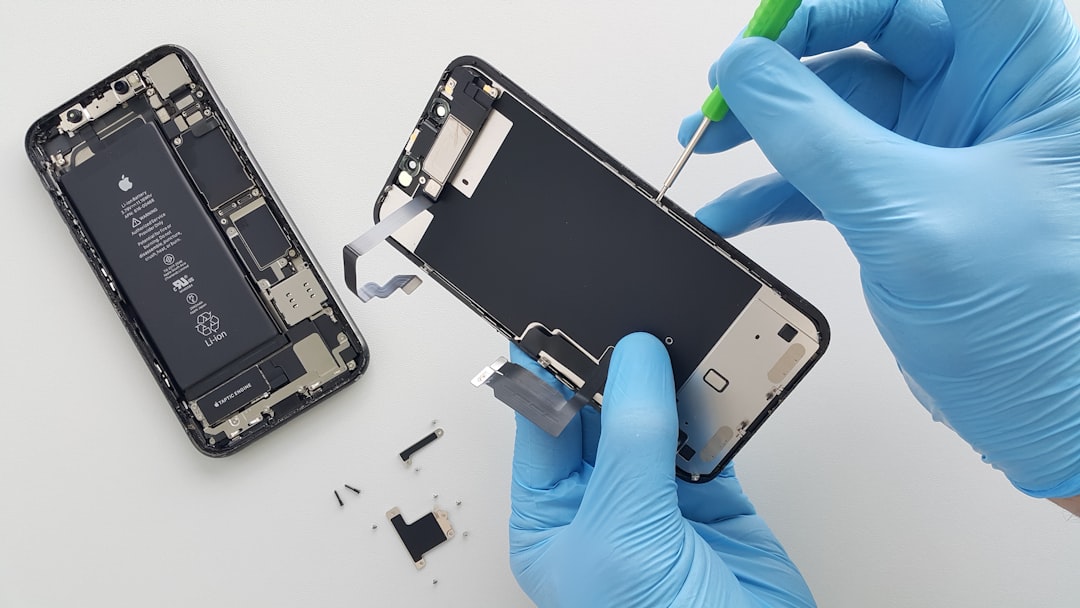
Battery health is one of the most emotional topics in CDiPhone customer feedback. This makes sense: a phone that needs constant charging can quickly become annoying. Many buyers look for reviews mentioning whether the battery lasts through a normal day, charges properly, and shows acceptable maximum capacity.
If battery health is not clearly stated in a listing, customers should ask before buying. Some sellers provide a minimum battery capacity guarantee, while others do not. Reviews can help reveal what buyers typically receive, but direct confirmation is still better than guessing.
Performance feedback is also important. Customers often mention whether apps open smoothly, Face ID or Touch ID works, cameras function correctly, and the speakers sound clear. These details are especially helpful because they go beyond surface appearance and describe how the phone behaves in real life.
Shipping and Packaging Experiences
Shipping reviews can reveal a lot about the overall buying experience. Customers generally care about three things: how fast the product ships, whether tracking information is provided, and whether the device is protected during transit. A phone is a fragile item, so packaging matters.
Positive reviews often mention that the phone arrived securely packed, with protective wrapping and no damage. Negative reviews may mention loose packaging, delayed tracking updates, or confusion about delivery dates. While shipping problems can happen with any online purchase, repeated complaints about packaging or delays should be taken seriously.
Customer Service: A Key Difference Maker
Customer service can turn a problem into a manageable inconvenience—or make a small issue feel much worse. Some of the most revealing CDiPhone reviews are not from customers who had perfect transactions, but from customers who had a problem and explain how it was handled.
A strong support experience usually includes quick replies, clear instructions, and fair solutions. For example, if a phone arrives with a defect, a helpful support team may offer troubleshooting, replacement, repair, or refund options. Customers tend to be understanding when they feel heard and respected.
On the other hand, reviews that mention unanswered messages, unclear policies, or slow refunds can be warning signs. Before purchasing, buyers should check the return policy, warranty terms, and support contact methods. This helps set expectations before money changes hands.
How to Read CDiPhone Reviews Like a Smart Buyer
Not every review deserves the same weight. Some are emotional reactions, some are highly detailed, and some may be outdated. To get the best insight, read reviews strategically instead of simply scanning the star rating.
- Look for repeated patterns: If many customers mention the same problem, it is more meaningful than one isolated complaint.
- Check recent reviews: Recent experiences are usually more relevant than reviews from years ago.
- Compare positive and negative feedback: This helps you understand both strengths and risks.
- Notice how problems are resolved: A company that responds well to issues may still be worth considering.
- Read condition-specific comments: Reviews from buyers who ordered the same condition grade are especially useful.
It is also helpful to separate personal preference from objective problems. A customer saying the phone felt “too small” may not matter if you prefer compact devices. But a customer saying the device would not activate is a technical issue that deserves more attention.
Price Versus Expectations
Many customer experiences are shaped by price expectations. Buyers who understand they are purchasing a used, refurbished, or discounted phone often judge the experience differently from those expecting a brand-new device. The lower the price, the more important it is to understand what trade-offs may exist.
A good deal is not only about paying less. It is about receiving fair value for the condition, age, battery life, storage capacity, and warranty coverage of the device. A slightly more expensive phone with better battery health and a clear return policy may be a better purchase than the cheapest available option.

Questions to Ask Before Buying
Before relying on reviews alone, customers should confirm key details. Asking the right questions can prevent many common complaints.
- Is the phone unlocked, or is it tied to a specific carrier?
- What is the minimum guaranteed battery health?
- What accessories are included?
- Are photos of the actual device available?
- What is the return window?
- Is there a warranty, and what does it cover?
- Has the phone been tested for cameras, speakers, charging, and biometric features?
These questions help transform a risky purchase into an informed one. Most negative experiences happen when assumptions replace confirmation.
Final Thoughts on CDiPhone Reviews
CDiPhone reviews and customer experiences are most useful when viewed as a collection of signals rather than a single verdict. Positive reviews often highlight value, accurate descriptions, good performance, and smooth delivery. Negative reviews tend to focus on condition surprises, battery concerns, shipping delays, or service frustrations.
The smartest buyers use reviews to identify patterns, then compare those patterns with their own priorities. If you care most about appearance, focus on cosmetic condition comments. If you need all-day use, pay close attention to battery feedback. If you are buying under time pressure, shipping reliability should matter more.
Ultimately, a satisfying CDiPhone experience comes from matching expectations with reality. Read carefully, ask questions, understand the return policy, and choose the device condition that fits your budget and comfort level. With that approach, reviews become more than opinions—they become a practical guide to making a confident purchase.