
For leadership teams using the Entrepreneurial Operating System, the weekly Level 10 Meeting, commonly called an L10 Meeting, is one of the most important habits in the operating cadence. Its value is not in “having another meeting,” but in creating a disciplined forum where priorities are reviewed, real issues are solved, and accountability stays visible every week.
TLDR: An L10 Meeting is a structured 90-minute weekly leadership meeting used in EOS to keep teams aligned, accountable, and focused on solving the most important issues. The meeting follows a fixed agenda, including scorecard review, rocks, customer and employee headlines, to dos, issue solving, and a final rating from 1 to 10. For example, a 35-person service company might use L10s to reduce unresolved leadership issues by 40% over a quarter by forcing decisions every week instead of postponing them. The goal is simple: fewer vague conversations, more solved problems.
What Is an L10 Meeting?
An L10 Meeting is a weekly meeting format within EOS designed to help leadership teams run the business with consistency and discipline. The name “Level 10” comes from the expectation that the meeting should be rated a 10 out of 10 by participants because it is useful, focused, and worth the time invested.
Unlike informal weekly check-ins, an L10 follows a specific agenda and time structure. Every meeting has the same format, the same rhythm, and the same objective: identify what matters, solve what is blocking progress, and confirm what must happen next.
The standard L10 Meeting is usually 90 minutes long and happens at the same time each week. It is most often used by leadership teams, but departmental teams can also run their own L10s once the organization has adopted EOS more broadly.

The Purpose of an L10 Meeting
The primary purpose of an L10 Meeting is to create a reliable operating rhythm. Many companies struggle not because they lack ideas, but because they fail to maintain focus. Priorities change too often, issues remain unresolved, and teams leave meetings without clear ownership.
An effective L10 Meeting addresses these problems by creating a weekly checkpoint around three essential questions:
- Are we on track? Review measurable indicators and quarterly priorities.
- What is getting in the way? Identify issues, risks, and obstacles clearly.
- Who owns the next step? Assign specific to dos with deadlines.
The meeting also reinforces accountability. When a scorecard number is off track or a quarterly rock is falling behind, the team does not ignore it. The item is either acknowledged as acceptable or added to the issues list for discussion.
Why the L10 Format Works
The L10 format works because it limits wasted discussion. Many meetings fail because teams spend too much time reporting information and too little time solving problems. EOS separates these activities. Updates are brief. Issues are prioritized. Most of the meeting is reserved for IDS, which stands for Identify, Discuss, Solve.
This structure helps teams avoid circular conversations. Instead of debating every topic that comes up, the team ranks issues by importance and tackles the most critical ones first. This is especially useful for leadership teams, where unresolved issues often affect multiple areas of the company.
A well-run L10 also creates psychological clarity. Team members know when they will be heard, how decisions are made, and where action items are recorded. Over time, this reduces hallway meetings, side conversations, and repeated discussions.
Standard EOS L10 Meeting Agenda
The classic L10 Meeting agenda is designed to fit into 90 minutes. The timing can vary slightly, but teams are encouraged to protect the structure rather than redesign it every week.
- Segue: 5 minutes
The meeting opens with a quick personal and professional good-news check-in. This helps the team transition into the meeting and start with a constructive tone. - Scorecard Review: 5 minutes
The team reviews weekly metrics. Each number is either on track or off track. Off-track items are not debated immediately; they are added to the issues list if needed. - Rock Review: 5 minutes
Quarterly priorities, known as rocks, are reviewed. Each rock is marked on track or off track. The purpose is visibility, not lengthy explanation. - Customer and Employee Headlines: 5 minutes
The team shares important news about customers, employees, vendors, or internal events. Items requiring deeper discussion are moved to the issues list. - To Do List Review: 5 minutes
Previous action items are reviewed. Each to do is either done or not done. The standard is clear completion, not partial progress. - IDS: 60 minutes
The team prioritizes the issues list and works through the most important items using Identify, Discuss, Solve. This is the core of the meeting. - Conclude: 5 minutes
The team recaps new to dos, confirms cascading messages, and rates the meeting from 1 to 10.
Sample L10 Meeting Agenda
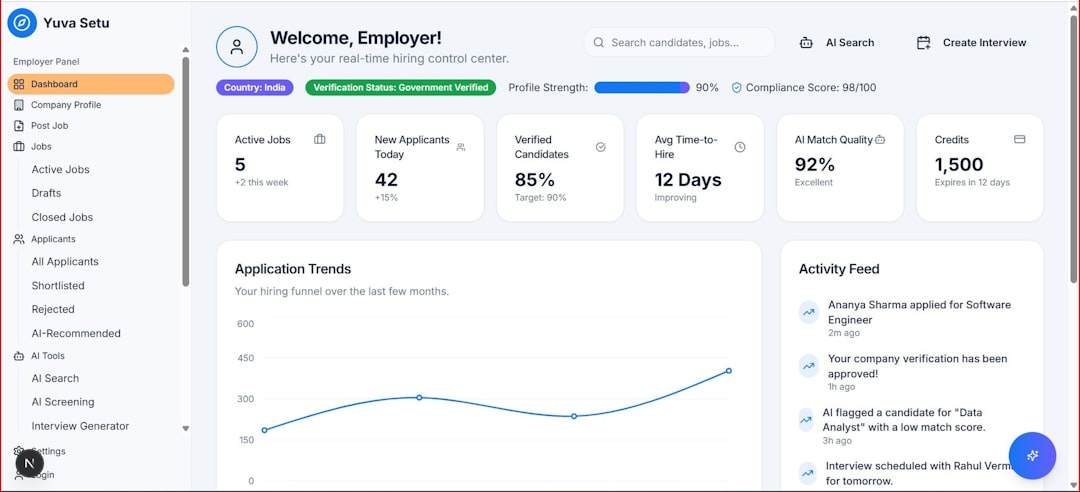
Below is a practical sample agenda for a leadership team running a 90-minute L10 Meeting:
| Time | Agenda Item | Purpose |
|---|---|---|
| 0:00–0:05 | Segue | Share brief personal and business good news |
| 0:05–0:10 | Scorecard | Review weekly numbers and flag exceptions |
| 0:10–0:15 | Rocks | Confirm quarterly priorities are on or off track |
| 0:15–0:20 | Headlines | Share key customer and employee updates |
| 0:20–0:25 | To Dos | Review last week’s assigned actions |
| 0:25–1:25 | IDS | Identify, discuss, and solve priority issues |
| 1:25–1:30 | Conclude | Recap actions, messages, and rate the meeting |
Understanding IDS: Identify, Discuss, Solve
IDS is the most valuable part of the L10 Meeting. It prevents the team from treating symptoms instead of root causes.
- Identify: Clarify the real issue. A surface complaint such as “sales is missing targets” may actually be a pricing, staffing, lead quality, or process issue.
- Discuss: Debate only what is necessary. The goal is not to let everyone repeat opinions, but to uncover relevant facts and options.
- Solve: Decide on the next action, assign an owner, and move forward. A solved issue should result in a decision, a to do, or a clear conclusion.
The discipline of IDS is what separates a productive L10 from a status meeting. If the team only reports updates but does not solve issues, the meeting will quickly lose credibility.
Who Should Attend an L10 Meeting?
A leadership L10 should include the people who are accountable for major functions of the business. This often includes the owner, integrator or general manager, heads of sales, operations, finance, marketing, and people or HR.
The group should be small enough to make decisions efficiently, but complete enough to solve cross-functional issues. If too many people attend, the discussion becomes slow. If too few attend, the team may lack the authority or information needed to resolve meaningful problems.
Common Mistakes to Avoid
Organizations often weaken their L10 Meetings by drifting away from the format. The structure may feel strict at first, but that consistency is what creates results.
- Turning the meeting into a reporting session: Updates should be short. Solving issues is the priority.
- Skipping the scorecard: Without measurable data, the team may rely too heavily on opinions.
- Discussing every issue: Prioritize the most important issues first. Do not work from the list randomly.
- Accepting vague to dos: Every action should have one owner and a clear completion standard.
- Failing to rate the meeting: The final score creates feedback and encourages continuous improvement.

How to Know If Your L10 Is Working
A strong L10 Meeting should create visible improvements in how the business operates. Meetings should end with decisions, not confusion. To dos should be completed at a high rate. Scorecard metrics should become more reliable. Most importantly, recurring issues should decline as the team gets better at solving root causes.
One useful benchmark is to track the percentage of completed to dos each week. If the team consistently completes 90% or more, accountability is likely strong. If completion falls below 70%, the team may be assigning unclear actions, taking on too much, or failing to treat commitments seriously.
Final Thoughts
An L10 Meeting is not a magic solution, but it is a powerful management discipline when used consistently. Its strength comes from a simple promise: every week, the leadership team will review what matters, confront what is not working, and leave with clear actions.
For organizations running on EOS, the L10 Meeting becomes the heartbeat of execution. It keeps priorities visible, makes problems harder to ignore, and gives leadership teams a practical way to build trust through follow-through. When the format is respected, the meeting earns its name: a meeting worth rating 10 out of 10.