Choose Brandwatch if your brand reputation lives mostly on social media. Choose Meltwater if your reputation depends on press coverage, PR, journalists, news sites, and executive reporting. Both tools measure reputation. They just see the world through different windows.
TLDR: Brandwatch is stronger for deep social listening, audience insights, sentiment trends, and consumer chatter. Meltwater is stronger for media monitoring, PR coverage, earned media reports, and tracking what journalists say. For example, a skincare brand tracking 50,000 TikTok, Instagram, Reddit, and X mentions may prefer Brandwatch, while a bank tracking 600 news articles and 120 broadcast clips may prefer Meltwater. If negative sentiment jumps from 12% to 31% in one week, both tools can help, but they explain the problem in different ways.
What does “measuring reputation” actually mean?
Brand reputation sounds fancy. It is not.
It means answering simple questions:
- Do people trust us?
- Are people saying good or bad things?
- Who is talking about us?
- Where is the talk happening?
- Is the tone getting better or worse?
- Are we being compared to competitors?
- Did our campaign help or hurt?
A good reputation tool turns messy noise into clear signals. It tracks mentions. It scores sentiment. It spots spikes. It shows themes. It tells you if people are angry about price, quality, service, ethics, or that one weird ad nobody asked for.
Brandwatch: best for social reputation and consumer opinion
Brandwatch is built for listening to people online. Not just articles. Not just press. Real people. Real posts. Real complaints. Real praise. Real chaos.
It is especially useful for brands that care about:
- Social media sentiment
- Consumer trends
- Audience segments
- Influencer impact
- Forum discussions
- Competitor comparisons
- Campaign reaction
Brandwatch can help you see why sentiment changed. Maybe negative chatter grew after a price increase. Maybe a product defect went viral. Maybe customers keep using the same angry phrase. That phrase matters. It gives your team language to fix the issue.
For example, say a fitness app launches a new subscription plan. Brandwatch might show:
- Mentions rose by 180% in 48 hours.
- Negative sentiment moved from 18% to 46%.
- The top complaint was “hidden fees.”
- Reddit and X drove most of the anger.
- Instagram comments stayed mostly neutral.
That is useful. Very useful. It tells the brand where the fire started.
Honestly, it feels like Brandwatch is made for teams that enjoy slicing data into tiny pieces. By age group. By region. By interest. By channel. By topic. That is great for analysts. It can feel like homework for smaller teams.
Meltwater: best for PR reputation and media coverage
Meltwater is more PR-friendly. It tracks how your brand appears in news, blogs, broadcasts, podcasts, and social channels. It is strong when reputation is shaped by reporters, publications, and public statements.
It is especially useful for:
- PR teams
- Corporate communications
- Public affairs
- Crisis communications
- Executive reputation tracking
- Media relations
- Press coverage reports
Meltwater helps answer questions like:
- Which outlets covered us?
- Was the coverage positive, neutral, or negative?
- Which journalists mentioned us?
- How much reach did the coverage get?
- Did our press release gain pickup?
- Are competitors getting better media attention?
Imagine a food delivery company faces a worker pay scandal. Meltwater could show:
- 320 news mentions in one week.
- 68% neutral coverage.
- 22% negative coverage.
- 10% positive coverage.
- Three national newspapers drove most reach.
- One union spokesperson appeared in 40 articles.
That kind of view is gold for PR teams. It shows the media story. It also shows who is shaping it.
It can be annoying when media reports take a few extra clicks to clean up. Some articles may be duplicates. Some sentiment tags may feel off. Expect to tweak the data before showing it to your CEO.

Brandwatch vs Meltwater: quick comparison
| Category | Brandwatch | Meltwater |
|---|---|---|
| Best use | Social listening and consumer insights | Media monitoring and PR reporting |
| Strong channels | Social platforms, forums, blogs, online chatter | News, broadcast, online media, PR sources, social |
| Best users | Marketing, insights, social teams | PR, comms, media relations teams |
| Reputation angle | What people feel | What the media says |
| Reporting style | Deep analysis and segmentation | Clear media summaries and coverage reports |
How to measure brand reputation with either tool
Do not just count mentions. That is a rookie trap.
A brand with 100,000 mentions can still be hated. A brand with 2,000 mentions can be adored. Volume is only one piece.
Use this simple scorecard:
- Volume: How many people or outlets mention you?
- Sentiment: Is the tone positive, neutral, or negative?
- Share of voice: How often are you mentioned against competitors?
- Reach: How many people may have seen the content?
- Topic clusters: What are people talking about?
- Source quality: Is it a top newspaper or a random bot account?
- Trend direction: Is trust going up or down?
Here is a simple example.
A hotel chain tracks reputation for one month:
- Brand mentions: 24,000
- Positive sentiment: 54%
- Neutral sentiment: 31%
- Negative sentiment: 15%
- Main positive topic: “friendly staff”
- Main negative topic: “dirty rooms”
- Competitor share of voice: the brand ranks second out of five
That tells a clear story. People like the staff. They hate the rooms. Fix the rooms. Praise the staff. Track again next month.
Sentiment is helpful, but not magic
Sentiment scoring is useful. It is also imperfect.
Sarcasm can break it. Slang can confuse it. A sentence like “Great, another fee” may be tagged as positive if the tool misses the sarcasm. That is why humans still matter.
Use automated sentiment as a compass. Not as a judge with a wig and tiny hammer.
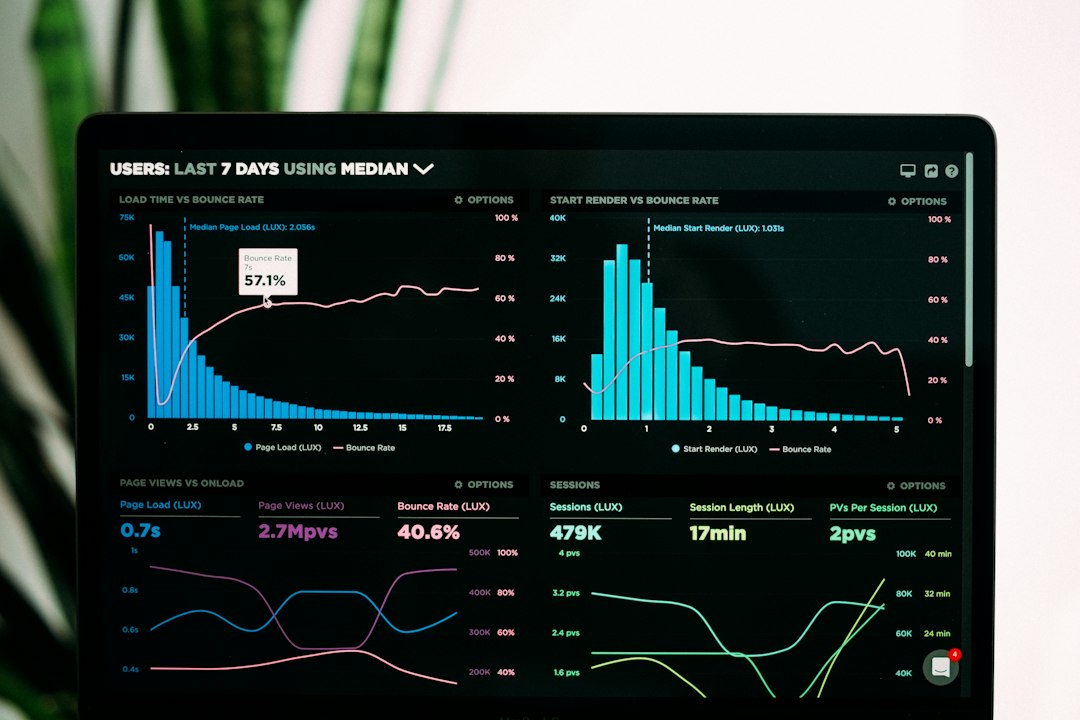
Brandwatch often gives stronger tools for digging into why sentiment changed across social channels. Meltwater often gives stronger tools for explaining how a story spread through media channels.
Which tool is better for crisis tracking?
For a social media crisis, Brandwatch often wins.
If a hashtag explodes at 9:00 a.m., you need speed. You need source tracking. You need to know who started the wave. You need to see if TikTok, Reddit, or X is driving anger.
For a media crisis, Meltwater often wins.
If a reporter publishes a damaging story, you need coverage tracking. You need journalist lists. You need pickup reports. You need to know if the story reached trade media, national press, or TV.
Some large teams use both. That is not overkill if the brand is big enough. Social chatter and press coverage are not the same animal.
Which tool is easier to explain to leadership?
Meltwater may be easier for board reports and PR updates. Its coverage reports feel familiar. Executives understand headlines, reach, outlet names, and tone.
Brandwatch can be more powerful for insight teams. But the reports may need more translation. A chart with 18 filters may thrill an analyst. It may scare a CFO.
Keep leadership reports simple:
- Reputation score this month
- Change from last month
- Top positive driver
- Top negative driver
- Biggest risk
- Recommended action
Final verdict
Pick Brandwatch if you need rich social listening, audience analysis, trend spotting, and deep consumer opinion data. It is the better fit for brands that live or die by online communities.
Pick Meltwater if you need media monitoring, PR reporting, journalist tracking, and coverage analysis. It is the better fit for brands that care about press, public affairs, and executive visibility.
The best choice depends on where your reputation is built. If customers shape it in comments, posts, and forums, go with Brandwatch. If journalists, publications, and press stories shape it, go with Meltwater.
Simple rule: Brandwatch listens to the crowd. Meltwater watches the media. Your brand may need one. Your brand may need both.