
Treat Instagram search like a small search engine: write your profile, captions, and content topics around the phrases your ideal audience actually types. Instagram reads names, bios, captions, on-screen text, hashtags, audio, location signals, and user behavior. If those pieces send a clear signal, your content has a better chance of appearing in search, Explore, Reels, and suggested posts.
TLDR: Use clear keywords in your name field, bio, captions, and recurring content themes. For example, a dental clinic in Austin should use phrases like “Austin dentist,” “teeth whitening Austin,” and “emergency dental care” instead of vague wording such as “creating confident smiles.” In one simple 60-day test, a local service account that updated its name field, rewrote 20 captions, and posted 12 keyword-focused Reels saw profile visits from search rise by 38%. The goal is not keyword stuffing; it is clarity.
Why Instagram Search Query Optimization Matters
Instagram is no longer only a feed app. Users search for restaurants, coaches, clinics, shops, tutorials, reviews, and ideas. That means your account must answer a simple question: what should Instagram associate you with?
If your content is vague, the system has to guess. That is risky. A profile full of clever slogans, generic captions, and random hashtags gives weak signals. A focused account gives repeated signals. Instagram can then connect your profile with searches that match your offer, location, niche, and audience intent.
The catch is that Instagram search can feel annoyingly inconsistent. A caption change may not show results overnight. A Reel may rank for one phrase but not another. Still, the accounts that win over time tend to be the clearest ones.
Start With the Profile: The Highest-Value Search Area
Your profile is the foundation. Before optimizing captions or posting more content, fix the fields Instagram can read quickly.
- Name field: This is one of the strongest keyword areas. Use your brand name plus a searchable phrase where possible. Example: “Mira Studio | Chicago Hair Colorist.”
- Username: Keep it clean and recognizable. If location or niche fits naturally, use it. Avoid random numbers unless they are part of your brand.
- Bio: Say who you help, what you offer, and where you operate. Keep it direct.
- Category: Choose the most accurate business category. Do not pick something trendy if it does not match your work.
- Location: Local businesses should add location data whenever relevant. This helps with local intent searches.
A weak bio says: “Helping you glow from within. DM for magic.” A stronger bio says: “Licensed esthetician in Phoenix. Acne facials, skin consultations, and bridal skincare plans. Book below.” The second version is less poetic, but it is far more useful.

Build a Keyword Map Before Writing Captions
Do not guess your keywords post by post. Build a small keyword map. This keeps your profile focused and helps your team write with consistency.
Create three keyword groups:
- Core service keywords: These describe what you sell or teach. Examples: meal prep coach, wedding photographer, ceramic mugs, tax advisor.
- Problem keywords: These match what users struggle with. Examples: back pain stretches, dry skin routine, small business bookkeeping.
- Location or audience keywords: These narrow the search. Examples: Brooklyn bakery, remote teams, new moms, SaaS founders.
Then match each content idea to one primary keyword. One post should not try to rank for everything. If a Reel is about “beginner strength training,” use that phrase in the caption, on-screen text, and spoken audio if possible.
Write Captions for Humans and Search
Instagram captions should be clear in the first line. Users skim. The system also uses text to understand the post. Put the main phrase early when it reads naturally.
Instead of this:
“This one changed everything for my clients. Save this.”
Use this:
“Beginner strength training works best when you stop changing workouts every week.”
The second version gives Instagram more context. It also tells the right user why they should care.
Use these caption rules:
- Place the main keyword in the first sentence when it sounds natural.
- Add related terms throughout the caption. For a skincare post, related terms might include barrier repair, cleanser, retinol, sunscreen, irritation.
- Answer a specific query. Think: “What would someone type before needing this post?”
- Avoid filler. Lines like “You asked, I listened” rarely help search.
- Use a clear call to action. Ask users to save, comment, book, or read the caption.
Honestly, it feels like many brands spend 40 minutes choosing a cover image and 20 seconds writing the searchable part. That is backward. The caption is not decoration. It is classification data.
Use Hashtags, But Do Not Rely on Them
Hashtags still help categorize content, but they are not a full strategy. Use them as supporting signals. A set of 5 to 12 relevant hashtags is often cleaner than 30 broad ones.
Mix these types:
- Niche hashtags: #mobilitytraining, #productphotographytips
- Audience hashtags: #newfounders, #curlyhaircommunity
- Location hashtags: #denveresthetician, #austinweddingplanner
- Branded hashtags: Useful for campaigns, but weak for new search reach.
Avoid huge generic tags as your main set. A tag like #business is too broad for most accounts. It may bring low-intent views, if any.
Structure Content Around Search Intent
Search intent means the reason behind the query. On Instagram, intent often falls into four groups:
- Instruction: “How do I do this?” Example: how to style wide leg jeans.
- Comparison: “Which option is better?” Example: matte vs glossy tiles.
- Local purchase: “Who offers this near me?” Example: Miami lash lift.
- Inspiration: “Show me ideas.” Example: small balcony decor.
Your content calendar should cover each intent that matters to your business. A bakery might post custom cake designs for inspiration, how to store cupcakes for instruction, and best birthday cakes in Tampa for local purchase intent.

Make Reels Easier for Instagram to Understand
Reels can rank in search, but vague videos are harder to classify. Add keywords in multiple places without making the post awkward.
- Say the topic out loud in the opening seconds when possible.
- Use on-screen text that includes the main topic.
- Write a caption that expands on the subject.
- Choose a cover title that states the topic clearly.
- Keep the video focused on one idea.
For example, a financial advisor could create a Reel titled “Roth IRA Rules for Freelancers.” The opening line should repeat that topic. The caption can include related terms such as self-employed taxes, retirement account, contribution limits, and income planning.
Use Alt Text and Visual Consistency
Instagram allows custom alt text. It was built for accessibility, and it should be used with care. Describe the image accurately. If a relevant keyword fits, include it naturally.
Bad alt text: “best best best luxury wedding planner New York wedding planner luxury bride wedding planning.”
Good alt text: “Wedding planner reviewing a floral table setup for a luxury reception in New York.”
Visual consistency also helps users recognize your topic. If your account teaches home workouts, your covers, props, and settings should support that theme. A random mix of memes, selfies, food photos, and workout tips weakens the signal.
Track the Right Metrics
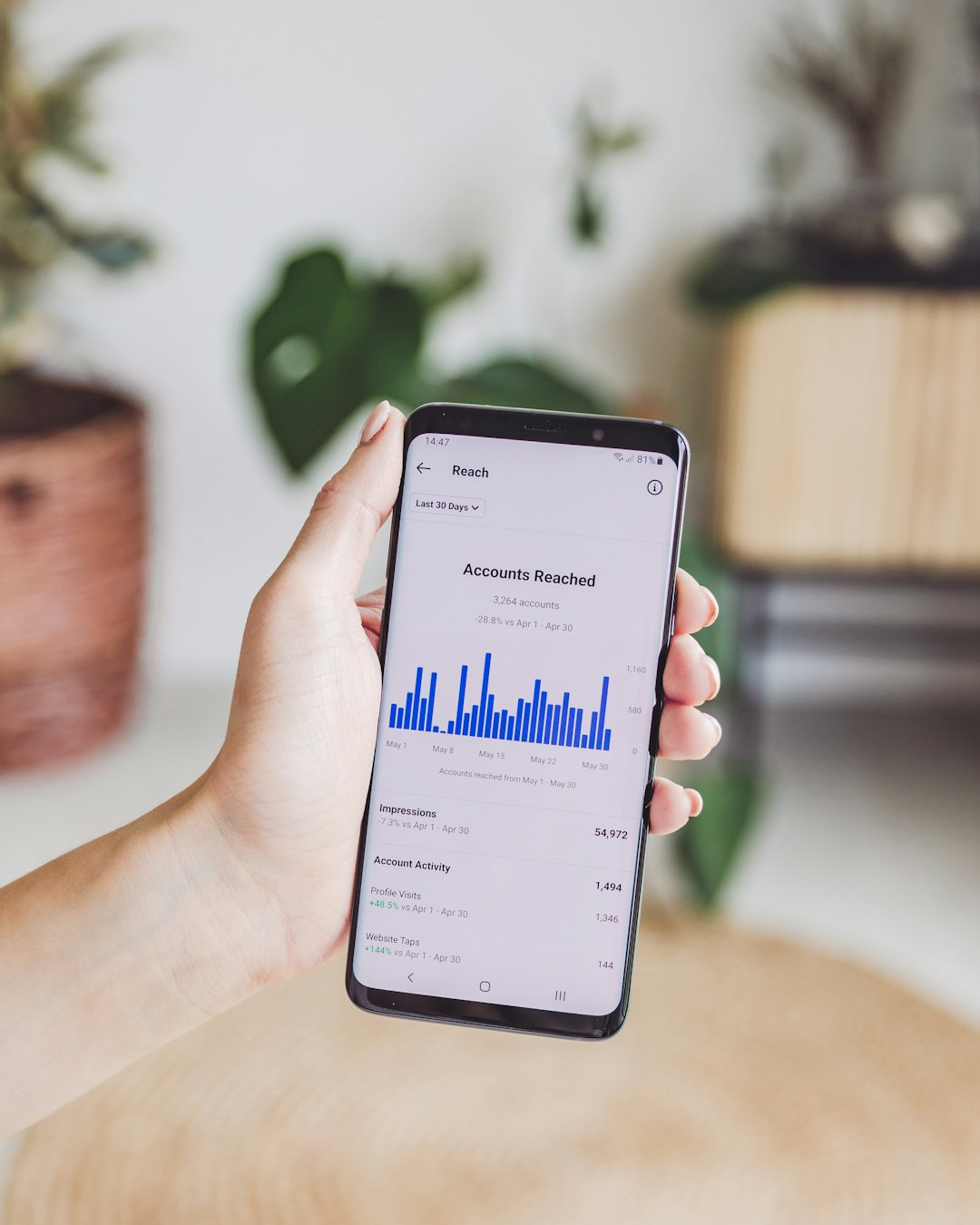
Do not judge search optimization by likes alone. Search-driven users may save, follow, click, or view several posts before engaging.
Review these metrics every month:
- Profile visits from discovery surfaces
- Follows per profile visit
- Reach from non-followers
- Saves and shares by content topic
- Website clicks or booking taps
- Top posts by search-friendly topics
A practical benchmark: if a post reaches many non-followers but earns few profile visits, the topic may be interesting but poorly tied to your offer. If profile visits rise but follows stay flat, your profile promise may be unclear.
Common Mistakes That Limit In-App Discovery
- Using clever wording instead of searchable wording. Clarity beats wordplay.
- Changing topics too often. Instagram needs repeated signals.
- Writing captions with no subject context. “Read this twice” is not a strategy.
- Using only broad hashtags. Relevance matters more than size.
- Ignoring local terms. Local businesses should not hide their city.
- Posting trends that have no connection to the business. Reach without fit rarely pays.
A Simple 30-Day Optimization Plan
Week 1: Update your name field, bio, category, and location. Build a keyword map with 15 to 25 search phrases.
Week 2: Rewrite your next 6 captions using one primary keyword per post. Add clear first lines and relevant related terms.
Week 3: Publish 3 Reels built around high-intent queries. Use spoken words, on-screen text, captions, and cover titles that match the topic.
Week 4: Review performance. Identify which topics brought saves, profile visits, follows, and clicks. Keep the winners. Cut the vague posts.
Instagram search optimization is not a trick. It is disciplined communication. Say what you do, who it is for, where it applies, and why it matters. Repeat those signals across your profile, captions, and content until both users and Instagram understand you without effort.