
AI-powered creative studios are becoming the fastest way to move from idea to finished asset without waiting days for edits, mockups, scripts, or campaign variations. They combine video tools, image generation, copywriting, brand controls, analytics, and automation in one workspace, so creative teams can produce more work with fewer delays.
TLDR: AI-powered creative studios help teams create videos, designs, ads, social posts, and product content much faster while keeping brand style consistent. A small ecommerce team, for example, could turn one product brief into 12 ad concepts, 5 short videos, and 30 social captions in a single afternoon instead of a full week. Some teams report cutting first-draft production time by 40% to 70%, especially for repetitive creative tasks. The best results still come from humans setting the idea, taste, and final approval.
What Is an AI-Powered Creative Studio?
An AI-powered creative studio is a platform or connected set of tools that helps create visual, written, and video content using artificial intelligence. Think of it as a production room where strategy, design, editing, copy, and testing sit close together.
Instead of opening five separate apps, a user can type a brief such as: “Create a 15-second video ad for a new running shoe, aimed at first-time marathon runners, with a bold and energetic tone.” The system can suggest scenes, write a script, generate voiceover, create product visuals, add captions, resize for social platforms, and produce alternate versions.
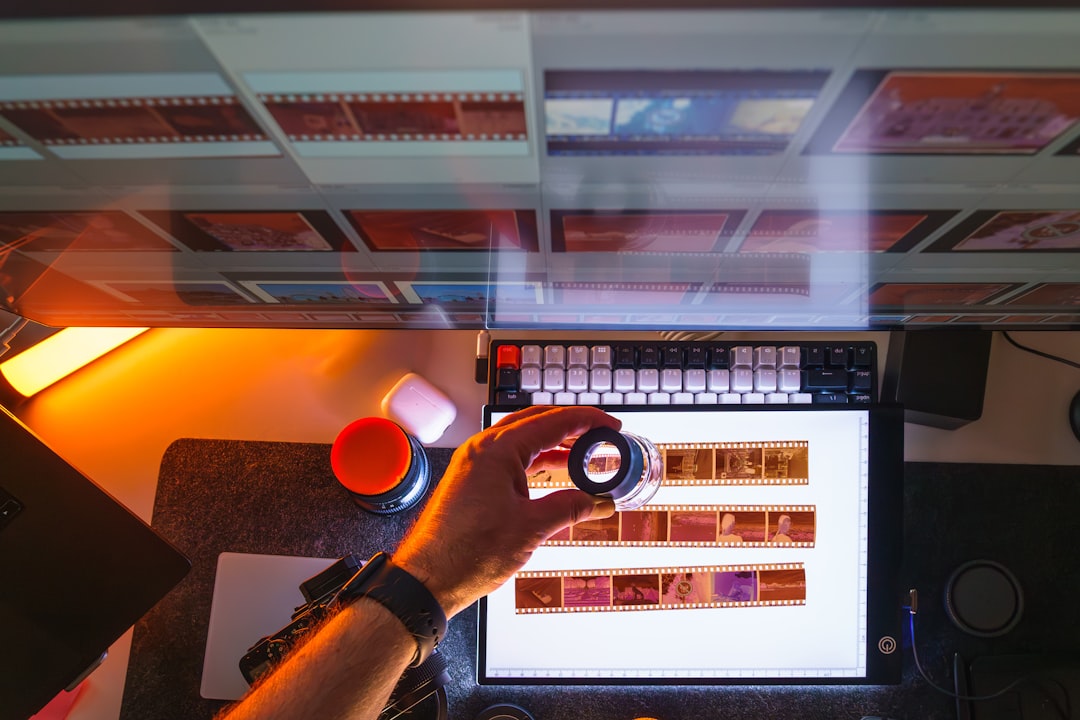
This does not mean the software magically knows what is good. It means it can remove blank-page panic, speed up boring tasks, and help teams test more ideas. The human still decides what feels sharp, original, useful, and on-brand.
How AI Is Changing Video Production
Video used to be slow and expensive. A basic campaign video often needed a scriptwriter, storyboard artist, editor, voice actor, motion designer, and several rounds of review. AI has not removed those skills, but it has changed where time gets spent.
Creative teams now use AI to:
- Generate scripts from campaign briefs or product pages.
- Create storyboards before filming or animation starts.
- Produce synthetic voiceovers in different tones and languages.
- Cut long videos into short clips for TikTok, Instagram, YouTube Shorts, and ads.
- Add subtitles and translations without manual transcription.
- Test alternate hooks for the first three seconds of a video.
The biggest shift is volume. A team no longer has to bet everything on one polished ad. It can create ten versions, test them, and polish the winner. That matters because small changes can make a big difference. A new opening line, faster first cut, or clearer caption can lift completion rates and clicks.
The annoying part? Many tools still make tiny edits harder than they should be. It drives me crazy that changing one hand gesture, logo position, or pronunciation can take longer than generating the entire first draft. AI gets you close fast, but fine control still separates useful tools from flashy demos.
Design Workflows Are Getting Shorter
Design teams spend a lot of time resizing, reformatting, and adapting assets. A single campaign may need banners, email headers, thumbnails, social posts, presentation slides, and display ads. AI can turn one approved direction into many usable formats.
For designers, the value is not just speed. It is also exploration. Instead of creating three rough concepts for a client meeting, a designer can generate thirty mood directions, then choose the strongest five. This helps teams compare color systems, typography, composition, and tone before committing to production.
AI can also support brand consistency. A good creative studio can store brand colors, logo rules, fonts, approved product shots, tone guidelines, image styles, and legal disclaimers. That reduces the usual mess where one team uses outdated colors, another stretches the logo, and someone else uploads a blurry image into a national campaign.
Still, AI design output needs review. It may create strange hands, odd shadows, fake product details, or text that looks almost right but fails at close range. Designers become editors, art directors, and quality guards. Their taste matters more, not less.
Content Creation Becomes More Modular
AI is also changing how teams make written and visual content. Blog posts, newsletters, product descriptions, landing pages, paid ads, and social captions can now be created from shared source material.
For example, a product launch brief can become:
- A landing page outline.
- Five email subject lines.
- Three short video scripts.
- Ten social media posts.
- A sales one-pager.
- A list of FAQ answers for customer support.
This modular approach helps teams avoid repeating the same work. The message stays aligned, but the format changes. That is useful for brands that need to show up across many channels without sounding scattered.
Honestly, it feels like content teams have been drowning in versioning work for years. Change a product claim in one place, then update the ad, the email, the caption, the web page, and the sales deck. AI can help track and rewrite those related pieces faster, though humans still need to confirm accuracy.
Marketing Gets Faster Feedback
Marketing is where AI-powered creative studios often prove their value first. Campaigns depend on speed, testing, and iteration. AI supports all three.
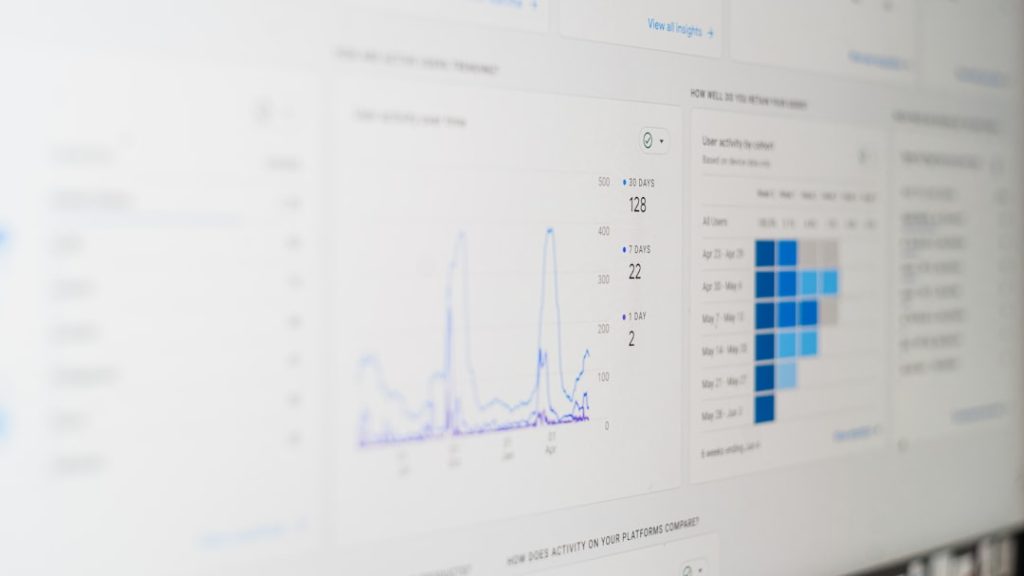
A marketer can create multiple ad versions for different audiences. One version may focus on price. Another may highlight quality. A third may speak to time savings. AI can generate copy and visual options for each segment, then analytics can show which message performs best.
This creates a tighter loop:
- Create several campaign assets.
- Launch small tests across channels.
- Measure clicks, watch time, conversions, and cost per result.
- Refine the strongest ideas.
- Scale the winners.
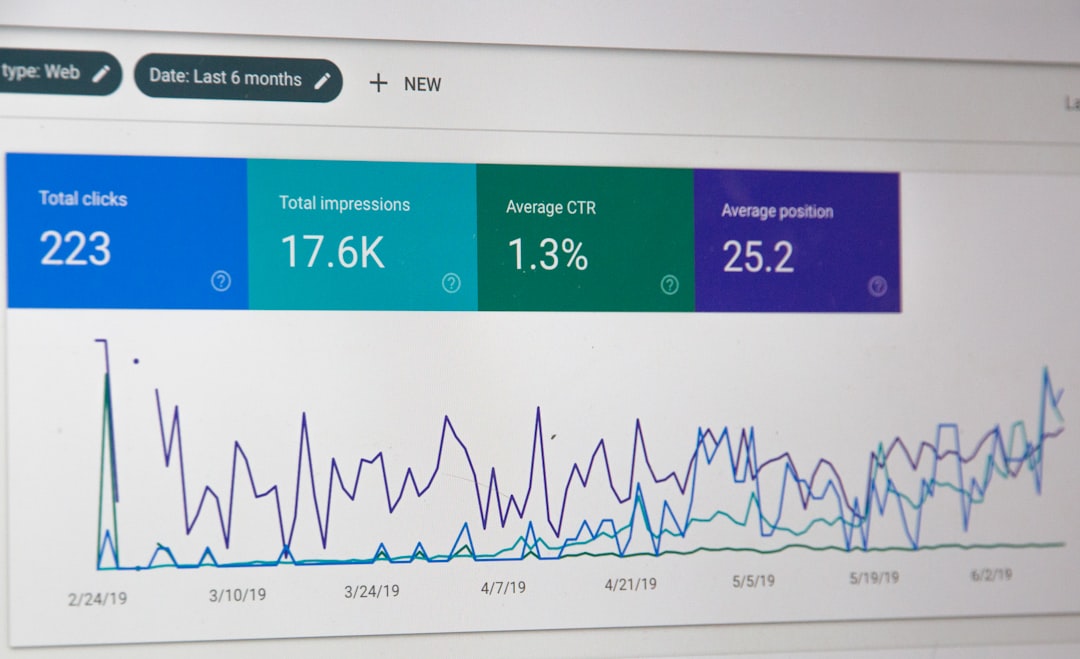
Before AI, this process could take weeks. Now, a lean team can test dozens of ideas in days. The gain is not only cheaper content. It is better learning. Brands can see what customers respond to before spending heavily.
Where Humans Still Matter Most
AI can produce a lot, but more content is not always better. Bad creative at high volume is still bad creative. Sometimes it is worse because it floods every channel with forgettable noise.
Humans are still needed for:
- Strategy: deciding what the brand should say and why.
- Taste: knowing what feels fresh, credible, or cheap.
- Ethics: avoiding misleading images, fake claims, and harmful stereotypes.
- Accuracy: checking facts, product details, prices, and legal language.
- Emotion: shaping stories that people actually care about.
The best studios treat AI as a production partner, not a creative boss. They use it to draft, remix, translate, resize, and test. Then people sharpen the message and make the final call.
What to Look For in an AI Creative Studio
Not every tool is worth the subscription. Some look impressive in demos but become clumsy during daily work. When choosing a platform, teams should look for practical strengths.
- Brand controls for fonts, colors, logos, tone, and reusable templates.
- Editable outputs so users can change details without starting over.
- Collaboration features for comments, approvals, and version history.
- Multi-format export for video, image, text, social, email, and ads.
- Rights and safety tools to reduce copyright, privacy, and compliance risks.
- Analytics connections so creative performance can shape the next version.
Expect to waste time on tools that generate pretty drafts but offer weak editing. A real studio needs control after generation. Otherwise the team ends up rebuilding everything by hand, which defeats the whole point.
The Future of Creative Production
AI-powered creative studios are pushing creative work toward faster cycles, smaller teams, and more testing. The old model favored big launches and long production timelines. The new model favors quick prototypes, audience feedback, and constant improvement.
This shift will not remove creative professionals. It will change their roles. Editors may become prompt-driven storytellers. Designers may become system builders. Marketers may become rapid experiment managers. Writers may spend less time drafting basic variations and more time shaping voice, argument, and originality.
The strongest teams will use AI to speed up the dull parts while protecting the human parts that make work memorable. That balance is the real advantage. AI can generate the options. People still choose the idea worth sharing.