
Gout usually hits fast, hot, and brutally in one joint, while arthritis symptoms often build more slowly or follow a repeating pattern across several joints. That is the quickest way to separate them. Arthritis is also not one disease. It is a broad group of joint conditions that affects about 58.5 million U.S. adults, according to CDC data [source: CDC].
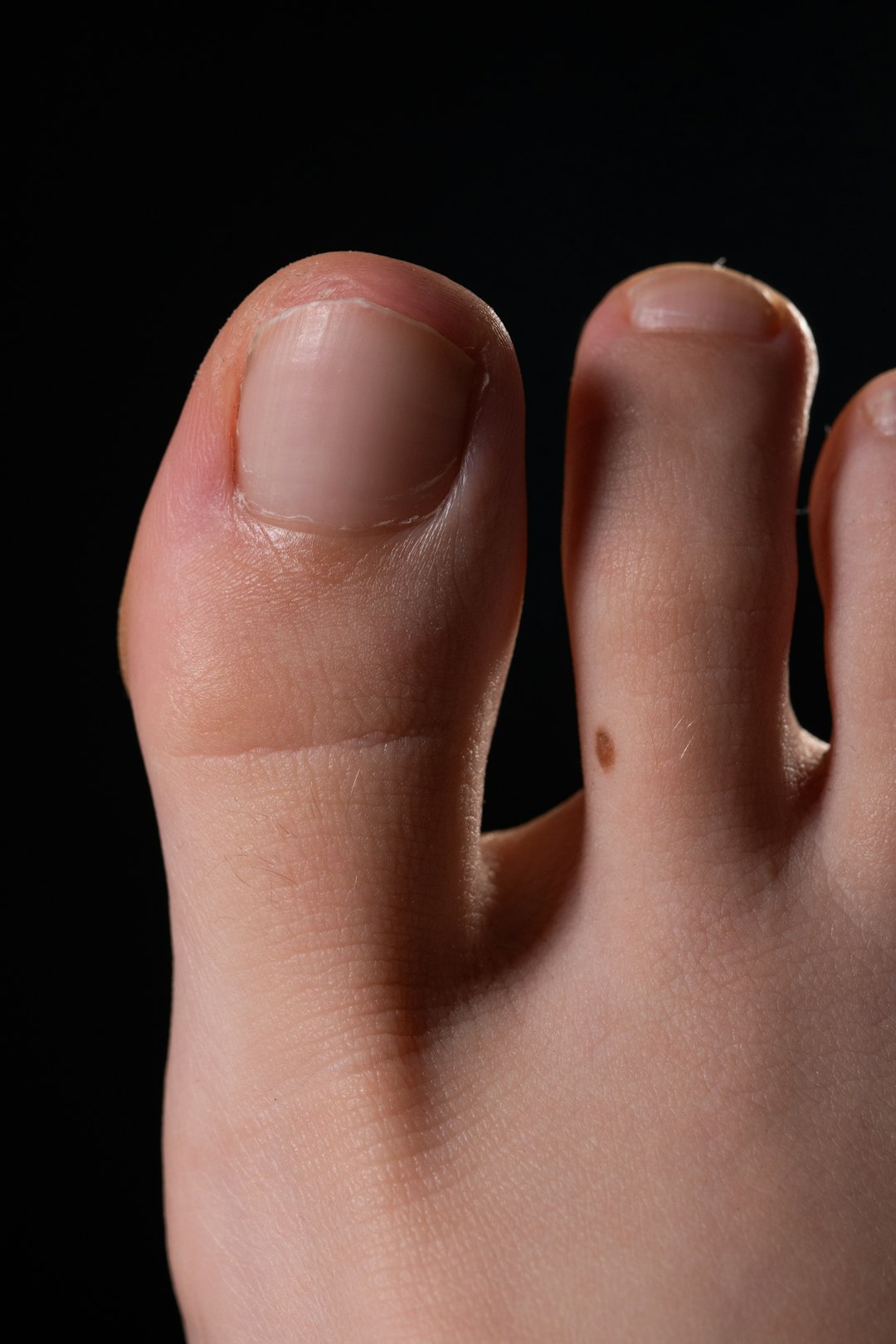
TLDR: Gout is a type of arthritis, but its symptoms are often more sudden and intense than osteoarthritis or rheumatoid arthritis. A classic example is waking at 2 a.m. with a big toe so painful that even a bedsheet feels unbearable. Osteoarthritis may cause daily knee pain that worsens after walking, while rheumatoid arthritis often causes both hands to feel stiff for more than an hour in the morning. If a joint is red, hot, swollen, and pain peaks within 24 hours, gout should be high on the suspect list.
Gout vs. Arthritis: The Simple Difference
Gout is one form of inflammatory arthritis. So the phrase “gout vs arthritis” is a little tricky. It is more accurate to compare gout symptoms with symptoms of other common arthritis types, such as osteoarthritis, rheumatoid arthritis, and psoriatic arthritis.
Gout happens when uric acid crystals collect in a joint. The immune system reacts hard. The result can feel shocking. People often describe it as stabbing, burning, or crushing pain.
Other arthritis types may come from worn cartilage, immune system activity, inflammation, injury, infection, or another medical condition. Their symptoms can overlap with gout, which is why people get confused. Honestly, it feels pretty unfair that one swollen toe can mean anything from gout to infection to trauma.
Key Gout Symptoms
Gout has a few signature clues. Not every person has every sign, but the pattern is often recognizable.
- Sudden onset: Pain often starts quickly, sometimes overnight.
- Severe pain: The joint may feel unbearable to touch.
- Redness and heat: The skin over the joint may look shiny, red, or purple.
- Swelling: The joint can balloon up fast.
- Common first location: The big toe is classic, but gout can affect ankles, knees, wrists, fingers, and elbows.
- Flares: Attacks may last days to weeks, then fade.
- Normal periods: Between flares, the joint may feel fine.
A gout flare often peaks within the first 24 hours. That speed matters. Osteoarthritis rarely explodes that fast unless there is an injury. Rheumatoid arthritis usually has a broader pattern and tends to involve more than one joint.
Common Arthritis Symptoms That Are Not Always Gout
Arthritis symptoms can be sneaky. They may creep in slowly, then become part of daily life. That slow change is one reason people wait too long to ask for help.
Osteoarthritis is the wear-and-tear type many people think of first. It often affects knees, hips, hands, spine, and big toe joints. Symptoms may include:
- Pain that gets worse with activity
- Stiffness after rest
- Morning stiffness that usually eases within 30 minutes
- Grinding, clicking, or reduced range of motion
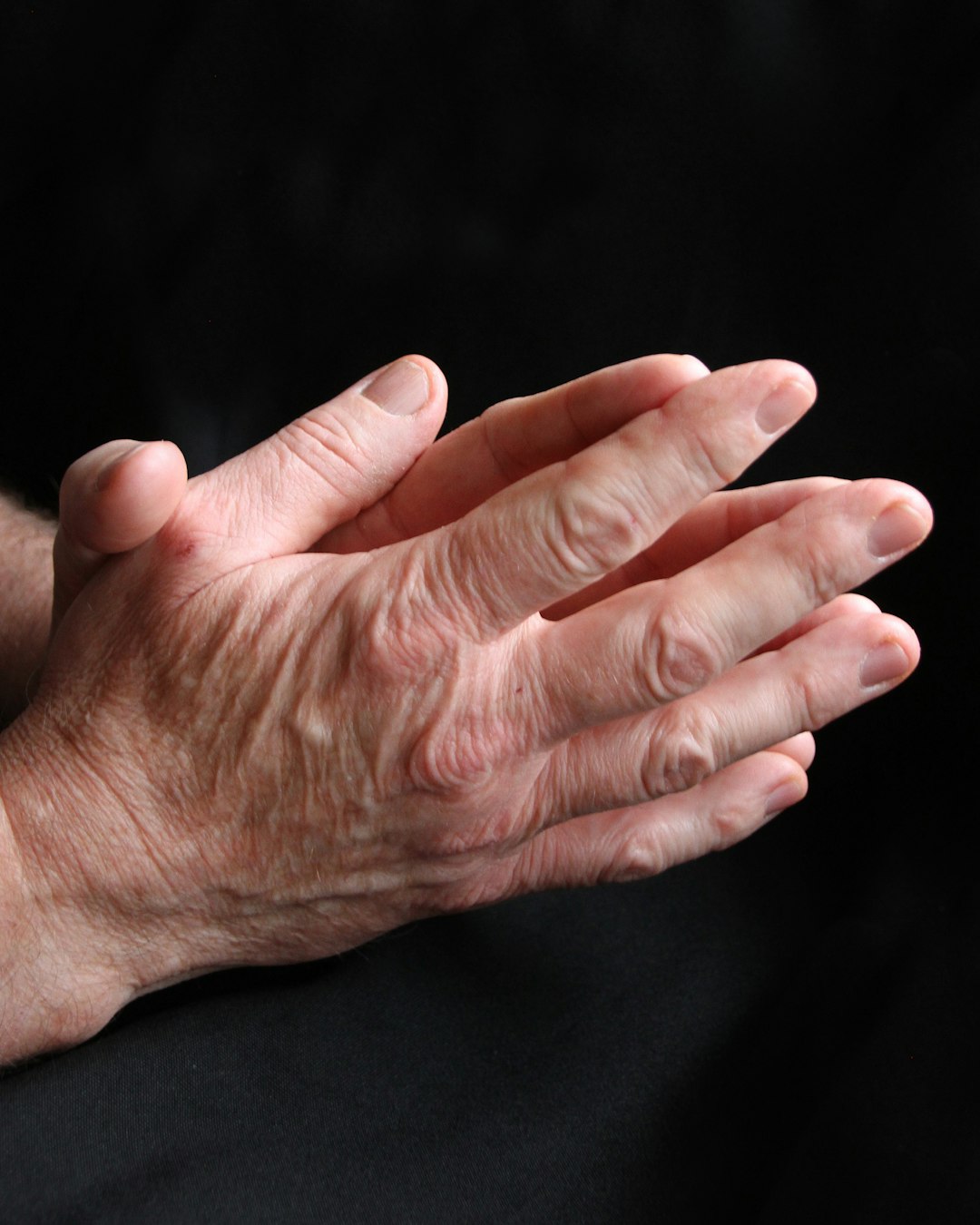
- Bony bumps near finger joints
Rheumatoid arthritis is different. It is an autoimmune condition. The immune system attacks joint lining, causing inflammation. Symptoms often include:
- Swelling in the same joints on both sides of the body
- Morning stiffness lasting more than 60 minutes
- Warm, tender joints
- Fatigue, low fever, or general unwell feeling
- Hand, wrist, and foot involvement
Psoriatic arthritis can appear in people with psoriasis, though skin symptoms may come first or later. It may cause swollen fingers or toes, nail pitting, heel pain, and joint stiffness.
Side-by-Side Symptom Comparison
| Feature | Gout | Other Common Arthritis Types |
|---|---|---|
| Onset | Sudden, often overnight | Usually gradual, except injury or infection |
| Pain intensity | Often extreme | Mild to severe, often more persistent |
| Typical joint pattern | Often one joint at a time | May affect several joints |
| Skin changes | Red, hot, shiny skin is common during a flare | Warmth and swelling may occur, but redness may be less dramatic |
| Morning stiffness | Not the main pattern | Common, especially in rheumatoid arthritis |
| Symptom rhythm | Flares with quiet periods | Often chronic, though symptoms may rise and fall |
Why Gout Is Often Mistaken for Other Problems
Gout can mimic injury, cellulitis, infection, rheumatoid arthritis, or a sprain. A swollen ankle may look like a sports injury. A red toe may look infected. A painful knee may be blamed on age.
The catch is that treating the wrong condition wastes time and may increase risk. For example, an infected joint needs urgent care. Gout needs a different plan. Osteoarthritis needs yet another one.
Doctors may check your symptoms, examine the joint, order blood tests, or remove a small amount of joint fluid. Seeing urate crystals in joint fluid is one of the clearest ways to confirm gout. Blood uric acid can help, but it is not perfect. Some people have high uric acid without gout. Others can have a gout flare with uric acid that looks normal that day.
Risk Clues That Point Toward Gout
Symptoms tell part of the story. Risk factors help fill in the rest.
- High uric acid levels
- Kidney disease or reduced kidney function
- Family history of gout
- Diuretic medications, often called water pills
- Higher intake of beer, spirits, red meat, organ meats, or some seafood
- Obesity or metabolic syndrome
- Dehydration
Rheumatoid arthritis may be more likely if symptoms are symmetrical, involve small joints of the hands and feet, and come with fatigue. Osteoarthritis may be more likely if pain worsens after activity and improves with rest.
When to Get Medical Help Fast
Do not assume every hot, swollen joint is gout. Some joint problems need urgent care.
- Fever with a swollen joint
- Severe pain after an injury
- A joint that is hot, red, and impossible to move
- New swelling in one joint with no clear cause
- Symptoms in a person with a weakened immune system
An infection inside a joint can damage tissue quickly. That is not something to wait out at home.

Treatment Differences Matter
Gout treatment usually has two goals: calm the flare and reduce future attacks. During a flare, clinicians may use anti-inflammatory medicines, colchicine, or corticosteroids. For repeated gout, long-term uric acid-lowering medicine may be recommended. Diet changes can help, but medication is often needed when flares keep coming back.
Osteoarthritis care may include exercise, weight management, physical therapy, pain relief medicines, braces, injections, or surgery in severe cases. Rheumatoid arthritis often needs disease-modifying drugs that target immune activity. Early treatment can reduce joint damage.
How to Recognize the Difference at Home
You cannot diagnose every joint problem by yourself, but you can observe the pattern.
- If pain erupts overnight in one red, hot joint: think gout, but rule out infection.
- If pain grows slowly and worsens with use: osteoarthritis is possible.
- If both hands or feet are stiff every morning: rheumatoid arthritis may fit.
- If fingers or toes swell like sausages: psoriatic arthritis may be a clue.
- If symptoms follow an injury: sprain, fracture, or tendon damage may be involved.
The most useful question is not “Is this gout or arthritis?” It is “What type of arthritis or joint problem matches this pattern?” Gout is famous for sudden, fiery flares. Other arthritis types tend to have broader, slower, or more symmetrical patterns. If the joint is hot, swollen, and intensely painful, get checked. Guessing can drag out pain and miss something serious.