Meta Ads is usually the better choice for gaining new newsletter subscribers fast, while Mailchimp is better for collecting, organizing, and warming those subscribers after they sign up. A business that wants fresh leads should treat Meta Ads as the traffic source and Mailchimp as the signup and retention system. Used together, they often beat either tool alone.
TLDR: Meta Ads wins for paid promotion because it can reach cold audiences, retarget visitors, and optimize for completed signup events. Mailchimp wins after the click, with landing pages, forms, tags, segments, and automated welcome emails. For example, a small finance newsletter spending $600 on Meta Ads might gain 420 subscribers at $1.43 each, then use Mailchimp automation to reach a 48% welcome email open rate. The smart setup is simple: Meta brings the right people in; Mailchimp keeps them engaged.
Meta Ads vs Mailchimp: The Quick Verdict
For newsletter signup growth, the two platforms should not be treated as equal rivals. They solve different problems.
- Meta Ads is built for discovery, targeting, retargeting, creative testing, and paid reach across Facebook and Instagram.
- Mailchimp is built for signup forms, audience management, email design, automations, and subscriber data.
If a newsletter has no audience yet, Mailchimp alone will not create demand. It can publish a landing page and host a form, but it will not magically send qualified readers to that page. That job belongs to paid media, organic content, partnerships, search, or referrals.
Meta Ads, on the other hand, can put a signup offer in front of thousands of targeted people in days. The catch is that Meta can burn money quickly when tracking, creative, or the offer is weak. It drives marketers crazy when a campaign gets clicks but no signups, especially when the landing page loads slowly or asks for too much information.

Where Meta Ads Performs Better
Meta Ads is strongest at audience acquisition. It gives newsletter publishers access to broad and niche audiences based on interests, behaviors, location, lookalike signals, engagement, and past website activity.
A newsletter about remote work, for example, can test ads aimed at startup employees, freelancers, HR managers, or people who follow productivity pages. The platform can then shift budget toward the groups most likely to sign up.
Meta also supports strong creative testing. One campaign can compare:
- Benefit-led hooks, such as “Get 5 remote job leads every Friday.”
- Problem-led hooks, such as “Tired of fake remote job posts?”
- Authority-led hooks, such as “Read by 12,000 remote workers.”
- Offer-led hooks, such as “Join free and get the salary checklist.”
That speed matters. A publisher can learn in one week which angle gets the cheapest signups. Mailchimp cannot provide that same paid discovery engine on its own.
Where Mailchimp Performs Better
Mailchimp is stronger after a person shows interest. It helps turn a raw signup into a real subscriber relationship.
Its value sits in the parts that happen after the ad click:
- Creating signup forms and landing pages.
- Storing subscriber data.
- Adding tags, groups, and segments.
- Sending welcome emails.
- Tracking opens, clicks, unsubscribes, and bounces.
- Sending campaigns based on subscriber behavior.
For newsletter growth, this matters more than many teams expect. A cheap signup is not always a good signup. If 1,000 people join but only 18% open the first issue, the campaign has a quality problem. Mailchimp helps spot that issue fast.
Honestly, it feels a bit annoying when teams judge ad performance only by cost per lead. A $0.70 subscriber who never opens an email is not a win. A $2.20 subscriber who clicks, replies, and buys later may be far more valuable.
Cost Comparison
Meta Ads and Mailchimp charge in very different ways.
| Platform | Main Cost | Best Use |
|---|---|---|
| Meta Ads | Ad spend based on impressions, clicks, or conversions | Finding new subscribers |
| Mailchimp | Monthly plan based on contacts, features, and sending needs | Managing and emailing subscribers |
A small newsletter might spend $300 to $1,000 per month on Meta Ads to test signup offers. Cost per subscriber can vary widely. A hobby newsletter may see signups at $0.80 to $3.00. A B2B newsletter may pay $4 to $15, especially in finance, software, or consulting niches.
Mailchimp costs rise as the list grows. That can surprise publishers. A founder may start with a small account, then see costs climb once the audience passes key contact limits. Still, the platform earns its place when automation and segmentation improve revenue per subscriber.
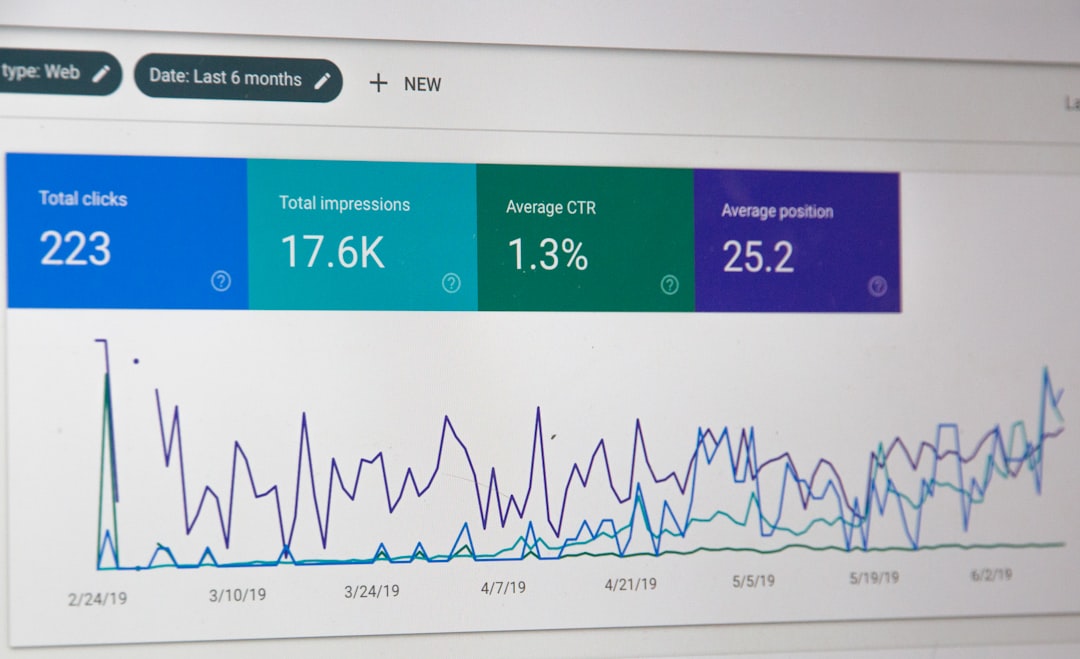
Tracking and Attribution
Tracking is where the comparison gets messy. Meta wants clean conversion data. Mailchimp wants clean subscriber records. The two do not always match perfectly.
A sensible setup usually includes:
- A dedicated landing page for the newsletter.
- Meta Pixel installed on the site where possible.
- A signup confirmation event or thank-you page.
- UTM tags on every ad.
- Mailchimp tags for campaign source and audience type.
This allows a publisher to answer better questions. Not just “How many joined?” but “Which ad produced engaged subscribers?”
For example, Campaign A may bring 300 subscribers at $1.10 each, but only 22% open the welcome email. Campaign B may bring 180 subscribers at $1.85 each, but 55% open the welcome email and 18% click the first issue. Campaign B is likely the better campaign.
Best Setup for Newsletter Signup Campaigns
The strongest setup uses Meta Ads for traffic and Mailchimp for conversion and retention.
- Create one clear offer. A newsletter should promise a specific benefit, not just “weekly updates.”
- Build a simple Mailchimp signup page or embedded form. Ask for an email address first. Extra fields can reduce signups.
- Run Meta Ads to targeted interest groups. Start with several creative angles.
- Track completed subscriptions. A click is not enough.
- Send a welcome email immediately. The first email should confirm value and invite a click.
- Review quality after seven days. Check opens, clicks, unsubscribes, and spam complaints.
The welcome email should not be an afterthought. It should remind the subscriber why they joined and point them to the best content. A good first email can lift future engagement and reduce unsubscribes.

When Mailchimp Alone Is Enough
Mailchimp alone can work when a brand already has traffic. A blogger with strong search traffic can place signup forms across popular posts. A business with an existing customer base can add newsletter prompts to checkout pages, receipts, webinars, and support emails.
In those cases, paid ads may not be needed right away. Mailchimp can capture demand that already exists. It can also organize subscribers by interest, purchase history, or content preference.
Still, growth may be slower. If the goal is to add 1,000 subscribers this month, Mailchimp alone will rarely be enough unless the brand already has serious traffic.
When Meta Ads Alone Is Risky
Meta Ads without a proper email system is risky. Lead forms can collect addresses inside Facebook and Instagram, but those subscribers still need storage, consent records, follow-up emails, and list hygiene.
A publisher also needs to protect list quality. Some instant forms attract low-intent users because signing up is too easy. A landing page with a clear promise may produce fewer leads, but better readers.
That is why many teams test both paths:
- Meta instant form: Higher conversion rate, often lower intent.
- Landing page signup: Lower conversion rate, often higher intent.
Final Recommendation
For most newsletter publishers, Meta Ads should be the promotion tool, and Mailchimp should be the subscriber management tool. Meta is better at reaching new readers. Mailchimp is better at keeping them organized, engaged, and ready for future emails.
The best approach is not Meta Ads versus Mailchimp. It is Meta Ads feeding a clean Mailchimp system. That pairing gives marketers both growth and control.
FAQ
Is Meta Ads better than Mailchimp for newsletter signups?
Yes, for finding new subscribers. Meta Ads can reach cold audiences and optimize around signup actions. Mailchimp is better after the signup, when the subscriber needs emails, tags, and automation.
Can Mailchimp promote a newsletter without Meta Ads?
Yes. Mailchimp can use forms, landing pages, email campaigns, and audience tools. It works best when the business already has website visitors, customers, or social followers.
What is a good cost per newsletter subscriber from Meta Ads?
Many consumer newsletters see costs between $0.80 and $3.00 per subscriber. B2B newsletters may pay more, often $4 to $15, depending on the niche and offer.
Should a newsletter use Meta lead forms or a Mailchimp landing page?
Both are worth testing. Meta lead forms can produce more signups at a lower cost. A Mailchimp landing page may produce better subscriber quality because readers take an extra step.
What should be tracked after signup?
Publishers should track welcome email open rate, click rate, unsubscribe rate, spam complaints, and later revenue. The cheapest signup is not always the best subscriber.