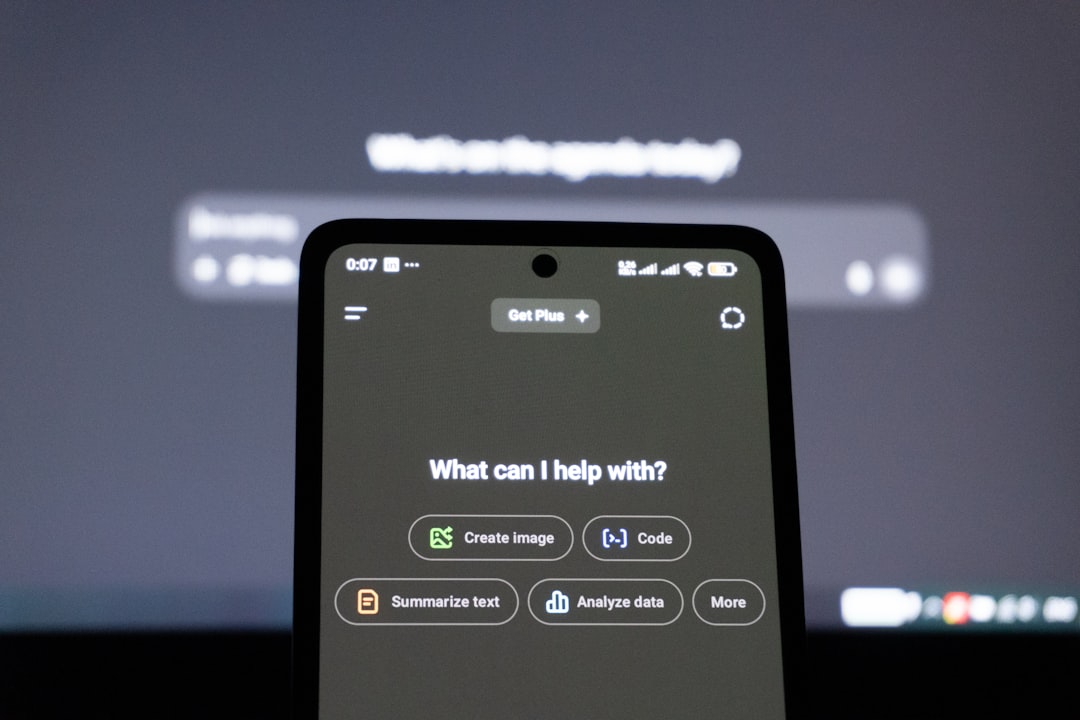

Conversational AI has moved from experimental chatbot deployments to a core component of digital service infrastructure across banking, insurance, and fintech. As customers expect faster answers, personalized guidance, and secure self-service at any hour, financial institutions are using AI-powered assistants to reduce friction while maintaining compliance, auditability, and trust.
TLDR: Conversational AI is transforming financial services by automating routine interactions, improving customer support, and enabling faster, more personalized digital experiences. In banking, it supports account servicing, fraud alerts, loan assistance, and financial guidance. In insurance, it accelerates claims, policy management, and underwriting support. In fintech, it helps onboard users, explain products, manage payments, and deliver scalable support while maintaining a strong focus on security and compliance.
Why Conversational AI Matters in Financial Services
Financial services are highly information-intensive. Customers frequently ask about balances, transactions, policies, payments, claims, fees, loan status, investment options, and account security. Many of these interactions are predictable, repetitive, and time-sensitive, making them well suited for conversational AI.
However, the financial sector also has strict requirements. Responses must be accurate, secure, compliant, and sensitive to customer context. A poorly designed chatbot can create confusion or reputational risk. A well-designed conversational AI system, on the other hand, can act as a reliable digital front door, helping customers complete tasks while escalating complex or regulated issues to human experts.
The strongest use cases are not about replacing humans entirely. They are about improving access, reducing wait times, supporting decision-making, and allowing employees to focus on higher-value work.

Top Conversational AI Use Cases in Banking
1. Account Information and Routine Customer Service
One of the most common use cases in banking is automated account support. Customers can ask natural-language questions such as, “What is my current balance?”, “When was my last mortgage payment?”, or “Why was I charged a fee?” Conversational AI can authenticate the user, retrieve relevant information, and provide clear answers in real time.
This type of automation reduces call center volume and improves customer convenience. Instead of navigating complex menus or waiting for an agent, customers can receive immediate support through mobile apps, websites, messaging platforms, or voice channels.
- Balance inquiries and account summaries
- Transaction search and spending history
- Card activation and replacement requests
- Fee explanations and service charge details
- Branch and ATM information
2. Fraud Detection, Alerts, and Secure Customer Verification
Fraud prevention is one of the most important areas for conversational AI in banking. AI assistants can notify customers about suspicious activity, confirm whether a transaction is legitimate, and guide users through next steps if fraud is suspected.
For example, if a customer receives an alert about an unusual card transaction, they can respond through a secure conversational interface. The assistant can verify identity, capture the customer’s response, temporarily freeze the card, and escalate the case to a fraud specialist when necessary.
Speed is critical in fraud scenarios. Conversational AI can reduce the time between detection and customer action, helping limit losses and protect customer trust.
3. Loan and Mortgage Assistance
Loans and mortgages involve multiple steps, documents, eligibility checks, and status updates. Conversational AI can support customers throughout the journey by explaining available products, gathering preliminary information, answering questions about rates and terms, and updating applicants on progress.
For lending teams, AI assistants can help reduce repetitive inquiries such as “Has my application been approved?” or “What documents are still missing?” For customers, the experience feels more transparent and less intimidating.
Common capabilities include:
- Prequalification guidance
- Document checklist support
- Application status updates
- Payment schedule explanations
- Escalation to lending officers for complex cases
4. Personal Financial Management and Guidance
Conversational AI can help banks deliver more personalized financial guidance at scale. Customers may ask about spending patterns, saving goals, upcoming bills, or budgeting recommendations. By connecting with transaction data and approved analytics systems, an AI assistant can provide helpful, contextual information.
For example, a customer might ask, “How much did I spend on dining last month?” or “Can I afford to transfer more into savings?” The assistant can summarize relevant data and offer practical suggestions.
Because financial advice is regulated, institutions must define clear boundaries. The assistant should distinguish between general financial education and regulated investment or credit advice. When needed, it should route customers to licensed professionals.
Top Conversational AI Use Cases in Insurance
5. Claims Intake and Status Updates
Insurance claims are often stressful for customers. Whether the claim relates to a car accident, property damage, health event, or travel disruption, customers want immediate guidance and reassurance. Conversational AI can help collect initial claim information, explain required documentation, and provide status updates throughout the process.
This reduces pressure on claims teams while improving the policyholder experience. Instead of repeatedly calling to ask for updates, customers can receive clear responses through a secure digital assistant.

A claims assistant can support:
- First notice of loss collection
- Photo and document upload guidance
- Repair or provider network information
- Claim status tracking
- Escalation for urgent or sensitive cases
6. Policy Servicing and Coverage Explanations
Insurance policies can be difficult for customers to understand. Conversational AI can explain coverage details in plain language, clarify deductibles, identify renewal dates, and help users make changes to their policy where permitted.
For instance, a customer might ask, “Does my policy cover rental cars?” or “What is my deductible for storm damage?” A properly integrated AI assistant can retrieve policy-specific information and provide a concise answer, while also including disclaimers or links to official policy documents.
Clarity is essential. The assistant should avoid overpromising coverage and should cite authoritative policy language when possible. If the inquiry requires interpretation or judgment, escalation to a licensed agent is the safest path.
7. Underwriting Support and Agent Enablement
Conversational AI is not only customer-facing. It can also assist insurance agents, brokers, and underwriters by helping them access information more efficiently. An internal AI assistant can summarize applicant information, retrieve underwriting guidelines, identify missing documents, and answer procedural questions.
This can improve productivity and consistency while allowing human experts to focus on risk assessment and relationship management. In complex commercial insurance, for example, conversational AI can help professionals navigate large policy documents, endorsements, and historical claim records.
8. Renewal and Retention Conversations
Policy renewals are a critical moment for insurers. Customers may compare prices, reconsider coverage, or leave if they do not understand changes in premiums. Conversational AI can proactively explain renewal terms, answer questions, and guide customers through available options.
When used responsibly, this creates a more transparent renewal experience. Customers can understand why a premium changed, what options are available, and when speaking with an agent would be beneficial.
Top Conversational AI Use Cases in Fintech
9. Digital Onboarding and Know Your Customer Support
Fintech companies depend on smooth onboarding. If account opening is confusing or identity verification fails, users may abandon the process. Conversational AI can guide new users through registration, explain verification requirements, troubleshoot document upload issues, and answer questions about security.
For fintech firms operating in payments, lending, investing, or digital banking, this can directly improve conversion rates. The assistant can provide step-by-step help while ensuring that compliance requirements such as Know Your Customer and anti-money laundering checks are completed correctly.
10. Payments, Transfers, and Transaction Support
Conversational AI can help fintech users understand payment status, transfer limits, failed transactions, refund timelines, and account funding options. In payment-heavy environments, these questions account for a significant share of support requests.
A user may ask, “Why is my transfer pending?” or “When will my withdrawal arrive?” The assistant can check transaction data, explain processing timelines, and provide next steps. When a case involves potential fraud, compliance review, or a technical issue, the system can escalate to the proper team.

11. Product Education and Responsible Usage
Many fintech products are innovative but unfamiliar. Customers may need help understanding digital wallets, buy now pay later services, robo-advisors, cryptocurrency platforms, earned wage access, or embedded finance tools. Conversational AI can explain features, fees, risks, and usage rules in a consistent and accessible way.
This is especially important where products involve credit, investment risk, or regulatory obligations. A serious conversational AI strategy should ensure that explanations are accurate, balanced, and easy to understand. The goal is not simply to increase engagement, but to promote informed and responsible use.
12. Scalable Customer Support for Fast-Growing Companies
Fintech firms often grow quickly across regions, product lines, and customer segments. Support teams may struggle to keep pace with rising inquiry volumes. Conversational AI provides a scalable support layer that can handle common questions around the clock.
This does not eliminate the need for human service teams. Instead, it helps prioritize complex, sensitive, or high-value cases. The best systems maintain a seamless handoff, passing conversation history, customer context, and relevant data to human agents so the customer does not have to repeat information.
Key Requirements for Trustworthy Conversational AI
In financial services, trust is not optional. Conversational AI must be designed with strong governance, technical controls, and clear accountability. Institutions should evaluate not only what the assistant can do, but also what it should not do.
- Security: Authentication, encryption, access controls, and secure integrations are essential.
- Compliance: Responses must align with financial regulations, privacy laws, and internal policies.
- Accuracy: The system should rely on approved data sources and avoid unsupported claims.
- Explainability: Customers and employees should understand when they are interacting with AI.
- Escalation: The assistant must hand off sensitive, complex, or regulated issues to qualified humans.
- Monitoring: Conversations should be reviewed for quality, risk, bias, and performance trends.
Measuring Business Impact
Organizations should measure conversational AI performance using both efficiency and customer outcome metrics. Deflection rates alone are not enough. A system that prevents customers from reaching human support may reduce costs in the short term but damage trust over time.
Useful metrics include:
- First contact resolution rate
- Average handling time reduction
- Customer satisfaction and sentiment
- Containment rate for appropriate use cases
- Escalation quality and handoff completion
- Fraud response time
- Application completion rates
- Claims cycle time improvement
The most successful programs balance automation with responsibility. They focus on customer value, operational resilience, and risk management rather than novelty.
The Future of Conversational AI in Finance
The next generation of conversational AI will be more proactive, multimodal, and deeply integrated into financial workflows. Customers will not only ask questions; they will complete complex tasks through guided conversations. Employees will use AI copilots to summarize records, prepare recommendations, and navigate internal knowledge systems.
At the same time, regulatory expectations will continue to rise. Financial institutions will need strong model governance, rigorous testing, clear disclosure, and human oversight. The winners will be those that treat conversational AI as a strategic capability, not a simple chatbot project.
Conversational AI is already reshaping banking, insurance, and fintech by making financial services more accessible, efficient, and responsive. When implemented with discipline, transparency, and respect for customer trust, it can improve service quality while strengthening the operational foundations of modern financial organizations.