

Choose Figma for serious team prototyping, but choose MagicPath when the goal is to turn a rough idea into screens as fast as possible. That is the practical answer. MagicPath is better for instant AI-generated starting points. Figma is better when the prototype needs polish, comments, components, version control, and developer handoff.
TLDR: MagicPath is the faster option for early UI exploration, especially when you want several screen ideas from a short prompt. Figma is the safer choice for product teams that need a prototype to move into design review or engineering. In a simple checkout-flow scenario, a solo founder might generate 5 rough MagicPath screens in about 10 minutes, while a designer in Figma may spend 25 minutes but end with cleaner structure and reusable components. If speed matters most, start with MagicPath; if the prototype must become production design, use Figma.
Quick verdict
MagicPath wins for raw speed. It is built around prompt-based creation. You describe what you want, and the tool gives you a UI direction quickly. That makes it useful for founders, marketers, consultants, and product managers who need a visual draft before a meeting.
Figma wins for real product work. Its AI features are useful, but Figma’s main strength is still its mature design environment. Auto layout, components, comments, design systems, prototyping, variables, and dev handoff make it much more dependable once the idea has to be tested, revised, and built.
The best answer depends on what you mean by rapid UI prototyping. If rapid means “show me three possible app concepts today,” MagicPath has the edge. If rapid means “build a clickable prototype the team can review and engineers can understand,” Figma is stronger.
Image not found in postmetaWhere MagicPath feels faster
MagicPath is strongest at the messy first stage. You may not know the layout. You may not have copy. You may only know that you need a dashboard, onboarding flow, booking app, or landing page. That is where AI-first tools can feel useful.
You can enter a prompt such as: “Create a mobile onboarding flow for a meditation app with sign up, goal selection, reminder setup, and subscription screen.” MagicPath can turn that into a starting point without forcing you to build every frame by hand.
This is valuable when the cost of being wrong is low. You are not trying to ship the exact design. You are trying to make an idea visible. That matters in early meetings, client pitches, design sprints, and investor updates.
MagicPath is usually better for:
- Generating quick UI concepts from text prompts.
- Creating early mockups for non-designers.
- Testing several layout directions before committing.
- Turning vague product ideas into something visual.
- Speeding up first drafts for simple web or mobile flows.
The catch is that speed often creates cleanup work. AI-generated screens can look convincing at first glance, then fall apart when you inspect spacing, hierarchy, labels, and consistency. Expect to spend time fixing repeated patterns, odd visual choices, and screens that do not quite match your product logic.
Where Figma is still ahead
Figma is not only a UI design tool. It is a full workspace for product design. That is why many teams keep using it even when newer AI tools look faster in demos.
Figma supports the full path from wireframe to prototype to handoff. You can create reusable components, define styles, manage design systems, invite stakeholders, collect comments, and prepare assets for engineering. That matters when a prototype becomes more than a sketch.
Figma’s AI features can help with first drafts, copy suggestions, layer naming, asset search, and workflow shortcuts. Yet the larger benefit is that those AI outputs sit inside a mature canvas. You can refine them without switching tools.
It drives me crazy when a prototype looks done but has no structure behind it. Figma reduces that problem. A button can be a real component. A card can follow a shared layout. A color can come from a design token. That sounds boring until a stakeholder asks for one small change across 20 screens.
Figma is usually better for:
- Clickable prototypes with refined interaction paths.
- Team review and stakeholder feedback.
- Design systems and reusable components.
- Developer handoff and inspectable layouts.
- Longer product cycles with multiple revisions.
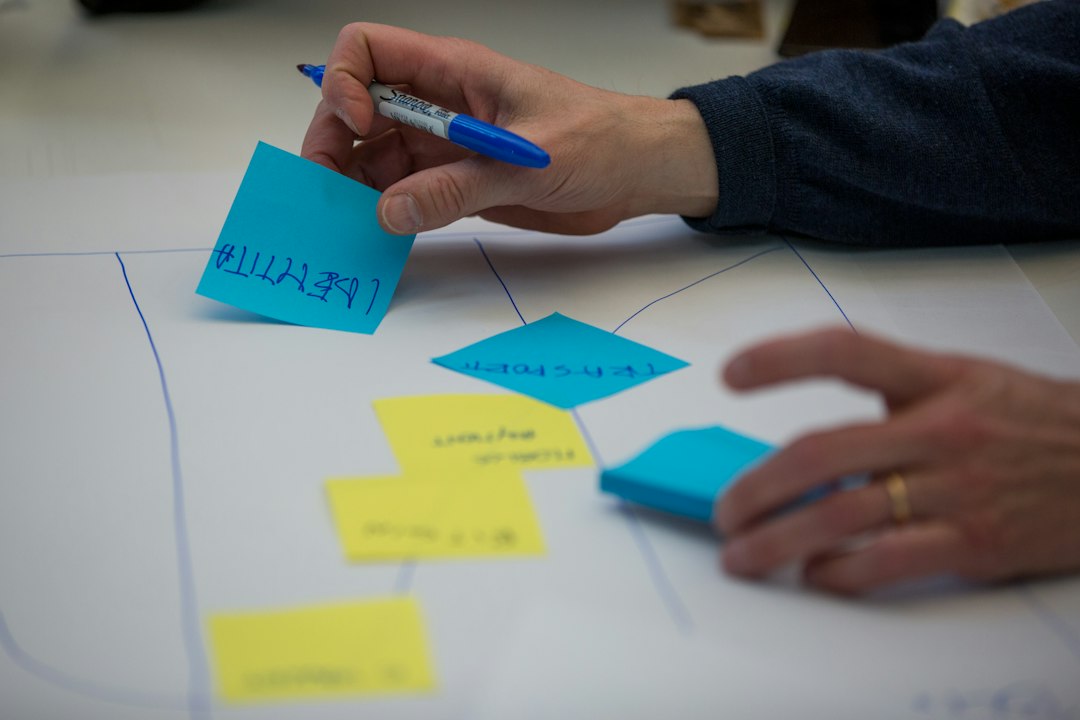
AI quality: prompt speed versus design control
MagicPath gives you a faster first answer. Figma gives you more control over what happens next. This is the core tradeoff.
In MagicPath, the AI output is the main event. You ask, it generates, and you adjust. For basic concepts, that is efficient. For complex products, it can feel shallow. Enterprise dashboards, permission flows, financial tools, and health products need careful information structure. AI can draft the surface, but it may miss the decision logic underneath.
In Figma, AI is more of an assistant inside a professional tool. The output may take longer to shape, but it can become part of a real file. You can connect screens, create variants, test flows, and keep your work organized.
If your prototype needs accessibility checks, responsive behavior, or consistent states, Figma has the advantage. MagicPath may offer a good visual draft, but Figma gives teams more room to stress-test the design.
Speed comparison in a realistic scenario
Imagine a startup needs a prototype for a restaurant reservation app. The required flow has five screens: home, search results, restaurant profile, booking form, and confirmation.
With MagicPath, a product manager can likely produce a rough version quickly. The first draft may appear in minutes. After edits, the team may have something presentable in 30 to 45 minutes.
With Figma, the first blank canvas takes more effort. A designer may need to set up frames, choose components, create buttons, align cards, and connect the flow. That could take 60 to 90 minutes for a tidy first version. But the result is easier to revise and share with engineers.
So the time saving is real, but not absolute. MagicPath can save early setup time. Figma can save later correction time.
Collaboration and handoff
This is where Figma pulls away. It has become a standard tool because teams can work inside it together. Designers, product managers, engineers, researchers, and executives can all comment on the same file.
Figma’s handoff features also reduce confusion. Engineers can inspect spacing, colors, typography, and assets. Teams can track changes and maintain one shared source of truth.
MagicPath is more useful before that stage. It helps create something worth discussing. But once five people need to review the flow and two engineers need specs, Figma is usually the better home for the prototype.
Pricing and learning curve
MagicPath may feel easier for beginners because prompts are less intimidating than a full design canvas. A non-designer can describe an idea and get a result. That lowers the barrier for early concept work.
Figma has a steeper learning curve. Auto layout alone can frustrate new users. Still, the investment pays off if you expect to build prototypes often. Once a team has libraries and templates, Figma becomes much faster.
Pricing should be judged by workflow, not only subscription cost. If MagicPath helps you validate ideas before hiring a designer, it may be worth it. If your team already works in Figma, adding another tool may create extra export steps and file cleanup.
Which tool should you choose?
Choose MagicPath if:
- You need a prototype today, not next week.
- You are still exploring the product idea.
- You are not a trained UI designer.
- You need several visual directions fast.
- The prototype is mainly for discussion or pitching.
Choose Figma if:
- Your prototype will go through team review.
- You need precise layout control.
- You work with developers.
- You use a design system.
- The prototype may become the base for production design.
Final recommendation
For rapid UI prototyping, MagicPath is better at the first 20%: idea generation, rough screens, quick variations, and visual brainstorming. Figma is better at the remaining 80%: refinement, collaboration, testing, structure, and handoff.
The strongest workflow may use both. Start in MagicPath to create rough concepts quickly. Then rebuild or refine the best direction in Figma. That gives you speed without giving up control.
If you must pick one tool, pick based on the output you need. For a quick concept, use MagicPath. For a prototype your team can trust, review, and build from, use Figma.