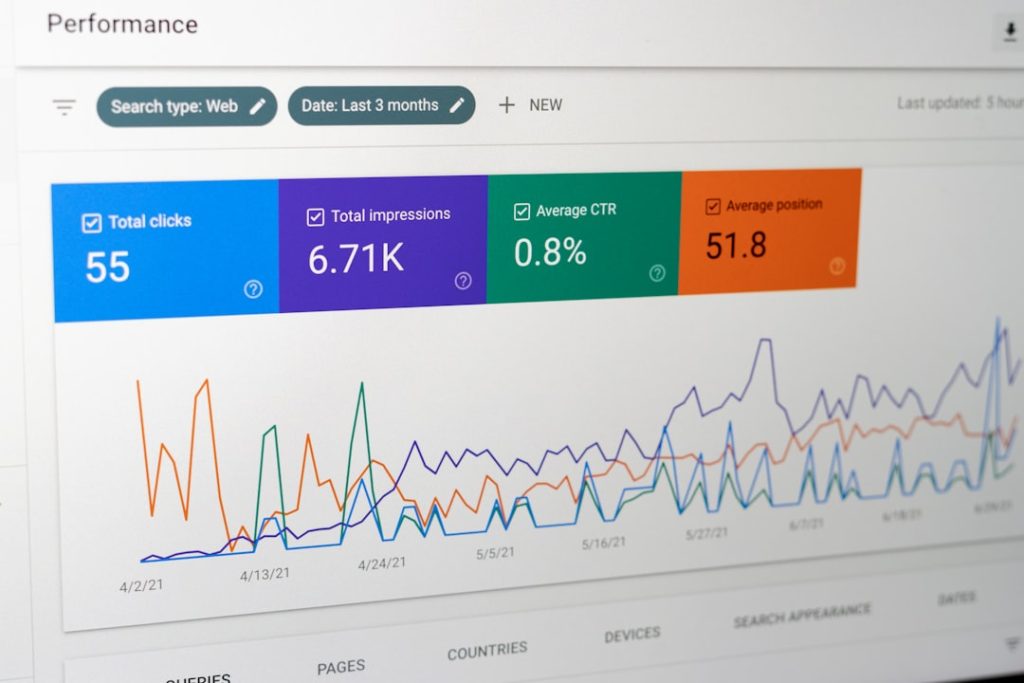

Local customers in Sonoma make decisions quickly: they search for a nearby provider, compare reviews, scan a website, and choose the business that appears most credible. For wineries, restaurants, contractors, professional service firms, health practices, retail shops, and hospitality brands, visibility in local search is no longer optional. A disciplined Sonoma SEO strategy helps a business appear where buyers are already looking, while building trust through accurate information, useful content, and strong reputation signals.
TLDR: Effective Sonoma SEO services focus on helping local businesses appear in search results when nearby customers are ready to buy. The strongest strategies combine Google Business Profile optimization, local keyword targeting, high-quality content, technical website improvements, reviews, and local link building. For sustainable growth, businesses should treat SEO as a long-term asset rather than a one-time marketing task.
Why Local SEO Matters for Sonoma Businesses
Sonoma is a unique market. It has a strong local community, heavy visitor traffic, seasonal demand, and intense competition across tourism, food, wine, home services, wellness, and professional industries. A customer may search for “best tasting room near Sonoma Plaza,” “Sonoma estate planning attorney,” or “emergency plumber in Sonoma.” In each case, search visibility can directly influence revenue.
Local SEO is the process of improving how a business appears in search engines for location-based queries. This includes organic search results, map listings, mobile searches, voice searches, and directory results. Unlike broad advertising campaigns, local SEO targets people with clear geographic intent. These users are often close to making a decision, which makes local search one of the most valuable digital channels for Sonoma companies.

Building a Strong Local Search Foundation
A successful SEO campaign begins with accuracy and consistency. Search engines need to understand who the business is, what it offers, where it is located, and whether it is trustworthy. If business information is inconsistent across the web, rankings and customer confidence can suffer.
Key foundational elements include:
- Consistent name, address, and phone number: The business listing should match across the website, Google Business Profile, Yelp, Bing, Apple Maps, Facebook, industry directories, and local citations.
- Clear service categories: Search engines should be able to identify the primary and secondary services offered.
- Accurate service areas: Businesses serving Sonoma, Glen Ellen, Kenwood, Petaluma, Napa, Santa Rosa, or surrounding areas should define those locations carefully.
- Professional website structure: Each major service should have a dedicated page with clear information, not just a brief mention on a general page.
For businesses that rely on phone calls, bookings, reservations, or appointment requests, these basics are critical. A potential customer should never have to wonder whether the company is still open, where it is located, or how to make contact.
Google Business Profile Optimization
For many Sonoma businesses, the Google Business Profile is the most visible digital asset. It appears in Google Maps, local pack results, mobile searches, and branded searches. A well-optimized profile can generate calls, route requests, website visits, reservations, and direct messages.
Important optimization steps include:
- Selecting the most accurate primary category and supporting it with relevant secondary categories.
- Writing a clear business description that explains services, location, differentiators, and customer value.
- Adding high-quality photos of the storefront, team, products, work examples, dining areas, tasting rooms, or completed projects.
- Publishing regular updates about promotions, events, seasonal offerings, or service availability.
- Answering common questions directly in the profile to reduce friction for customers.
- Monitoring and responding to reviews with professionalism and consistency.
A profile that looks neglected can reduce trust, even if the business itself is excellent. Conversely, an active profile with strong reviews and useful visuals can help a company stand out from competitors that provide little information.
Local Keyword Strategy for Sonoma Search Intent
Keyword research for Sonoma SEO should go beyond generic search volume. The most valuable keywords are those that indicate local intent and commercial relevance. For example, a construction company may benefit more from ranking for “Sonoma kitchen remodel contractor” than from a broad term such as “home improvement ideas.”
A practical local keyword strategy includes several categories:
- Core service keywords: Examples include dentist, winery, restaurant, roofer, attorney, accountant, landscaper, hotel, spa, therapist, or real estate agent.
- Location modifiers: Sonoma, Sonoma County, Sonoma Plaza, Glen Ellen, Kenwood, Boyes Hot Springs, Schellville, and nearby communities.
- Problem-based searches: “water heater repair Sonoma,” “tax help Sonoma County,” or “wedding venue near Sonoma.”
- Comparison searches: “best,” “top rated,” “near me,” “affordable,” and “trusted” variations.
- Seasonal and visitor intent: Especially important for hospitality, wineries, restaurants, tour companies, and event venues.
The goal is not to force keywords unnaturally into content. Instead, keywords should guide the creation of useful pages that answer real customer questions. Search engines increasingly reward relevance, clarity, and helpfulness.
Website Content That Earns Trust
High-performing local websites provide more than a list of services. They explain the business’s process, qualifications, service areas, pricing factors, customer expectations, and reasons to choose the company. In a competitive market like Sonoma, trust-building content can make the difference between a visitor leaving the site and becoming a lead.
Strong content opportunities include:
- Service pages: Detailed pages for each major service, written for local customers.
- Location pages: Useful pages for specific communities served, avoiding thin or duplicated content.
- Frequently asked questions: Answers to practical questions about cost, timelines, preparation, service areas, and guarantees.
- Case studies or project summaries: Examples of completed work, client outcomes, or before-and-after results.
- Educational articles: Guidance that demonstrates expertise and helps customers make informed decisions.
For regulated or high-trust industries, such as healthcare, financial services, legal services, and home improvement, the content should clearly communicate credentials, limitations, licensing, insurance, and professional standards. The tone should be straightforward and factual, not exaggerated.

Technical SEO and Website Performance
Even excellent content can underperform if the website has technical issues. Search engines need to crawl, understand, and index pages efficiently. Customers also expect websites to load quickly and function well on mobile devices.
Technical SEO priorities include:
- Mobile-friendly design: Many local searches happen on smartphones, especially when users need directions, phone numbers, or immediate service.
- Fast page loading: Slow pages can reduce conversions and weaken search performance.
- Clear site architecture: Services, locations, contact information, and important pages should be easy to find.
- Schema markup: Local business, review, FAQ, event, product, or service schema can help search engines interpret information.
- Secure browsing: HTTPS is expected for modern business websites.
- Indexing control: Important pages should be indexable, while low-value duplicate or internal pages should be managed appropriately.
Technical improvements often produce measurable gains because they improve both search visibility and user experience. A reliable SEO provider should be able to audit these issues and explain recommended fixes in plain language.
Reviews and Reputation Management
Reviews play a major role in local purchasing decisions. For Sonoma businesses, reputation can influence both residents and visitors who are unfamiliar with the area. Search engines consider review quantity, quality, recency, and response behavior as trust signals.
A responsible review strategy should include:
- Requesting reviews consistently from satisfied customers after a completed service or purchase.
- Making the process simple with direct links and clear instructions.
- Responding to positive reviews with sincere appreciation.
- Responding to negative reviews calmly, professionally, and without revealing private information.
- Identifying recurring complaints and correcting operational issues when needed.
Businesses should never buy fake reviews or pressure customers into dishonest feedback. Short-term manipulation can create long-term reputational and platform risks. Authentic reviews are a stronger and safer asset.
Local Link Building and Community Signals
Backlinks remain an important part of SEO, but local businesses should focus on quality and relevance rather than quantity. A link from a credible Sonoma organization, local publication, chamber of commerce, event page, nonprofit partner, industry association, or regional guide can carry meaningful value.
Effective local link opportunities include:
- Sponsoring community events and being listed on official event pages.
- Joining local business associations or chambers of commerce.
- Partnering with complementary businesses for guides, resources, or referral content.
- Earning media mentions through newsworthy announcements or expert commentary.
- Publishing useful local resources that others naturally reference.
For example, a wedding vendor might create a guide to planning events in Sonoma, while a law firm might publish a resource on local estate planning considerations. Useful, locally relevant resources are more likely to attract legitimate links and engagement.
Tracking Results That Matter
SEO should be measured by business outcomes, not just rankings. Rankings are useful indicators, but they do not tell the full story. A Sonoma SEO services provider should connect performance reporting to leads, calls, bookings, store visits, direction requests, form submissions, and revenue where possible.
Important metrics include:
- Organic website traffic from local search queries.
- Google Business Profile actions such as calls, clicks, and direction requests.
- Keyword visibility for priority local terms.
- Conversion rates on service pages and contact pages.
- Review growth and average rating across major platforms.
- Lead quality from organic search compared with paid advertising or referrals.
Reliable reporting should be transparent and understandable. If an agency provides only vague claims without clear data, the business owner should ask for more precise measurement.

Choosing the Right Sonoma SEO Partner
Selecting an SEO provider is an important business decision. The right partner should understand local search, communicate clearly, avoid unrealistic guarantees, and focus on long-term growth. Serious SEO work requires research, technical skill, content development, local market understanding, and ongoing refinement.
When evaluating Sonoma SEO services, consider asking:
- What specific local SEO experience do you have?
- How will you improve our Google Business Profile?
- What technical issues exist on our website?
- How will you choose target keywords?
- What content needs to be created or improved?
- How will success be measured?
- How often will we receive reports and recommendations?
Be cautious of providers promising instant first-place rankings, using secret methods, or offering extremely cheap packages with little explanation. Search engine optimization is not magic. It is a structured process built on relevance, quality, technical performance, reputation, and authority.
SEO as a Long-Term Growth Asset
For local businesses in Sonoma, SEO is best viewed as a durable growth asset. Paid ads can generate immediate traffic, but visibility ends when the budget stops. Strong organic presence, on the other hand, can continue producing leads and customers over time when maintained properly.
The most successful strategies combine practical execution with patience. A business may begin by correcting listings, improving its Google Business Profile, and fixing technical errors. It may then expand service pages, publish helpful content, strengthen reviews, and earn local links. Over several months, these improvements compound.
Sonoma’s business environment rewards credibility. Customers want to know that a company is established, professional, responsive, and relevant to their needs. Local SEO supports those expectations by making accurate information easier to find and by presenting the business as a trustworthy choice at the exact moment customers are searching.
Final Thoughts
Sonoma SEO services can help local businesses grow by improving visibility, strengthening reputation, and converting search traffic into real customers. The best results come from a comprehensive strategy that includes local listings, keyword research, content, technical optimization, reviews, and community authority.
For business owners, the priority should be consistency and quality. Keep information accurate, publish content that answers customer questions, maintain a professional website, request honest reviews, and measure what matters. With a serious and well-managed approach, local SEO can become one of the most reliable engines for sustainable business growth in Sonoma.