

Pick Semrush if daily keyword tracking and clean client reports matter most. Pick Ahrefs if you want rank tracking mixed with strong backlink and competitor data. Both tools track SEO keywords well. They just shine in different jobs.
TLDR: Semrush is better for hands-on rank monitoring, local SEO checks, and polished reports. Ahrefs is better if your keyword tracking is part of wider SEO research. For example, a small agency tracking 500 keywords across 5 cities may save hours with Semrush reports. A content team growing from 20,000 to 60,000 monthly organic visits may prefer Ahrefs because it links rankings, pages, and backlinks in one place.
Semrush vs Ahrefs: The Simple Answer
Think of Semrush as the dashboard in a race car. It shows speed, warnings, turns, and fuel. Fast.
Think of Ahrefs as the garage. It shows the engine, the parts, and what your rivals are building.
For SEO keyword monitoring, Semrush usually feels more direct. You set up a project. You add keywords. You pick location and device. Then you watch the rankings move.
Ahrefs can do that too. But it often feels more useful when you also care about backlinks, content gaps, and competitor pages.
What Is SEO Keyword Monitoring?
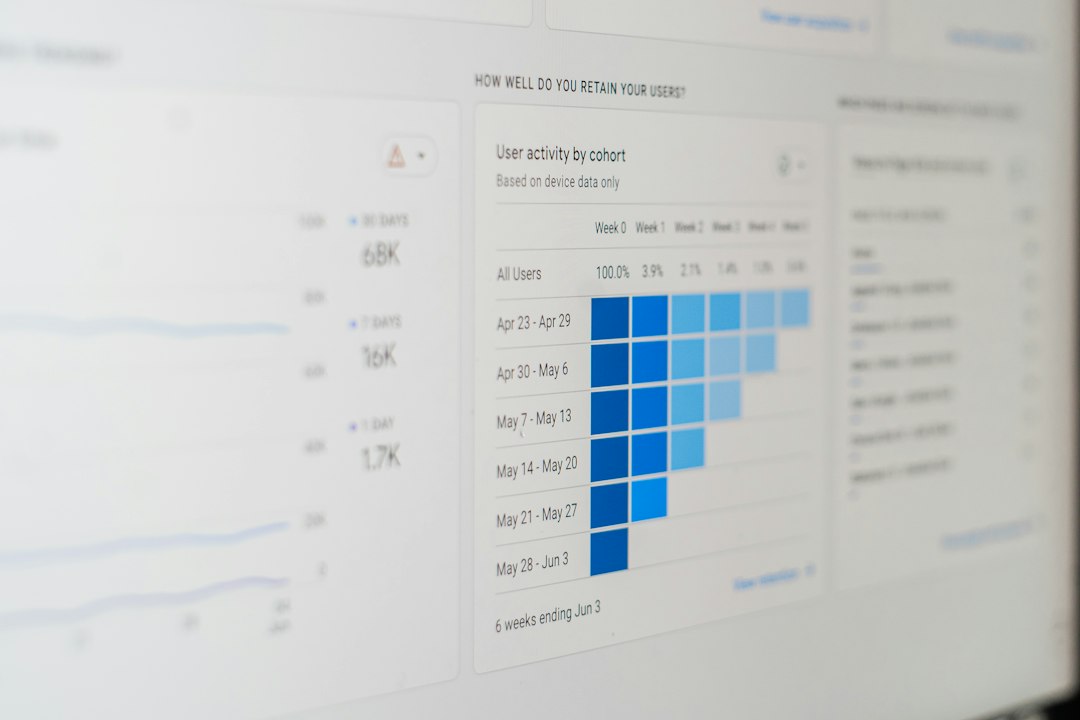
SEO keyword monitoring means tracking where your pages rank in Google for chosen search terms.
Simple idea. Big impact.
If your page moves from position 12 to 4, traffic can jump. If it drops from 3 to 11, leads may vanish. That hurts. A lot.
You monitor keywords to answer questions like:
- Are our rankings going up or down?
- Which pages are winning?
- Which competitors passed us?
- Did a Google update hit us?
- Are mobile rankings different from desktop?
- Are we ranking in the right city or country?
Semrush for Tracking SEO Keywords
Semrush has a tool called Position Tracking. It is one of its strongest features.
You can track keywords by country, city, ZIP code, device, and search engine. That is very handy for local SEO. A dentist in Austin does not care much about rankings in Boston. Semrush gets that.
You can also tag keywords. This sounds boring. It is not. Tags help you split keywords into groups like:
- Money keywords
- Blog keywords
- Local keywords
- Brand keywords
- Competitor keywords
Reports are also a big win. Semrush makes it easy to show progress to a boss or client. Charts look neat. Ranking changes are clear. You do not need to explain every tiny metric.
It drives me crazy that some SEO tools make reports feel like tax forms. Semrush does a better job here. It still has lots of numbers, but the layout is friendly.
Best Semrush Features for Keyword Monitoring
- Daily rank updates for close tracking.
- Local rank tracking by city and ZIP code.
- Device tracking for mobile and desktop.
- Competitor tracking in the same project.
- Visibility score to see overall progress.
- Easy PDF reports for clients and teams.
Ahrefs for Tracking SEO Keywords
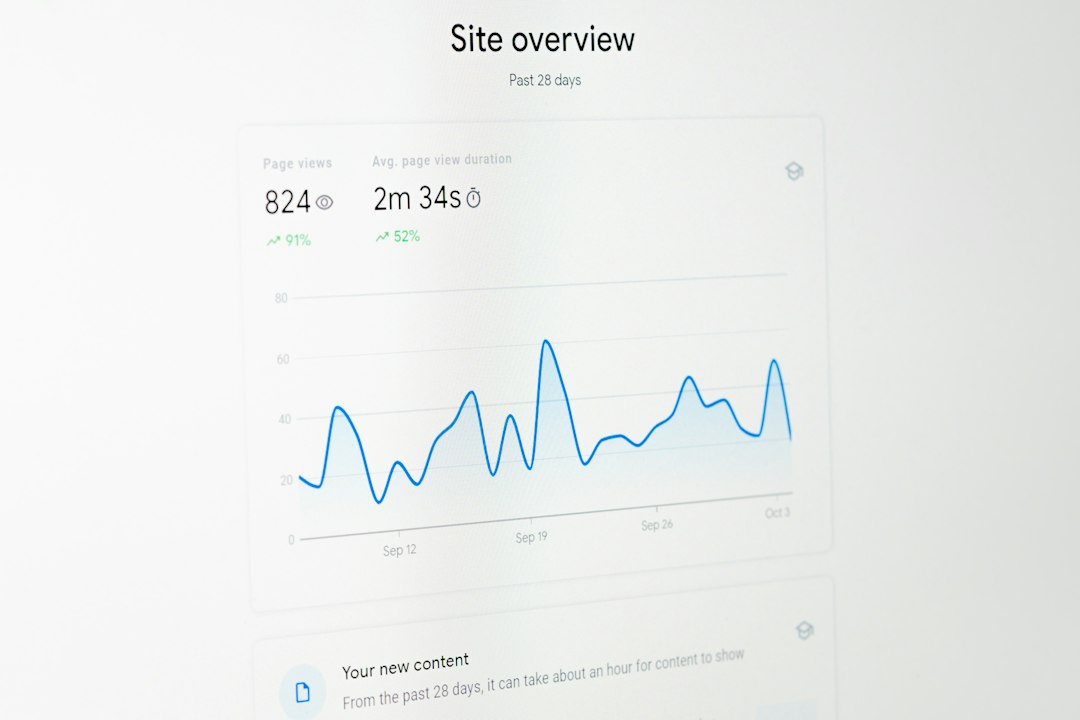
Ahrefs has a tool called Rank Tracker. It tracks keyword positions over time. It also shows traffic estimates, SERP features, and competitor ranking data.
Ahrefs is great when keyword tracking is not your only task. You can jump from a ranking dip to backlink checks. Then you can inspect the page. Then you can compare it with a rival page. That flow is useful.
For example, say your article drops from position 5 to 9. In Ahrefs, you may notice a competitor gained 18 new referring domains. That could explain the jump. Now you know what to fix.
Ahrefs also has strong historical data. This helps you spot patterns. Maybe a page drops every time a fresher guide appears. Maybe competitors win because their content is longer, newer, or better linked.
Best Ahrefs Features for Keyword Monitoring
- Rank Tracker for keyword position changes.
- Share of voice to compare visibility.
- SERP feature tracking for snippets and packs.
- Strong competitor research tied to rankings.
- Backlink data that explains ranking changes.
- Content gap tools for finding missed keywords.
Quick Comparison Table
| Feature | Semrush | Ahrefs |
|---|---|---|
| Keyword rank tracking | Excellent | Very good |
| Local SEO tracking | Stronger | Good, but less central |
| Client reports | Better | Good |
| Backlink insights | Good | Excellent |
| Competitor research | Strong | Very strong |
| Ease for beginners | More guided | A bit more technical |
When Semrush Is the Better Choice
Choose Semrush if you track rankings every week, or every day. It is built for that routine.
Semrush is also great for agencies. Reports are simple to build. You can track many projects. You can show ranking wins without making people squint at a giant spreadsheet.
Semrush is a strong pick if you care about:
- Local rankings
- Daily movement
- Client dashboards
- Keyword groups
- Clear visibility scores
- Marketing reports
Example time. A plumber in Miami wants to rank for “emergency plumber Miami”, “water heater repair Miami”, and “drain cleaning near me”. Semrush is the cleaner choice. Location tracking matters here. A lot.
When Ahrefs Is the Better Choice
Choose Ahrefs if rankings are only one part of your SEO work. It is great for digging into why pages rank.
Ahrefs is especially useful for content teams. You can track keywords, study competing pages, check backlinks, and find content gaps.
Ahrefs is a strong pick if you care about:
- Backlink research
- Competitor pages
- Content planning
- Historical SEO data
- Ranking causes, not just ranking positions
Honestly, it feels like Ahrefs was made for people who ask, “Okay, but why did this happen?” That is its superpower.
The Annoying Parts
No tool is perfect. Sorry. The SEO tool fairy is still on vacation.
Semrush can feel crowded. There are many tools, menus, widgets, and reports. New users may click around for 10 minutes just trying to find the one chart they need.
Ahrefs can feel less friendly for reporting. The data is great. But if you need a pretty monthly report for a client, Semrush usually gets you there faster.
Pricing can also sting. Both tools are paid tools with limits. Tracked keywords, projects, users, and update frequency can change by plan. Always check the current plan details before you buy.

Which Tool Tracks Keywords More Accurately?
This is the spicy question.
Both are reliable. But no SEO rank tracker is perfect. Google results change by location, device, search history, language, and time. Your rank tracker may say position 6. You may see position 8. That does not mean the tool is broken.
Use rank tracking for trends. Do not obsess over one tiny move.
A jump from 18 to 7 matters. A move from 4 to 5 may just be normal wiggle. SEO rankings wiggle like a puppy in a bath.
Best Pick by User Type
- Small local business: Semrush.
- SEO agency: Semrush.
- Content marketing team: Ahrefs.
- Link building team: Ahrefs.
- Beginner who wants reports: Semrush.
- SEO nerd who loves deep research: Ahrefs.
Final Verdict
For pure SEO keyword monitoring, Semrush wins by a small but clear margin. It is easier for daily tracking, local SEO, tags, and reports.
Ahrefs is still excellent. It may even be the better total SEO tool for teams that care deeply about backlinks and competitor research.
So here is the simple rule. If your main question is “Where do we rank?”, use Semrush. If your main question is “Why do they outrank us?”, use Ahrefs.
Best of all, both tools can help you stop guessing. And guessing is where SEO budgets go to disappear.