
Queen Village has a distinct business environment: historic streets, independent retailers, professional offices, restaurants, healthcare practices, creative studios, and growing remote teams all operating side by side. In such a fast-moving neighborhood, reliable technology is no longer optional. Managed service provider services, often called MSP services, give Queen Village businesses access to dependable IT support, cybersecurity, cloud management, and strategic technology planning without the cost of maintaining a full internal IT department.
TLDR: MSP services in Queen Village help local businesses keep their technology secure, productive, and scalable. A managed IT provider can handle daily support, network monitoring, cloud tools, cybersecurity, backups, and long-term planning. For small and mid-sized organizations, these services often reduce downtime, improve security, and make technology costs more predictable.
What MSP Services Mean for Queen Village Businesses
An MSP is a third-party technology partner that manages a company’s IT systems on an ongoing basis. Instead of waiting for something to break, a managed service provider works proactively to monitor systems, identify risks, apply updates, support employees, and keep business operations running smoothly.
For businesses in Queen Village, this model can be especially valuable. Many local organizations rely on point-of-sale systems, appointment scheduling platforms, accounting tools, customer databases, cloud email, Wi-Fi networks, and mobile devices. If any of these tools fail, revenue, productivity, and customer trust can be affected quickly.
Managed IT support gives these businesses a structured way to maintain technology. It may include help desk support, onsite assistance, remote troubleshooting, cybersecurity protection, cloud administration, software updates, hardware management, compliance assistance, and technology consulting.

Why Local Managed IT Support Matters
Queen Village organizations often benefit from an MSP that understands the needs of urban businesses. A local or regionally focused provider may be more familiar with the challenges of older buildings, limited space for equipment, mixed-use properties, shared internet connections, and the need for flexible support schedules.
While many IT tasks can be handled remotely, there are still times when onsite support is important. Hardware installation, network cabling, Wi-Fi troubleshooting, security camera connectivity, and server maintenance may require a technician to visit the location. Having access to both remote and onsite support gives businesses more complete coverage.
Local responsiveness can also be important during emergencies. If a restaurant’s payment system stops working during a dinner rush or a medical office cannot access patient files in the morning, fast support matters. An MSP with experience supporting nearby businesses can prioritize practical solutions that minimize disruption.
Core Managed IT Support Options
MSP services can be customized, but most managed IT plans include several core support categories. These options allow Queen Village businesses to select the level of service that matches their size, budget, and risk profile.
- Help desk support: Employees can contact IT professionals for assistance with email, passwords, printers, software issues, access problems, and device troubleshooting.
- Network monitoring: The MSP monitors routers, switches, firewalls, servers, and internet connectivity to detect failures or performance problems.
- Cybersecurity management: Services may include antivirus protection, endpoint security, firewall management, phishing prevention, and threat monitoring.
- Backup and disaster recovery: Important files, applications, and systems are backed up so the business can recover after accidental deletion, hardware failure, cyberattack, or natural disruption.
- Cloud services: The MSP can manage cloud email, file sharing, collaboration platforms, cloud servers, and user permissions.
- Patch management: Software and operating systems are updated regularly to improve performance and close security vulnerabilities.
- Vendor management: The provider may coordinate with internet providers, software vendors, phone system companies, and hardware suppliers.
Help Desk and Remote Support
One of the most common MSP services is help desk support. This gives employees a reliable place to turn when technology problems occur. Instead of losing time trying to fix a software issue or printer error on their own, staff members can submit a ticket, call support, or start a remote session.
Remote support is especially efficient for businesses with hybrid or remote employees. A technician can securely connect to a workstation, diagnose the issue, adjust settings, install approved software, or walk the user through a solution. This model reduces delays and helps teams stay productive.
For smaller Queen Village businesses, help desk support can replace the need for a full-time IT employee. For larger organizations, it can supplement internal staff and allow them to focus on higher-level projects.
Cybersecurity Services for Local Organizations
Cybersecurity is one of the most important reasons businesses invest in MSP services. Even small companies are common targets for phishing emails, ransomware, stolen passwords, and fraudulent payment requests. Queen Village businesses that handle customer data, employee records, financial information, or healthcare details must take security seriously.
A managed IT provider can create a layered security approach that includes both technology and employee education. This may involve endpoint detection, spam filtering, multifactor authentication, password policies, firewall rules, security awareness training, and regular vulnerability checks.
Multifactor authentication is particularly valuable. It requires users to verify their identity with a second step, such as a mobile app prompt or security code. This makes it harder for criminals to access accounts even if a password is stolen.

Cloud Management and Collaboration Tools
Many Queen Village businesses now rely on cloud platforms such as Microsoft 365, Google Workspace, cloud-based accounting software, customer relationship management tools, and online file storage. These tools make collaboration easier, but they still require careful administration.
An MSP can manage user accounts, permissions, email security, shared drives, device access, and data retention settings. This is important when employees join, change roles, or leave the organization. Without proper access controls, a former employee may retain access to sensitive data, or current employees may have more access than they need.
Cloud management also helps businesses control costs. An MSP can review subscriptions, remove unused licenses, recommend better plans, and ensure that cloud services are configured correctly.
Backup, Recovery, and Business Continuity
Data loss can happen in many ways. A laptop may be stolen, a hard drive may fail, a file may be deleted, or ransomware may lock an entire system. Backups are essential, but they must be designed and tested properly.
Managed backup services usually include automated backups, secure storage, monitoring, and recovery testing. The goal is not only to save copies of data but also to make sure the business can restore that data when needed.
Business continuity planning goes a step further. It considers how the company will continue operating if systems go down. For example, a professional office may need a plan for accessing documents from another location, while a retail shop may need a temporary payment processing process during an outage.
Onsite IT Support and Infrastructure Services
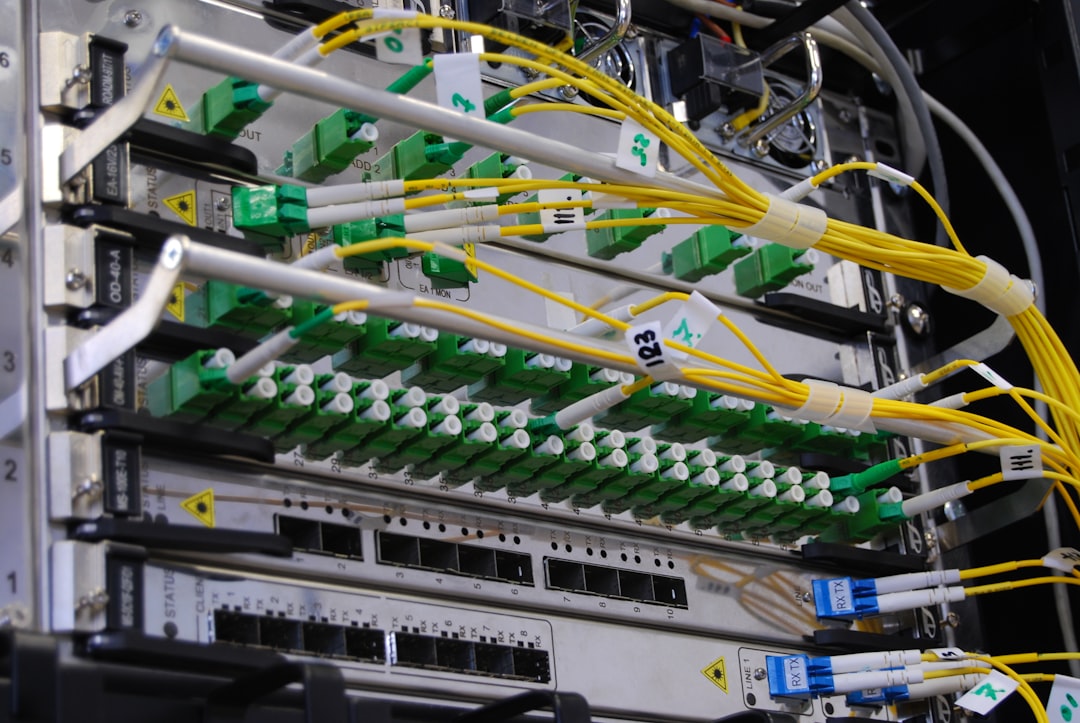
Although cloud tools and remote support are common, many businesses still need physical technology maintained. Onsite services can include workstation setup, server maintenance, Wi-Fi optimization, printer configuration, cable organization, firewall installation, and conference room technology setup.
Queen Village buildings may present unique infrastructure challenges. Older properties can have thick walls, unusual layouts, or limited wiring options, which may affect Wi-Fi coverage and network performance. A managed IT provider can evaluate the space and recommend access point placement, network upgrades, or equipment changes to improve reliability.
Co-Managed IT for Businesses With Internal Staff
Not every organization wants to outsource all technology responsibilities. Some already have an internal IT manager or operations employee who handles basic support. In these cases, co-managed IT may be the best option.
With co-managed IT, the MSP works alongside internal staff. The external provider may handle after-hours monitoring, cybersecurity tools, large projects, cloud migrations, or specialized troubleshooting. This gives the business access to deeper expertise while preserving internal control.
Co-managed services can also help prevent burnout. A single internal IT employee may struggle to manage support tickets, updates, security alerts, vendor calls, and long-term planning at the same time. An MSP can provide additional capacity when needed.
Strategic IT Planning and Consulting
Managed IT support is not only about fixing problems. A strong MSP also helps businesses plan for the future. This may include hardware replacement schedules, software selection, budgeting, compliance preparation, cybersecurity roadmaps, and cloud migration strategies.
For a growing Queen Village business, strategic IT consulting can prevent costly decisions. The provider can advise whether to purchase new equipment, move systems to the cloud, improve Wi-Fi coverage, upgrade security tools, or standardize devices across the team.
This planning can create more predictable technology expenses. Instead of facing surprise costs when equipment fails, the business can budget for upgrades in advance.
Choosing the Right MSP in Queen Village
Selecting a managed IT provider should involve more than comparing monthly fees. The right provider should understand the business’s operations, risks, growth plans, and support expectations.
Important selection factors include:
- Service scope: The business should confirm what is included, such as help desk support, onsite visits, cybersecurity, backups, and cloud administration.
- Response times: The MSP should define expected response times for urgent, high-priority, and routine requests.
- Security approach: The provider should explain how it protects endpoints, accounts, networks, and data.
- Industry experience: Businesses in healthcare, legal, finance, and retail may need specialized compliance or workflow support.
- Scalability: The provider should be able to support the company as it adds employees, locations, or new applications.
- Reporting: Regular reports can show ticket activity, security events, backup status, and system health.
Common Pricing Models
MSP pricing can vary based on the number of users, devices, locations, services, and security requirements. Many providers use a monthly subscription model, which helps businesses predict expenses.
Common pricing approaches include per-user pricing, per-device pricing, tiered service plans, and customized contracts. A basic plan may include monitoring and help desk support, while a more advanced plan may include cybersecurity tools, backup services, onsite visits, compliance assistance, and strategic consulting.
The lowest price is not always the best value. A less expensive plan may exclude critical security services or charge extra for onsite work. Businesses should review the agreement carefully and make sure it aligns with actual needs.
The Business Value of Managed IT Support
For Queen Village companies, MSP services can provide more than technical convenience. They can reduce downtime, strengthen cybersecurity, support remote work, improve employee productivity, and help leadership make better technology decisions.
When technology is stable, employees can focus on serving customers, managing operations, and growing the business. When security is stronger, owners and managers can reduce the risk of expensive disruptions. When IT costs are predictable, planning becomes easier.
Managed IT support allows local businesses to access enterprise-level expertise without building a large internal department. Whether a company needs basic help desk support or a complete outsourced IT solution, an MSP can provide flexible services that match its goals.
FAQ
What are MSP services?
MSP services are outsourced IT services provided by a managed service provider. They typically include help desk support, network monitoring, cybersecurity, backups, cloud management, and technology planning.
Why should a Queen Village business use managed IT support?
A Queen Village business may use managed IT support to reduce downtime, improve security, support employees, manage cloud tools, and avoid the expense of hiring a full internal IT team.
Can an MSP provide onsite support in Queen Village?
Many MSPs offer both remote and onsite support. Onsite service may be needed for hardware installation, Wi-Fi troubleshooting, network setup, printer issues, and physical infrastructure work.
Are MSP services only for large companies?
No. Small and mid-sized businesses often benefit the most from MSP services because they gain access to professional IT support without hiring multiple full-time specialists.
What cybersecurity services should an MSP include?
A strong MSP security plan may include endpoint protection, firewall management, email filtering, multifactor authentication, patch management, backup monitoring, vulnerability checks, and employee security training.
How much do managed IT services cost?
Costs vary depending on the number of users, devices, locations, and services required. Many MSPs offer monthly plans based on per-user, per-device, or customized pricing.
What is co-managed IT?
Co-managed IT is a service model where an MSP works alongside an internal IT employee or team. The MSP may provide extra support, specialized expertise, cybersecurity tools, monitoring, or project assistance.
How does a business choose the right MSP?
A business should evaluate service scope, response times, cybersecurity capabilities, local support options, industry experience, pricing transparency, and the provider’s ability to scale with future growth.