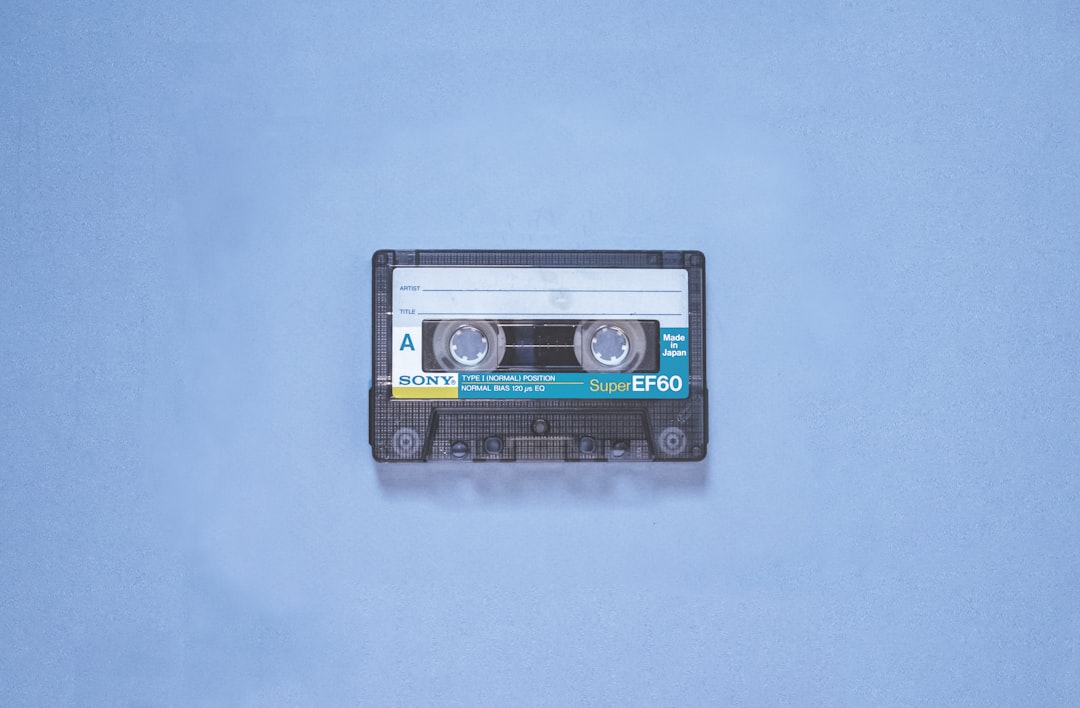

In a world obsessed with instant access, flash storage, and cloud dashboards, magnetic tape might sound like a technology from another era. Yet behind the scenes, it remains one of the most reliable and cost-effective ways to store enormous amounts of data. From scientific research centers to banks, hospitals, film studios, and hyperscale data centers, tape continues to do a job that newer technologies often struggle to match: keeping huge archives safe for decades.
TLDR: Magnetic tape stores data by magnetizing tiny particles on a long strip of coated plastic, then reading those magnetic patterns back when needed. It is slower than hard drives or SSDs for random access, but it is excellent for long-term, low-cost, high-capacity storage. For example, a media company archiving 5 petabytes of video footage may reduce storage energy use by more than 80% compared with always-on disk systems, because tape cartridges consume no power while sitting on a shelf. Modern tape is widely used for backups, disaster recovery, compliance archives, and massive scientific datasets.
How Magnetic Tape Works
At its core, magnetic tape is based on a simple but powerful idea: information can be represented by magnetic orientation. A tape cartridge contains a long ribbon of flexible plastic coated with microscopic magnetic particles. When data is written, a tape drive uses an electromagnetic write head to alter the direction of magnetization in small regions along the tape. These magnetized regions represent digital bits: ones and zeros.
When the data is read, the tape passes over a read head. The changing magnetic fields induce tiny electrical signals, which are interpreted by the drive’s electronics and converted back into digital information. Although the principle is similar to older cassette tapes, modern data tape is far more advanced. It uses sophisticated error correction, precise servo tracks, encryption options, and extremely dense recording methods.
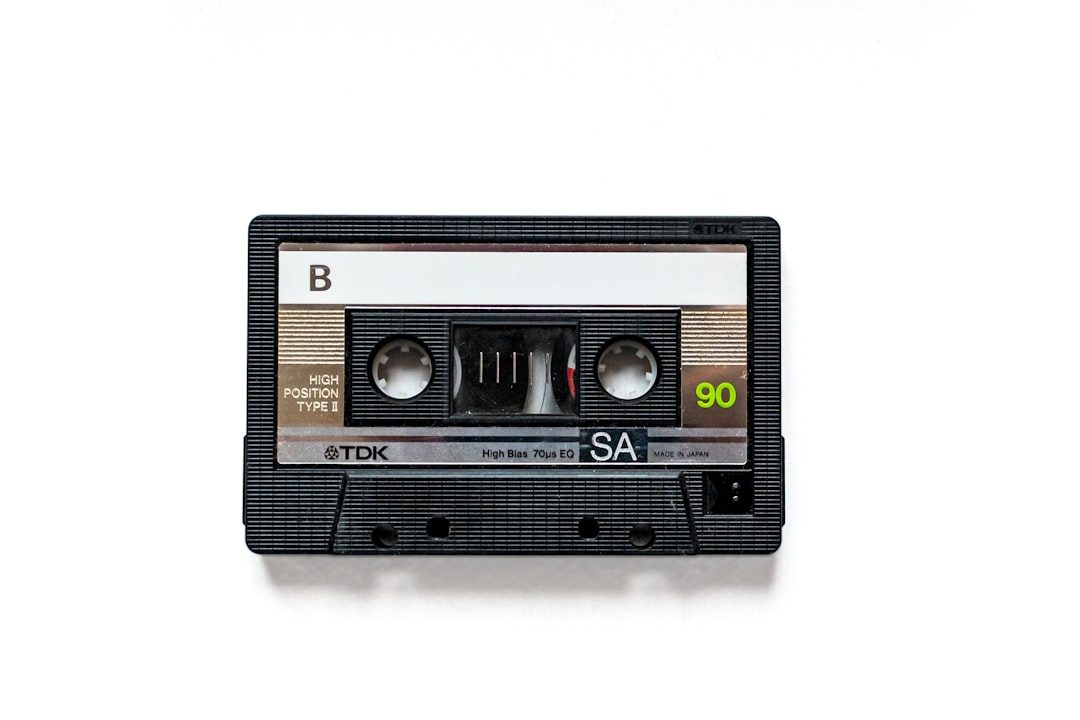
Most enterprise tape systems today use formats such as LTO, or Linear Tape Open. LTO cartridges store data in long parallel tracks, and the tape drive reads or writes as the tape moves back and forth. Because tape is sequential, it works best when large blocks of data are written or retrieved together. It is not ideal for opening thousands of small files instantly, but it is excellent for storing complete backups, media archives, research datasets, and regulatory records.
Why Tape Still Matters
Many people assume that hard drives, SSDs, and cloud storage have completely replaced tape. In reality, tape has evolved alongside them. One reason is scale. Organizations now generate more data than ever, and not all of it needs to be accessed every second. Some data must simply be preserved safely and affordably.
Magnetic tape fills this role very well because it offers a rare combination of high capacity, long shelf life, low energy use, and strong offline protection. A tape cartridge can be removed from a drive and stored without consuming electricity. This makes tape especially attractive for “cold data,” meaning data that is important but rarely accessed.
Key Advantages of Magnetic Tape
- Low cost per terabyte: Tape is often cheaper than disk-based storage for large archives, particularly when storage costs include electricity, cooling, and hardware replacement.
- Excellent long-term retention: Properly stored tape can last for decades. Many organizations use it for records that must be retained for 7, 10, 30 years, or even longer.
- Energy efficiency: Tape cartridges require no power when not in use. By contrast, disk arrays must often remain powered, cooled, monitored, and maintained.
- Strong protection against ransomware: Because tapes can be physically disconnected and stored offline, they create an “air gap” that attackers cannot easily reach through a network.
- Massive capacity: Modern LTO cartridges can hold many terabytes of compressed data, and capacities continue to increase with each generation.
- Portability: Cartridges can be moved to secure vaults, disaster recovery sites, or long-term archive facilities.
These benefits explain why tape remains a quiet but critical part of enterprise IT. It may not be glamorous, but it is dependable. In many storage strategies, tape is not competing directly with SSDs or hard drives; it is complementing them.
Limitations to Understand
Magnetic tape is not perfect for every workload. Its biggest limitation is access speed. Since data is stored sequentially, the tape may need to wind to the correct position before a file can be read. This makes tape slower for random access than disks or SSDs.
Tape also requires dedicated drives, compatible cartridges, and often a tape library or robotic system for large environments. Organizations must carefully manage formats, cleaning cycles, storage conditions, and migration plans as tape generations evolve.
However, these limitations are usually acceptable when tape is used for the right purpose. It is not meant to replace fast primary storage. Instead, it serves as a reliable archive and backup layer.

Modern Applications of Magnetic Tape
Magnetic tape is used in more places than many people realize. Its role has shifted from everyday personal use to large-scale professional storage.
1. Enterprise Backup and Disaster Recovery
Companies use tape to create secure backup copies of important systems. If a ransomware attack, hardware failure, or natural disaster destroys online data, offline tape backups may be the last clean copy available. Many IT teams follow the 3 2 1 backup rule: keep three copies of data, on two different media types, with one copy stored offsite. Tape fits naturally into that model.
2. Cloud and Hyperscale Archives
Even cloud providers use tiered storage strategies. While customers may see a simple interface, the backend can include a mix of SSDs, hard drives, optical media, and tape. For rarely accessed data, tape can provide a cost-effective archive layer that supports enormous scale.
3. Scientific Research
Research facilities in fields such as astronomy, genomics, climate modeling, and particle physics generate staggering volumes of data. A telescope survey, for instance, may produce petabytes of observations over time. Tape helps preserve the raw datasets so scientists can reanalyze them later with improved tools and models.
4. Media and Entertainment
Film studios, streaming platforms, broadcasters, and animation companies often store original footage, edited masters, color grading files, visual effects assets, and distribution versions. These files are large, valuable, and often needed years later for remastering or licensing. Tape offers a practical way to keep them safe without maintaining all assets on expensive high-performance storage.
5. Compliance and Legal Retention
Finance, healthcare, government, and legal organizations often have strict requirements for record retention. They may need to prove that data has been preserved accurately and securely. Tape supports write once read many workflows, encryption, barcoding, and controlled physical storage, making it useful for compliance-driven archives.
Is Magnetic Tape Environmentally Friendly?
Compared with always-on disk systems, tape can significantly reduce energy consumption for cold storage. Since cartridges draw no electricity while stored, large tape archives require far less operational power. This does not mean tape has no environmental footprint; cartridges, drives, robotics, facilities, and shipping all matter. Still, for data that may sit untouched for months or years, tape can be a greener choice.
This advantage is becoming more important as organizations focus on sustainability. Data growth is not slowing down, and storing everything on power-hungry systems is expensive both financially and environmentally. Tape provides a way to preserve information without keeping every byte spinning or electrically active.
The Future of Magnetic Tape
Magnetic tape has survived because it keeps improving. New generations continue to increase capacity and reliability, while better software makes tape archives easier to manage. Modern systems can integrate tape with cloud platforms, lifecycle management policies, and automated retrieval workflows.
The future of storage is not about one technology winning everything. It is about matching the right medium to the right job. SSDs are excellent for speed, hard drives are useful for active bulk storage, and magnetic tape remains outstanding for deep archives and resilient backups.
Far from being obsolete, magnetic tape is a specialist technology that solves a very modern problem: how to preserve massive amounts of data safely, affordably, and efficiently. As digital information continues to explode, that old-looking cartridge may remain one of the smartest tools in the data center.