

Product integration partnerships can turn a SaaS company from a useful tool into part of a customer’s daily operating system. When your product connects smoothly with the platforms your buyers already use, you reduce friction, increase retention, and open up new distribution channels. But choosing the right technology partners is not a guessing game; it requires structured research, customer insight, technical evaluation, and a clear commercial thesis.
TLDR: Researching product integration partnerships means identifying which platforms your customers already use, evaluating technical and business fit, and prioritizing integrations that can drive adoption, retention, or revenue. For example, if 42% of your CRM users also use a specific marketing automation platform, building that integration may reduce churn and create a strong co-marketing opportunity. The best partnerships are not just technically possible; they solve a recurring workflow problem and benefit both vendors.
Start With the Customer Workflow, Not the Partner Logo
Many SaaS teams begin partnership research by asking, “Which big platforms should we integrate with?” That question is tempting, but incomplete. A much better starting point is: “Where does our customer’s work begin, continue, and end?”
Your goal is to map the workflow around your product. If you sell project management software, your customers may also rely on communication tools, file storage, time tracking, reporting dashboards, and CRM systems. If you sell cybersecurity software, the surrounding ecosystem may include identity providers, endpoint management platforms, cloud infrastructure tools, and ticketing systems.
Use customer interviews, support tickets, sales calls, and product usage data to discover repeated integration requests. Look for patterns such as:
- Frequent customer requests: “Do you integrate with X?”
- Manual workarounds: users exporting CSV files or copying data between systems.
- Sales blockers: prospects delaying purchase because a required integration is missing.
- Churn signals: customers leaving for competitors with better ecosystem support.

Segment Potential Partners by Value
Not every integration deserves the same level of investment. Some are strategic, some are useful, and some are distractions. Once you build a list of possible technology vendors, group them based on the value they may create.
Customer value is the first category. Will the integration save time, improve data accuracy, automate a repetitive task, or unlock a more complete workflow? A lightweight integration that solves a daily pain point can be more valuable than a flashy partnership with a well-known brand.
Revenue value is the second category. Could the partnership influence new sales, expansion revenue, or enterprise deal velocity? If your sales team hears that 30% of mid-market opportunities require a specific integration, that vendor should move higher on your list.
Market value is another factor. Some integrations improve your positioning because they place you inside a recognized ecosystem. For example, listing your app in a major platform marketplace can create credibility even before it generates direct leads.
Technical value should also be considered. Some integrations create reusable infrastructure. Connecting with one identity management system, for instance, may help you design a framework that supports several others later.
Use Data Sources That Reveal Real Demand
Good partnership research combines qualitative and quantitative signals. Customer conversations are essential, but they should be supported by data that shows how often the need appears.
Useful sources include:
- CRM notes: Review closed lost deals, stalled opportunities, and enterprise requirements. Tag mentions of specific tools.
- Support tickets: Search for integration-related keywords and count how often each vendor appears.
- Product analytics: Identify customer segments that import, export, or connect data manually.
- Customer surveys: Ask users which tools are essential to their workflow and which integrations would save them the most time.
- App marketplaces: Study competitor listings, review counts, ratings, and user complaints.
- Community forums: Look at Reddit, Slack communities, LinkedIn groups, and vendor forums for repeated workflow frustrations.
A practical scoring model can help. Rate each potential partner from 1 to 5 across criteria such as customer demand, revenue impact, technical complexity, partner openness, and competitive importance. The highest total score does not automatically determine the roadmap, but it gives leadership a clearer basis for discussion.
Evaluate Technical Compatibility Early
A partnership can look excellent commercially but fail technically. Before investing months in business development conversations, your product and engineering teams should answer several core questions.
- Does the vendor offer a public API, private API, webhook system, SDK, or embedded app framework?
- Is the API well documented, stable, and actively maintained?
- What authentication standards are supported, such as OAuth 2.0 or SAML?
- Are there rate limits, data access restrictions, or compliance requirements?
- Can the integration support the customer experience you want, or only a partial workflow?
- Who will maintain the integration when APIs change?
Technical due diligence should include a small proof of concept where possible. Even a basic prototype can reveal hidden issues with permissions, data models, latency, or error handling. It is better to uncover these problems before announcing a partnership or committing to a launch timeline.

Study the Partner’s Ecosystem Strategy
Some technology vendors actively support partners; others treat integrations as a low priority. Research the vendor’s partner program, marketplace requirements, certification process, co-marketing policies, and support channels.
Ask questions such as:
- Is there a formal technology partner program?
- Do partners receive sandbox access, technical support, or roadmap visibility?
- Are marketplace listings curated, paid, or open?
- Does the vendor promote partner apps through newsletters, webinars, or sales enablement?
- Are there revenue sharing, referral, or reseller options?
This research helps you distinguish between a basic integration and a true go-to-market partnership. A vendor with a mature ecosystem may offer launch support, marketplace traffic, and account mapping opportunities. A vendor without partner infrastructure may still be worth integrating with, but expectations should be realistic.
Analyze the Competitive Landscape
Competitor research is one of the fastest ways to understand integration priorities. Look at your top competitors and list which platforms they integrate with. Pay attention not only to the number of integrations, but to how they present them.
If competitors heavily promote a specific integration, it may indicate meaningful demand. If reviews mention that an integration is unreliable or limited, you may have an opportunity to build a better version. If no competitor supports a particular platform but your customers repeatedly request it, that gap could become a differentiation point.
However, do not copy competitors blindly. They may be serving a different segment, carrying legacy integrations, or maintaining partnerships that no longer produce value. Competitive research should inform your thinking, not replace your own customer evidence.
Validate Mutual Business Value
A strong product integration partnership must benefit both sides. Your company may want access to a larger ecosystem, but the potential partner will ask, “Why does this matter to us?”
Prepare a simple value proposition for each target partner. Include customer overlap, use case strength, expected adoption, market segment, and promotional potential. If you can say, “We have 1,200 shared target accounts and 18% of our customers already use your platform,” your outreach becomes much more compelling.
Think about what you can offer beyond the integration itself:
- Co-authored educational content.
- Joint webinars for shared customer segments.
- Referral opportunities.
- Marketplace reviews and case studies.
- Sales enablement materials for both teams.
The best partnerships feel like ecosystem expansion, not one-sided dependency.
Prioritize, Test, and Measure
After research is complete, prioritize integrations in a roadmap that balances impact and effort. A simple framework is to classify opportunities as quick wins, strategic bets, and long-term ecosystem plays.
Quick wins may include low-complexity integrations requested by many customers. Strategic bets may require more engineering work but could unlock enterprise deals. Long-term ecosystem plays may involve major platforms where certification, security review, and co-selling alignment take time.
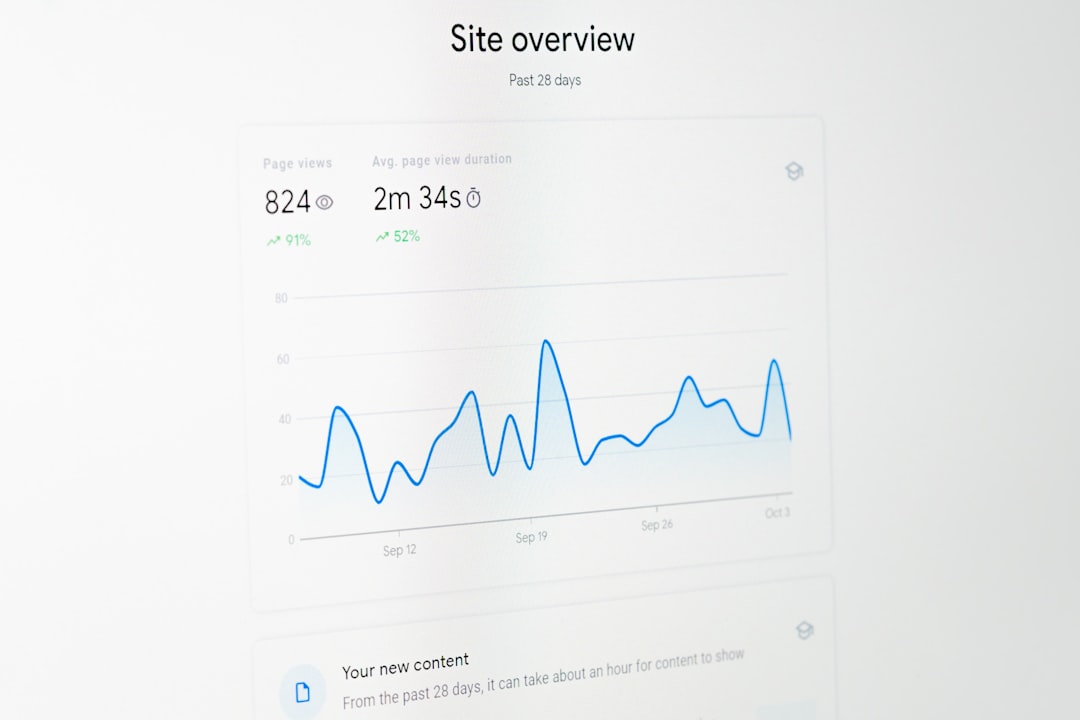
Once launched, measure performance. Track adoption rate, activated accounts, revenue influenced, churn reduction, support volume, and marketplace leads. For example, if an integration is used by only 6% of customers but those customers retain at a 20% higher rate, it may still be highly valuable.
Build a Repeatable Research Process
Integration partnership research should not happen once a year in a planning meeting. It should be an ongoing process connected to product strategy, sales feedback, customer success insights, and market intelligence.
Create a shared database of requested integrations, partner contacts, technical notes, customer examples, and scoring updates. Review it quarterly with product, partnerships, engineering, sales, and customer success leaders. This prevents decisions from being driven by the loudest customer, the largest prospect, or the most recognizable vendor name.
Ultimately, the right product integration partnerships make your SaaS product more useful, more defensible, and easier to buy. They connect your solution to the broader technology environment where customers already work. When researched carefully, integrations are not just features; they become distribution channels, retention drivers, and strategic bridges between companies that serve the same users.