Most teams comparing GrowthBook alternatives should start with Statsig, LaunchDarkly, or PostHog. GrowthBook is popular because it combines feature flags and experimentation, and its docs describe it as an open-source platform for feature flagging and A/B testing [source: GrowthBook]. Still, some teams outgrow it when they need deeper analytics, stronger governance, or a smoother enterprise setup.
TLDR: Statsig is often the best all-around pick for product teams that want flags, experiments, and metrics in one place. LaunchDarkly is stronger for engineering-heavy flag control, while PostHog fits teams that also need product analytics and session replay. For example, a B2B SaaS team shipping 4 releases per month could test a new onboarding flow on 10% of users, watch conversion move from 18% to 22%, then roll it out safely without waiting for another deploy.
1. Statsig
Best for: product teams that care about experiments, metrics, and fast decisions.
Statsig brings together feature flags, A/B testing, holdouts, funnels, cohorts, and product metrics. It feels built for teams that want the experiment result and the product impact in the same view. That saves time. No one wants to copy flag data into a separate analytics tool just to prove a release worked.
The platform is also strong for teams running many tests at once. It supports targeted rollouts, automated analysis, and feature gates. The catch is that smaller teams may need time to set up events and metrics cleanly. Messy tracking makes any experiment tool less useful.
2. LaunchDarkly
Best for: engineering teams that need serious release control.
LaunchDarkly is one of the best-known feature flag platforms. It shines when teams need controlled rollouts, kill switches, permissions, audit logs, and strong SDK coverage. It works well for large engineering groups where a bad release can cost real money.
Its experimentation and analytics features exist, but they are not always the main reason teams pick it. The main draw is release safety. Honestly, it feels like some teams buy LaunchDarkly because they are tired of risky deploys and late-night rollback panic.
The drawback is cost. It can get expensive as usage grows. Teams should check pricing against monthly active users, seats, environments, and flag volume before moving from GrowthBook.
3. PostHog
Best for: startups that want product analytics plus flags in one tool.
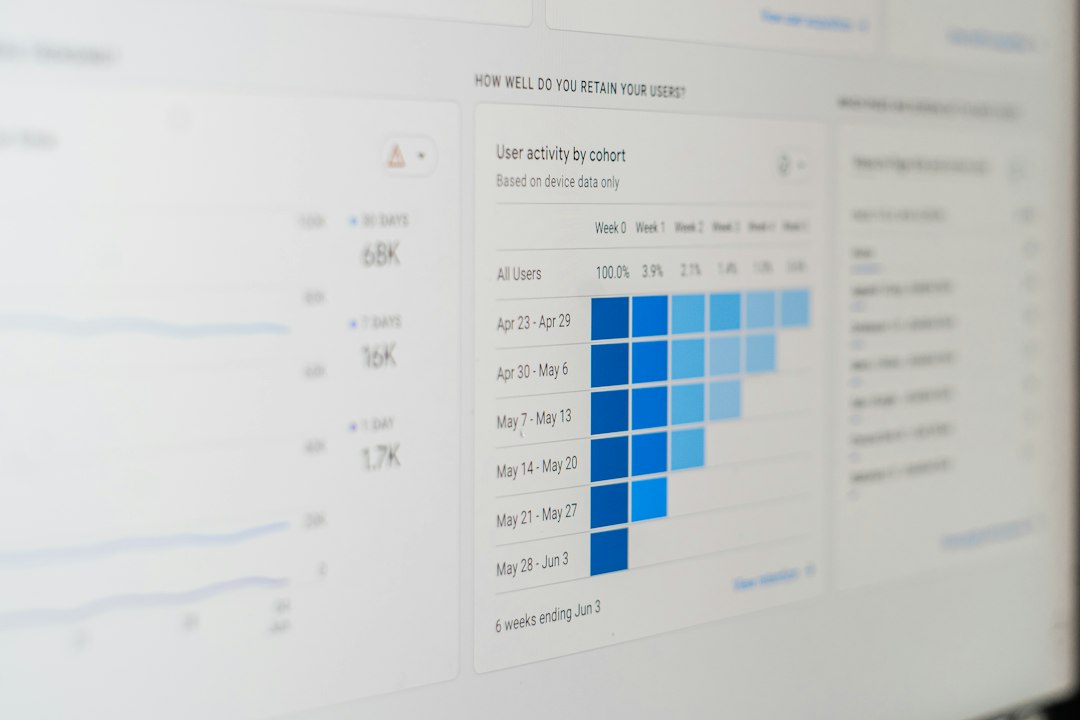
PostHog is a strong GrowthBook alternative because it does more than flags. It includes product analytics, session replay, feature flags, experiments, surveys, and event tracking. That makes it useful for teams that want to understand what users did after a feature was released.
It is especially appealing to product-led startups. A team can launch a feature to 20% of users, watch recordings, compare funnel drop-off, and ship the winner. That is a neat workflow.
The annoyance is setup noise. Event names, properties, and dashboards need care. If teams skip that work, PostHog can become a pile of charts that look busy but answer very little.
4. Optimizely Feature Experimentation
Best for: enterprise teams with mature testing programs.
Optimizely has a long history in experimentation. Its feature experimentation tools support server-side tests, feature rollouts, audience targeting, and stats built for serious testing teams. It suits companies that already have a culture of A/B testing and want governance around it.
Marketing, product, and engineering teams can work from a more formal testing process. That is useful in larger firms where approvals matter. It can feel heavy for smaller teams, though. Expect to waste time on setup if the company only runs one or two tests per quarter.

5. Unleash
Best for: teams that want open-source feature flags and self-hosting.
Unleash is a practical choice for teams that like GrowthBook partly because it is open source. It focuses on feature management. Teams can run gradual rollouts, constraints, strategies, and environments while keeping more control over infrastructure.
It works well for companies with strict data rules. Self-hosting can help when legal or security teams do not want user data flowing through another vendor. The tradeoff is clear. Unleash is not a full product analytics suite. Teams may need Amplitude, Mixpanel, PostHog, or a warehouse tool beside it.
6. Split by Harness
Best for: teams that want flags tied to software delivery and impact data.
Split, now part of Harness, combines feature flags with experimentation and release monitoring. It is useful for engineering teams that want to connect feature releases to business metrics and system health. That mix helps teams spot when a rollout hurts conversion, latency, or error rates.
Split is a good fit for bigger teams with formal release processes. It may feel like too much for early-stage startups. Smaller teams may prefer PostHog or Statsig because they can get from setup to insight faster.
Quick Comparison
- Best all-around GrowthBook alternative: Statsig
- Best for engineering control: LaunchDarkly
- Best for product analytics: PostHog
- Best for enterprise testing: Optimizely
- Best open-source flag tool: Unleash
- Best for release impact tracking: Split by Harness
How Teams Should Choose
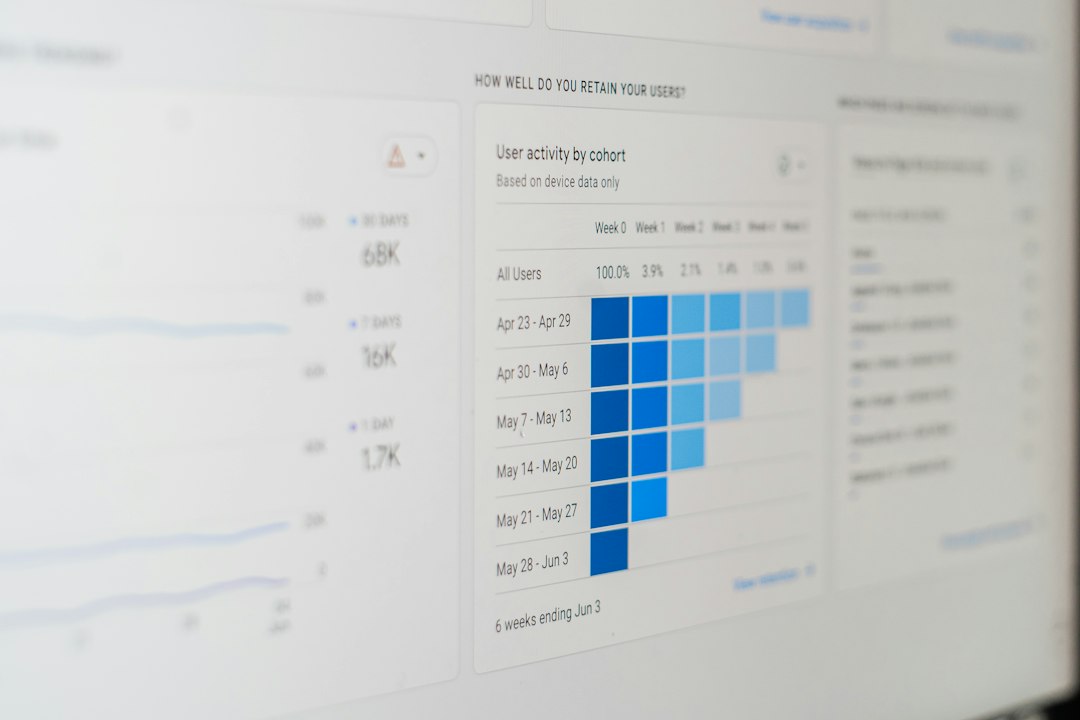
The right choice depends on the main pain. If releases feel risky, LaunchDarkly or Split makes sense. If product teams need answers about conversion, retention, and user behavior, Statsig or PostHog is stronger. If self-hosting matters most, Unleash deserves a close look.
GrowthBook is still a good option. It is not the wrong choice. But teams should switch when reporting feels limited, experiment setup slows people down, or business teams need clearer answers than “the flag is on.”
FAQ
What is the best GrowthBook alternative?
Statsig is the best general alternative for teams that want feature flags, experiments, and product metrics together. LaunchDarkly is better when release control is the main goal.
Which GrowthBook alternative is best for product analytics?
PostHog is the strongest pick for product analytics because it includes funnels, events, cohorts, session replay, surveys, flags, and experiments.
Which option is best for enterprise teams?
Optimizely and LaunchDarkly are strong enterprise choices. Optimizely suits mature experimentation programs. LaunchDarkly suits large engineering teams that need approval flows and audit controls.
Is there an open-source alternative to GrowthBook?
Unleash is a solid open-source feature flag platform. It is best for teams that want self-hosting and control, but it usually needs a separate analytics tool.
Should a startup move away from GrowthBook?
Not always. A startup should consider switching only if it needs deeper analytics, easier experiment reporting, stronger release controls, or better support for larger teams.