Imagine your workplace is a busy kitchen. People need tools. They need space. They need clear jobs. They need to know where the coffee is. If nobody manages the kitchen, chaos wins. Workplace management is the art of keeping that chaos away.
TLDR: Workplace management is how a company plans, runs, and improves the place where people work. It covers spaces, tools, safety, schedules, technology, and employee needs. It matters because a well-managed workplace helps people feel better, work faster, and waste less time. In short, it turns “Where is the meeting room?” into “Let’s get things done.”
So, What Is Workplace Management?
Workplace management is the process of making sure a workplace works well.
That sounds simple. It is. But it also covers a lot.
It can include:
- Office layout
- Desk booking
- Meeting rooms
- Cleaning
- Security
- Safety rules
- Office supplies
- Remote work tools
- Employee comfort
- Energy use
- Building maintenance
It is not just about chairs and lights. It is about people. It asks, “How can we help people do their best work here?”
A good workplace is not only nice to look at. It is easy to use. It feels safe. It supports focus. It supports teamwork. It makes Monday feel a little less Monday.
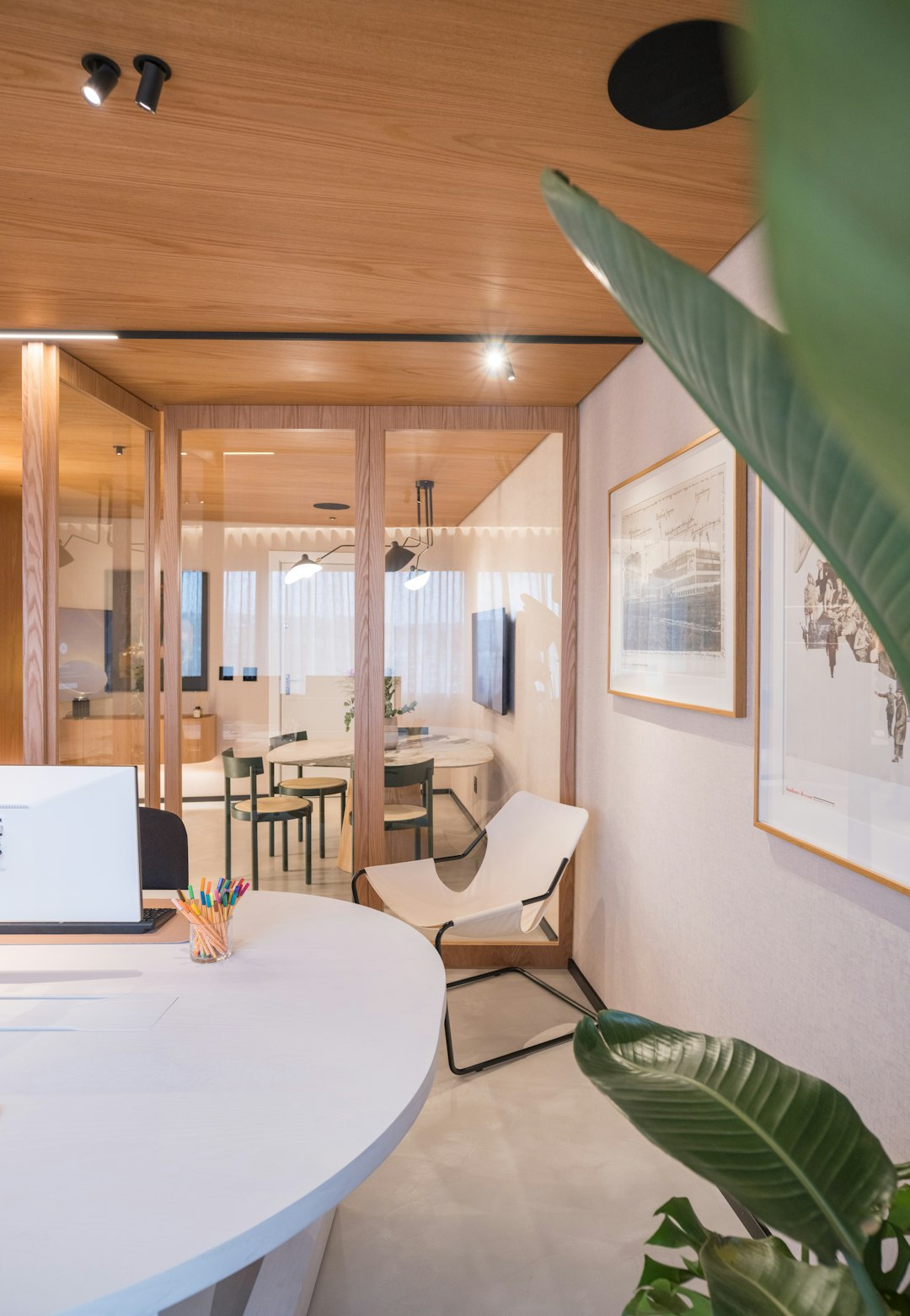
Workplace Management Is Like Being a Great Host
Think about hosting a party.
You make sure there are enough seats. You check the music. You put snacks where people can find them. You show guests where the bathroom is. You fix problems before anyone notices.
Workplace management is similar.
The goal is to make the workday smooth. People should not spend 20 minutes hunting for a working marker. They should not book a meeting room that has no chairs. They should not freeze under the office air conditioner like penguins in suits.
A well-managed workplace removes bumps from the day.
Small bumps matter. One missing charger is annoying. A broken door badge is annoying. A noisy desk near a focus area is annoying. Add them up, and people get tired.
Workplace management smooths those bumps. It helps people spend energy on work, not office drama.
What Does a Workplace Manager Do?
A workplace manager is part planner, part fixer, part detective, and part magician.
They may handle many daily tasks, such as:
- Making spaces work: They plan desks, break rooms, meeting areas, and quiet zones.
- Supporting employees: They listen to needs and solve common office problems.
- Managing vendors: They work with cleaners, security teams, repair teams, and food suppliers.
- Tracking supplies: They make sure the office has paper, pens, coffee, cables, and other basics.
- Improving safety: They help create safe exits, clear rules, and emergency plans.
- Using technology: They may manage booking apps, visitor systems, and workplace data.
- Planning change: They help teams move, grow, shrink, or switch to hybrid work.
In smaller companies, one person may do all of this. In larger companies, there may be a whole team.
Either way, the mission is the same. Create a workplace where people can do good work without fuss.
Why Does Workplace Management Matter?
Because the workplace affects almost everything.
It affects mood. It affects focus. It affects teamwork. It affects health. It affects how people feel about the company.
If the workplace is messy, loud, confusing, or unsafe, people notice. They may not always say it out loud. But they feel it.
If the workplace is clean, clear, safe, and useful, people notice that too.
Good workplace management can make a company feel more human. It tells employees, “We thought about your day. We care about your comfort. We want you to succeed.”
It Helps People Work Better
People do better work when they have what they need.
This does not mean every office needs a slide, a nap pod, and a gold-plated snack wall. Fun perks can be nice. But basics matter more.
People need:
- A place to focus
- A place to meet
- Working internet
- Good lighting
- Comfortable seating
- Easy access to tools
- Clear signs and systems
When these things work, people waste less time.
They do not have to ask where things are. They do not have to fight for rooms. They do not have to sit in weird corners because there are not enough desks.
The workplace becomes a helper, not a hurdle.
It Saves Money
Workplace management is not just about comfort. It is also about cost.
Office space is expensive. Empty desks are expensive. Wasted energy is expensive. Bad planning is expensive.
A company may pay for a huge office, but only half the desks are used. Or it may have too few meeting rooms, so teams lose time. Or lights may stay on all night. Or broken equipment may sit unfixed until it causes bigger problems.
Good workplace management spots these issues.
It helps companies use space wisely. It helps reduce waste. It helps plan for real needs, not guesses.
That is a big deal. Saving money means more room for people, projects, and growth.
It Supports Hybrid Work
Work has changed.
Many people no longer go to the office every day. Some work from home. Some come in two days a week. Some travel. Some use coworking spaces. Some seem to appear only when snacks arrive.
This is called hybrid work.
Hybrid work needs smart workplace management.
Why? Because the old rules do not always work.
If employees come in on different days, they may not need assigned desks. They may need desk booking. They may need better meeting rooms for video calls. They may need clear schedules, so teams know when to meet in person.
Without good systems, hybrid work can feel messy.
With good systems, it can feel flexible and smooth.
It Improves Employee Experience
Employee experience means how people feel during their time at work.
This includes big things, like career growth and leadership. But it also includes daily details.
Is it easy to enter the building? Is the office clean? Can people find a quiet room? Are guests welcomed well? Is the kitchen stocked? Are the bathrooms working? Is the temperature normal for humans?
These details create feelings.
When the workplace runs well, employees feel supported. When it runs badly, they feel ignored.
And feelings matter.
People are more likely to stay at a company when they feel cared for. They are more likely to speak well of the company. They are more likely to bring energy to the day.
A good workplace does not solve every problem. But it can make work feel better.
It Encourages Teamwork
Workplace design affects how people connect.
If teams need to share ideas often, they need spaces for that. If people do deep focus work, they need quiet areas. If new employees are learning, they need easy access to mentors.
Workplace management helps balance these needs.
Too much open space can be noisy. Too many closed rooms can feel lonely. Too few places to gather can slow teamwork.
A smart workplace gives people choices.
- Open areas for quick chats
- Meeting rooms for group work
- Quiet spots for focus
- Phone booths for calls
- Break areas for casual talks
Great ideas often happen between formal meetings. They happen at coffee machines. They happen near whiteboards. They happen when people bump into each other and say, “Wait, I have an idea.”
Workplace management creates the stage for those moments.
It Keeps People Safe
A workplace must be safe. This is not optional. It is the base layer.
Workplace management helps with safety in many ways.
It can include:
- Clear emergency exits
- Fire safety checks
- First aid supplies
- Visitor sign in systems
- Clean walkways
- Secure entry points
- Healthy air quality
- Safe equipment
Safety also means people feel comfortable. They should know where to go. They should know who to ask for help. They should be able to report issues easily.
A safe workplace gives people peace of mind. That peace helps them focus.
It Uses Data to Make Better Choices
Modern workplace management often uses data.
Do not worry. This does not mean robots are judging your lunch habits.
It means companies can track useful information, such as:
- Which desks are used most
- Which meeting rooms are always booked
- Which days are busiest
- How much energy the building uses
- How often equipment breaks
- What employees request most
This helps leaders make smarter choices.
For example, if Tuesdays are packed and Fridays are empty, the company can plan around that. If small meeting rooms are always full, it may create more. If no one uses a certain area, it can be changed.
Data turns guesswork into better planning.
Common Workplace Management Problems
Even good companies can struggle with workplace management.
Common problems include:
- Too much clutter: People cannot find what they need.
- Bad room booking: Rooms are booked but empty. Or full but not booked.
- Poor communication: Employees do not know the rules or changes.
- Too much noise: Focus becomes hard.
- Not enough flexibility: The space does not match how people work.
- Slow repairs: Small problems become big ones.
- No feedback loop: Employees have no easy way to share needs.
The good news is that these problems can be fixed.
The first step is to notice them. The next step is to ask people what they need. Then test small changes. Keep what works. Change what does not.
Simple Ways to Improve Workplace Management
You do not need a giant budget to improve a workplace.
Start with simple steps.
- Ask employees: Use short surveys. Ask what helps and what hurts their workday.
- Walk the space: Look for broken items, confusing signs, noise issues, and unused areas.
- Fix the basics: Clean spaces, working tools, good lighting, and safe paths matter a lot.
- Create clear rules: Make room booking, guest visits, and hybrid schedules easy to understand.
- Offer different spaces: People need focus, teamwork, calls, and breaks.
- Use simple tech: Booking tools and request forms can remove confusion.
- Review often: Work changes. The workplace should change too.
Small upgrades can have a big effect.
A better sign can save time. A quiet zone can reduce stress. A stocked supply cabinet can prevent the classic office treasure hunt.
Workplace Management Is Not Just for Big Offices
Some people think workplace management is only for huge companies with shiny towers.
Not true.
Every workplace needs management.
A small office needs it. A warehouse needs it. A clinic needs it. A school needs it. A remote team needs it too.
Even if there is no physical office, people still need support. They need tools, policies, communication, and culture. They need to know how to work together from different places.
Workplace management is really about creating the right environment for work. That environment can be physical, digital, or both.
The Big Picture
Workplace management matters because work is not just tasks. Work is people doing tasks in a setting.
If the setting is poor, the tasks feel harder. If the setting is strong, people can move with more ease.
A great workplace does not happen by accident. Someone plans it. Someone checks it. Someone improves it. Someone notices that the office plant is somehow alive and that the printer is somehow not.
At its best, workplace management is invisible. People do not think about it because everything works. The doors open. The rooms are ready. The tools are there. The space fits the day.
That is the magic.
Final Thoughts
Workplace management is the behind the scenes work that helps a workplace run well. It blends people, space, tools, safety, and systems.
It matters because it shapes the daily work experience. It helps people focus. It supports teamwork. It saves money. It keeps people safe. It makes hybrid work easier.
Most of all, it shows care.
When a workplace is managed well, employees feel it. They may not cheer for the perfect desk booking system. They may not write poems about clean meeting rooms. But they will notice that the day feels smoother.
And in the world of work, smooth is powerful.