A logo is often the smallest visual asset a brand owns, yet it carries an enormous amount of responsibility. It appears on websites, packaging, business cards, social profiles, app icons, invoices, signage, uniforms, and advertisements. A strong logo does not simply “look good”; it communicates personality, builds recognition, and gives audiences a memorable shortcut to the brand behind it.
TLDR: Great logo design is built on clarity, relevance, simplicity, and consistency. The process usually begins with research, moves through sketching and refinement, and ends with adaptable final files and usage guidelines. The best logos are distinctive, scalable, easy to recognize, and meaningful without being overly complicated.
Why Logo Design Matters
A logo is not the entire brand, but it is one of the most visible parts of it. Think of it as a visual signature: a quick mark that helps people identify a company, product, organization, or personal brand. When designed well, it can make a brand feel established before a customer reads a single word.
Logos influence first impressions. A financial firm may need to look trustworthy and stable, while a children’s toy brand may want to feel playful and colorful. A restaurant logo might suggest freshness, luxury, tradition, or speed depending on its audience and positioning. In every case, the logo should support the broader message the brand wants to send.
Core Principles of Effective Logo Design
Although logo styles change over time, the principles behind effective logo design remain fairly consistent. The best logos usually follow a few important rules.
1. Simplicity
Simple logos are easier to remember, reproduce, and recognize. This does not mean a logo must be boring. It means the design should avoid unnecessary details that distract from the main idea. A clean symbol, a well-chosen typeface, or a clever arrangement of shapes can often communicate more than a crowded illustration.
Simplicity is especially important in digital environments. A logo may need to appear as a tiny favicon, a social media profile image, or an app icon. If the design depends on fine lines, tiny text, or complex gradients, it may lose impact at smaller sizes.
2. Relevance
A logo should feel appropriate for the brand it represents. This includes industry, audience, values, and tone. A law office and a music festival can both have excellent logos, but they probably should not look the same. The visual language must match the expectations and emotions connected to the brand.
Relevance does not mean being literal. A bakery logo does not always need a loaf of bread, and a tech company does not always need a circuit board. Sometimes relevance comes through color, shape, typography, or overall mood rather than obvious imagery.
3. Memorability
A memorable logo gives people something to hold onto. That might be a distinctive symbol, an unusual letterform, a strong color combination, or a clever visual idea. The key is to create something recognizable without relying on excessive complexity.
Memorability often comes from one strong concept, not five competing ones. If viewers can describe the logo after seeing it briefly, the design is likely doing its job.
4. Versatility
A logo must work across many formats and environments. It should be effective in full color, black and white, large scale, small scale, print, and digital use. A beautiful logo that only works on a white background or only looks good in one size is not truly functional.
- Horizontal layouts for website headers and signage
- Stacked layouts for square or vertical spaces
- Icon only versions for social media and apps
- Monochrome versions for stamps, embroidery, or engraving
5. Timelessness
Trends can be useful inspiration, but a logo should not feel outdated after a year. A timeless logo avoids depending too heavily on fashionable effects, gimmicks, or overly specific visual trends. This does not mean the design must be plain; it means it should be built on strong fundamentals rather than temporary popularity.
The Logo Design Process
Professional logo design is rarely a single moment of inspiration. It is a structured process that combines strategy, creativity, testing, and refinement. While every designer works differently, most successful logo projects follow several key stages.
1. Discovery and Research
The process begins with understanding the brand. Before drawing anything, it is important to ask questions such as:
- What does the brand offer?
- Who is the target audience?
- What emotions should the logo create?
- Who are the competitors?
- What makes this brand different?
- Where will the logo be used most often?
Research helps prevent generic design. It reveals patterns in the industry, identifies opportunities for differentiation, and gives the designer a clear direction. For example, if every competitor uses blue and gray, a warmer color palette might help a brand stand out, assuming it still fits the brand personality.
2. Strategy and Concept Direction
Once the research is complete, the designer defines the creative direction. This might include keywords such as bold, minimal, premium, friendly, organic, or innovative. These words act as a filter for design decisions.
At this stage, mood boards can be helpful. A mood board gathers visual references, colors, textures, typography examples, and imagery that express the desired brand feeling. It does not replace original design, but it helps align expectations before detailed logo concepts are created.
3. Sketching and Exploration
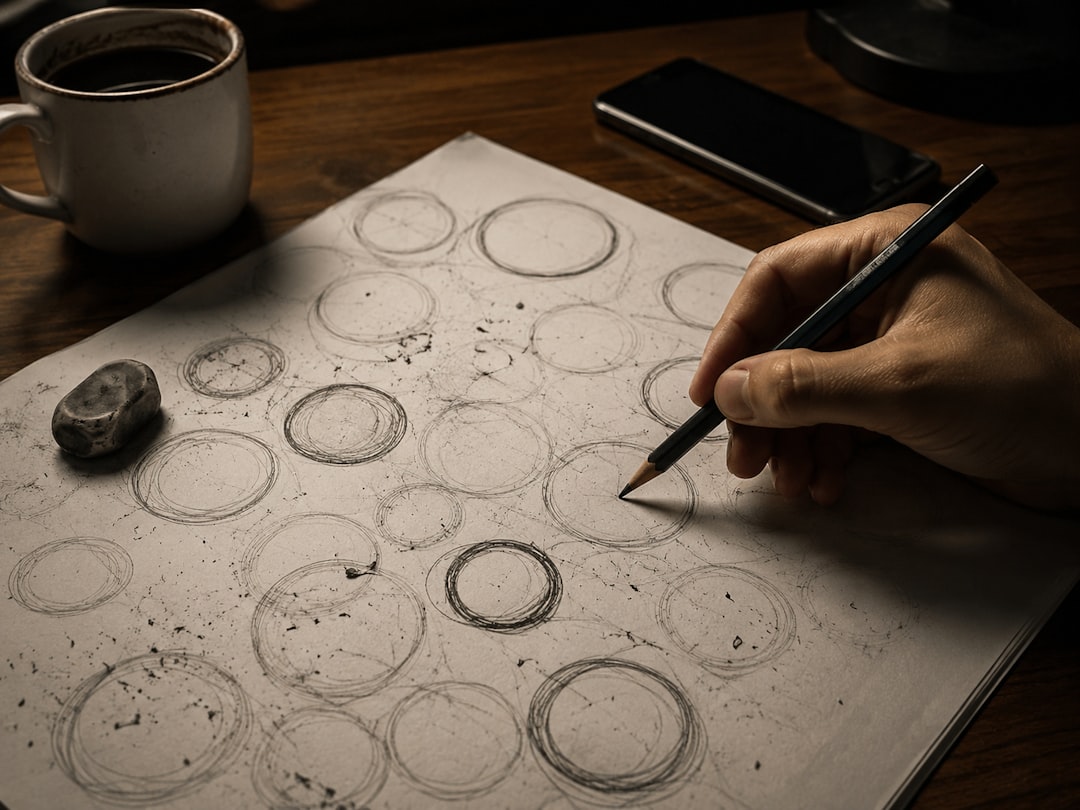
Sketching is where ideas begin to take shape. Even in a digital world, rough sketches are valuable because they allow quick experimentation without getting distracted by software details. Designers may explore symbols, initials, wordmarks, abstract shapes, or combinations of visual elements.
This stage is about quantity as much as quality. Many weak ideas may be produced before a strong one appears. It is normal to create dozens of rough concepts, then narrow them down to the few with the most potential.
4. Digital Development
After promising sketches are selected, they are recreated and refined using design software. This is where proportions, spacing, geometry, and typographic details become more precise. A rough concept may look good on paper, but digital refinement reveals whether it truly works as a professional logo.
Designers often test multiple versions of the same idea. Small adjustments to line weight, letter spacing, corner radius, or symbol placement can dramatically improve the final result. Good logo design is often a game of subtle decisions.
5. Typography Selection
Typography plays a major role in logo design. A wordmark can be entirely typographic, while a combination mark pairs text with a symbol. The typeface should match the brand personality. Serif fonts can suggest tradition, elegance, or authority. Sans serif fonts often feel modern, clean, and accessible. Script or handwritten fonts can feel personal, artistic, or luxurious, but they must remain readable.
In many professional logos, the typography is customized. Letters may be adjusted, simplified, connected, or redrawn to make the mark more distinctive. Even minor changes can turn a common typeface into something ownable.
6. Color Development
Color affects emotion and recognition. Red may feel energetic or urgent. Blue can suggest trust or calm. Green often connects with nature, health, or growth. Black can feel premium, bold, or sophisticated. However, color meaning varies by culture, industry, and context, so it should be chosen carefully.
A strong logo should work in black and white before color is added. If the design only succeeds because of its color effects, the underlying shape may not be strong enough. Color should enhance the logo, not rescue it.
7. Testing and Refinement
Before being finalized, a logo should be tested in real-world scenarios. It may look impressive on a large presentation slide but fail on a small mobile screen. Testing reveals whether the logo is flexible, legible, and visually balanced.
- View it at very small sizes.
- Print it in black and white.
- Place it on light and dark backgrounds.
- Test it on mockups such as packaging, websites, and business cards.
- Compare it with competitor logos.

Common Types of Logos
Different brands require different logo structures. Understanding the main types can help guide the design approach.
- Wordmarks: Logos built primarily from the brand name, ideal for brands with distinctive names.
- Lettermarks: Logos based on initials, useful for long names or formal organizations.
- Symbols: Icon-based marks that can become highly recognizable over time.
- Combination marks: Logos that pair a symbol with text, offering flexibility and clarity.
- Emblems: Text contained within a badge or seal, often used for heritage, schools, clubs, or official organizations.
There is no single best type. The right choice depends on the name, audience, industry, and use cases. New brands often benefit from combination marks because they connect the name with a visual symbol until recognition grows.
Best Practices for Logo Designing
Design for the Audience, Not Yourself
A logo should appeal to the people the brand wants to reach. Personal taste matters less than strategic fit. Designers and business owners should avoid choosing a logo simply because it matches their favorite style. The better question is: Will this resonate with the intended audience?
Avoid Overused Symbols
Globes for international businesses, light bulbs for ideas, leaves for eco brands, and swooshes for speed are common because they are easy to understand. However, they can also make a logo feel generic. If using a familiar symbol, it should be handled in a fresh or distinctive way.
Prioritize Legibility
If people cannot read the brand name, the logo may fail no matter how attractive it is. This is especially important for small businesses, startups, and new products that do not yet have widespread recognition. Decorative fonts, extreme spacing, and complex lettering should be used with caution.
Keep the System Consistent
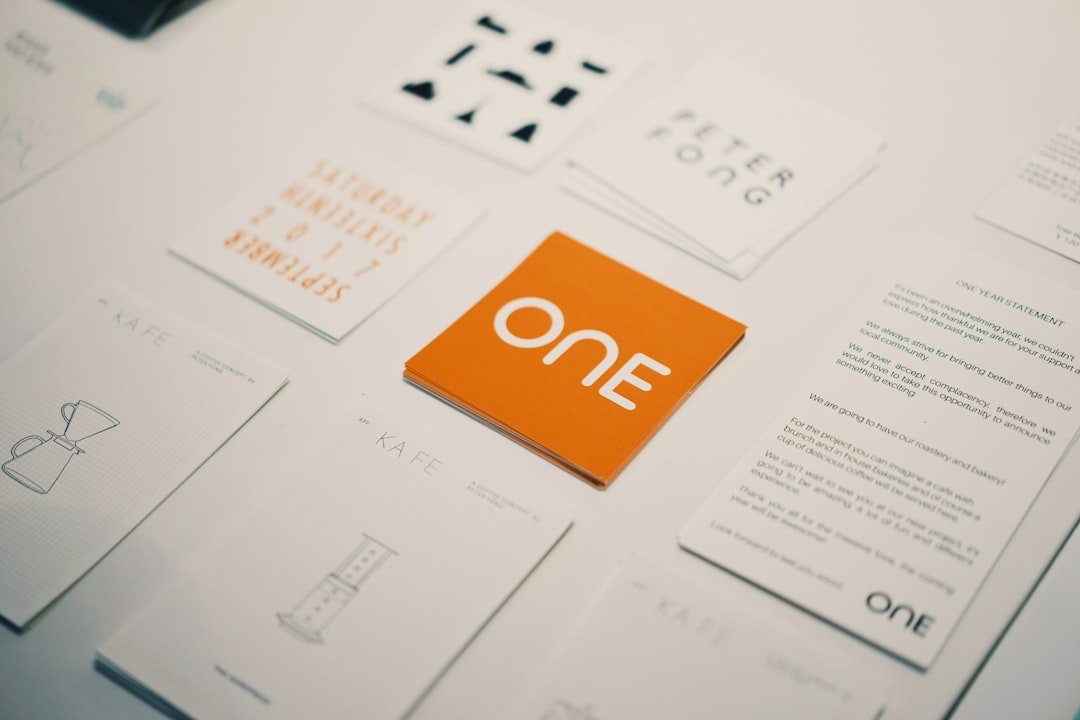
A logo is part of a larger visual identity. Colors, typography, spacing, icon style, photography, and brand voice should all feel connected. A logo may be the centerpiece, but consistency across all materials is what builds long-term recognition.
Prepare Proper File Formats
Final logo files should be delivered in formats suitable for different uses. Vector formats are essential because they can scale without losing quality. Raster formats are useful for everyday digital use.
- SVG: Great for websites and scalable digital use
- EPS or AI: Common for print and professional production
- PDF: Useful for sharing and printing
- PNG: Good for transparent backgrounds online
- JPG: Suitable for simple digital previews or documents
Mistakes to Avoid
Some logo problems appear again and again. Avoiding these mistakes can make a major difference in the quality and longevity of the design.
- Using too many colors: This can make the logo harder to reproduce and less cohesive.
- Following trends blindly: Trend-based logos can become dated quickly.
- Adding too much detail: Small details often disappear when the logo is reduced.
- Ignoring spacing: Poor alignment and uneven spacing can make a logo feel unprofessional.
- Copying competitors: Similarity weakens recognition and may create legal problems.
The Value of a Logo Guideline
Once a logo is complete, it should be supported by basic usage rules. These guidelines explain how the logo should appear and how it should not be used. They may include color values, minimum size, clear space, background rules, and examples of incorrect stretching, recoloring, or rearranging.
Guidelines are especially important when multiple people will use the logo. Without them, the mark may be distorted, placed on unsuitable backgrounds, or combined with inconsistent colors. Over time, these small inconsistencies can weaken the brand.
Final Thoughts
Logo designing is a blend of art, strategy, psychology, and practical problem-solving. A good logo must be attractive, but it must also be useful. It needs to work at different sizes, communicate the right feeling, stand apart from competitors, and remain recognizable over time.
The most successful logos often look simple in hindsight, but that simplicity is usually the result of careful thinking and refinement. By following strong principles, using a thoughtful process, and applying best practices, designers can create logos that do more than decorate. They can create marks that help brands become familiar, trusted, and remembered.