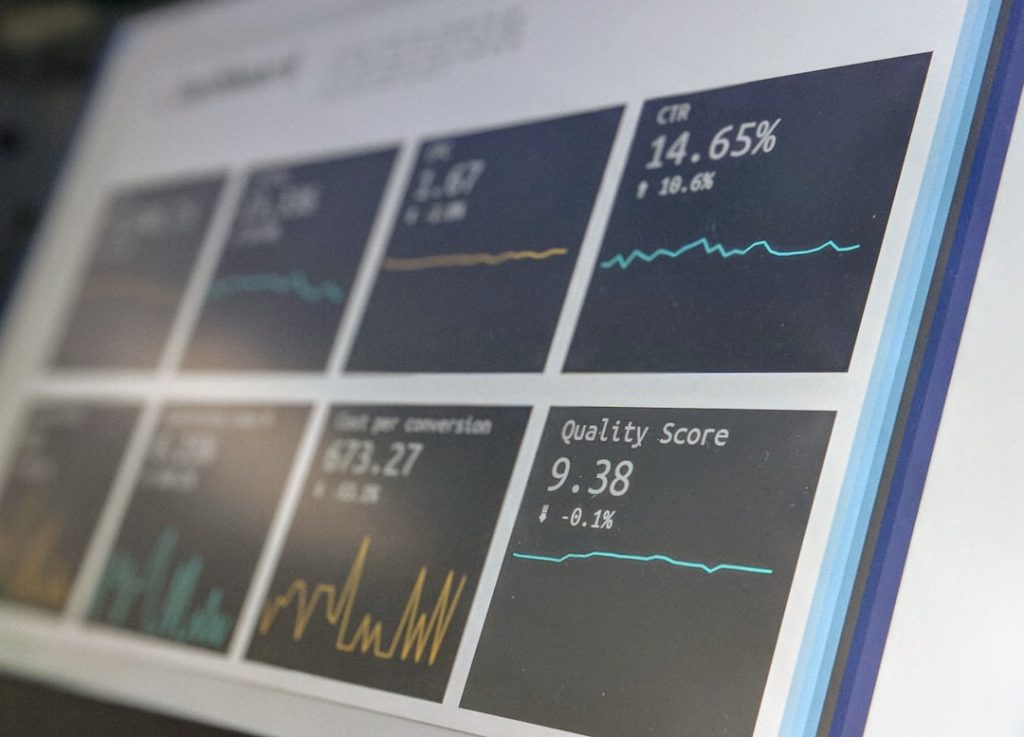

CreatorIQ is usually the better Earned Media Value calculator for enterprise influencer programs, while HypeAuditor is stronger for fast creator vetting, fraud checks, and benchmark-based campaign estimates. Both can help assign a dollar value to influencer results, but they answer slightly different questions. CreatorIQ is built for teams that need deep campaign tracking, approvals, reporting, and custom EMV logic. HypeAuditor is better when a brand wants quicker checks on audience quality, engagement, and likely campaign value before spending heavily.
TLDR: CreatorIQ fits larger brands that need a customizable EMV calculator tied to full campaign workflows. HypeAuditor fits teams that care more about creator discovery, fake follower detection, and fast value estimates. For example, if a campaign generated 1.2 million impressions, 48,000 engagements, and $82,000 in tracked sales, CreatorIQ would be better for combining those numbers into a custom brand report. HypeAuditor would be better for spotting that 22% of a creator’s audience looks suspicious before the contract is signed.
What an Earned Media Value Calculator Actually Measures
An Earned Media Value calculator, often called an EMV calculator, estimates what influencer exposure would have cost if a brand had bought the same reach through paid media. It assigns value to metrics such as impressions, video views, likes, comments, shares, saves, clicks, mentions, and sometimes conversions.
The problem is simple: EMV is not a universal number. One platform may value an Instagram comment at $0.50. Another may value it at $2.00. A TikTok view may be weighted differently from a YouTube view. That means two tools can report very different EMV for the same campaign.
This is why comparing CreatorIQ and HypeAuditor is less about finding the “true” EMV and more about choosing the tool that creates the most useful estimate for the team’s goals.

CreatorIQ: Best for Enterprise EMV and Campaign Reporting
CreatorIQ is built for large influencer marketing programs. It is often used by global brands, agencies, and media companies that manage many creators across several campaigns, markets, and social platforms.
Its strength is structure. A team can track creator contracts, campaign briefs, content approvals, performance metrics, payments, audience data, and final campaign reports in one place. The EMV calculation can sit inside that wider system instead of acting like a separate math widget.
For EMV, CreatorIQ is useful because teams can often apply custom formulas. A beauty brand may value saves and comments more than likes. A gaming brand may care more about video completion rates and Twitch engagement. A retail brand may blend EMV with affiliate clicks and sales. CreatorIQ supports this more mature style of reporting.
It also helps when several teams need the same source of truth. Brand, paid media, PR, ecommerce, and finance teams can review campaign value through dashboards and exports. That matters when a seven-figure influencer budget needs to be defended internally.
The catch is that CreatorIQ can feel heavy. Setup takes time. Data rules need planning. Team permissions, creator onboarding, and reporting templates can slow early use. For a small team that only needs a quick EMV snapshot, it may feel like buying a commercial kitchen to make toast.
HypeAuditor: Best for Creator Vetting and Fast EMV Estimates
HypeAuditor is known for influencer discovery, audience analysis, fraud detection, and campaign benchmarking. Its EMV features are useful, but the bigger value often comes before the campaign starts.
HypeAuditor can help estimate whether a creator is worth the fee. It reviews audience quality, location, age, gender, engagement rate, suspicious follower patterns, and account growth. This is practical because paid reach is easy to fake. Real influence is harder.
For example, a creator may show 300,000 followers and a 4.8% engagement rate. HypeAuditor may flag that only 64% of the audience appears authentic, with a high share of mass followers. That can change the campaign math fast. A $7,500 post may no longer look efficient once low-quality reach is removed.
HypeAuditor also works well for teams comparing creators across categories. If a brand wants to shortlist 50 fitness creators in the United States with strong female audiences and low fraud risk, HypeAuditor can speed that process up. Its EMV estimates then help rank creators by expected return.
It drives teams crazy that EMV can still feel like a black box, though. Some benchmark values are hard to explain to a CFO who wants a clear formula. HypeAuditor is strong at screening creators, but complex post-campaign attribution may still require added analytics tools.

CreatorIQ vs HypeAuditor: Key Differences
- Best fit: CreatorIQ suits enterprise campaign management. HypeAuditor suits discovery, vetting, and audience checks.
- EMV style: CreatorIQ favors custom campaign reporting. HypeAuditor favors benchmark-led estimates and creator quality context.
- Fraud detection: HypeAuditor is especially strong here. CreatorIQ includes data quality tools, but HypeAuditor is often picked for audit depth.
- Workflow: CreatorIQ handles briefs, approvals, reporting, creator CRM, and measurement. HypeAuditor is simpler for research and selection.
- Ease of use: HypeAuditor is usually quicker to start. CreatorIQ requires more setup but gives more control.
- Reporting depth: CreatorIQ is stronger for multi-market, multi-brand reports. HypeAuditor is stronger for creator-level diagnostics.
Which Platform Gives the Better EMV Number?
Neither platform gives a perfect EMV number. A calculator can estimate media value, but it cannot fully measure brand lift, cultural impact, creator trust, or long-term customer behavior.
CreatorIQ may give the better EMV number when a brand has clear internal rules. For example, a company may decide that one qualified engagement is worth $1.20, one verified click is worth $3.50, and one completed video view is worth $0.08. CreatorIQ can help apply that model across campaigns.
HypeAuditor may give the better planning number before the campaign. If one creator has high reach but weak audience quality, the apparent EMV may be inflated. HypeAuditor helps correct that by showing whether the audience is real, relevant, and active.
A smart team may use both types of thinking. First, it screens creators for quality. Then it measures final campaign value with a consistent EMV formula.
Practical Use Case
A skincare brand plans a product launch with 20 Instagram and TikTok creators. The budget is $120,000. Before booking talent, the team uses HypeAuditor to remove creators with more than 25% suspicious audience signals. That cuts the shortlist from 80 creators to 34.
After the campaign, the brand uses CreatorIQ to report performance. The campaign delivers 3.8 million impressions, 146,000 engagements, 18,500 clicks, and 2,100 tracked purchases. The final dashboard shows $310,000 in EMV and a 2.6x value-to-cost ratio. More useful than the big EMV number is the breakdown: TikTok creators drove 61% of impressions, while Instagram creators drove 72% of purchases.

Pricing and Team Fit
CreatorIQ is usually positioned for larger budgets. It tends to make sense when influencer marketing is a serious channel, not a side project. Agencies and enterprise brands often get the most from it because they need governance, repeatable reporting, and CRM-style creator management.
HypeAuditor can suit small and mid-sized teams better, especially when their main pain is choosing the right creators. It is also useful for agencies that conduct audits or prepare pitch decks with audience quality data.
Cost should be judged against wasted spend. If a tool prevents one poor $20,000 creator deal, it may pay for itself. If the team only runs two small gifting campaigns a year, a full enterprise system may be overkill.
Final Verdict
CreatorIQ is the stronger choice for measuring influencer campaign value after the work goes live. It is better for teams that need custom EMV formulas, internal reporting, and organized campaign operations.
HypeAuditor is the stronger choice for protecting budget before the campaign starts. It helps teams avoid creators with inflated numbers, weak audiences, or suspicious engagement.
The best choice depends on the main risk. If the risk is poor reporting, CreatorIQ is safer. If the risk is hiring the wrong creators, HypeAuditor may save more money.
FAQ
What is an Earned Media Value calculator?
An Earned Media Value calculator estimates how much influencer exposure would cost if bought as paid media. It turns impressions, engagements, views, clicks, and mentions into a dollar value.
Is CreatorIQ better than HypeAuditor for EMV?
CreatorIQ is usually better for custom EMV reporting across full campaigns. HypeAuditor is better for creator audits and quick value estimates before a campaign begins.
Can EMV prove influencer ROI?
No. EMV shows estimated media value, not profit. ROI should also include sales, leads, traffic, brand lift, content reuse value, and customer acquisition cost.
Why do EMV numbers differ between tools?
Each platform uses different rates, weights, and assumptions. A comment, view, or share may be valued differently depending on the tool and platform.
Should a brand use both CreatorIQ and HypeAuditor?
Some teams do. HypeAuditor can screen creators before contracts are signed. CreatorIQ can manage campaigns and report value after content goes live.