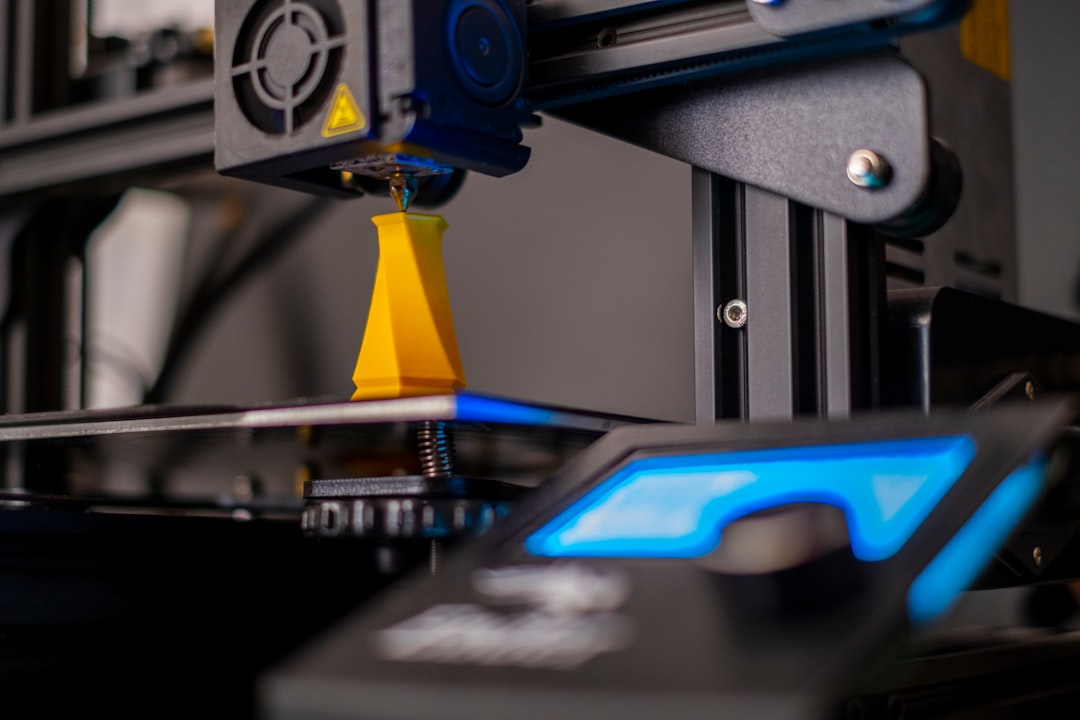

Big ideas need room to grow. That is where a 300mm 3D printer shines. It gives you enough build space for large prototypes, small production runs, jigs, fixtures, cosplay parts, tools, and chunky product models. It is the sweet spot between a desktop printer and a giant industrial beast.
TLDR: A 300mm 3D printer is great if you want bigger parts without buying a huge machine. The best picks include the Creality K1 Max, QIDI X Max 3, Prusa XL, Raise3D Pro3 Plus, and Elegoo Neptune 4 Plus. Choose an enclosed printer for strong materials like ABS, ASA, and nylon. Choose an open printer if you want big PLA prints on a friendlier budget.
Why 300mm Is Such a Nice Size
A 300mm build volume is big. But it is not silly big. It can fit on a sturdy desk or workbench. It can print useful parts in one piece. It can also print many smaller parts at once.
That matters for large-scale prototyping. You do not want to glue every model together. You want to test shape, strength, fit, and function fast. A larger bed makes that easier.
It also matters for manufacturing. You can print batches. You can fill the bed with brackets, housings, clips, trays, and end-use parts. More space means fewer print jobs. Fewer print jobs means more time saved.
Think of it like a pizza oven. A tiny oven can still make pizza. But a bigger oven makes party night much easier.
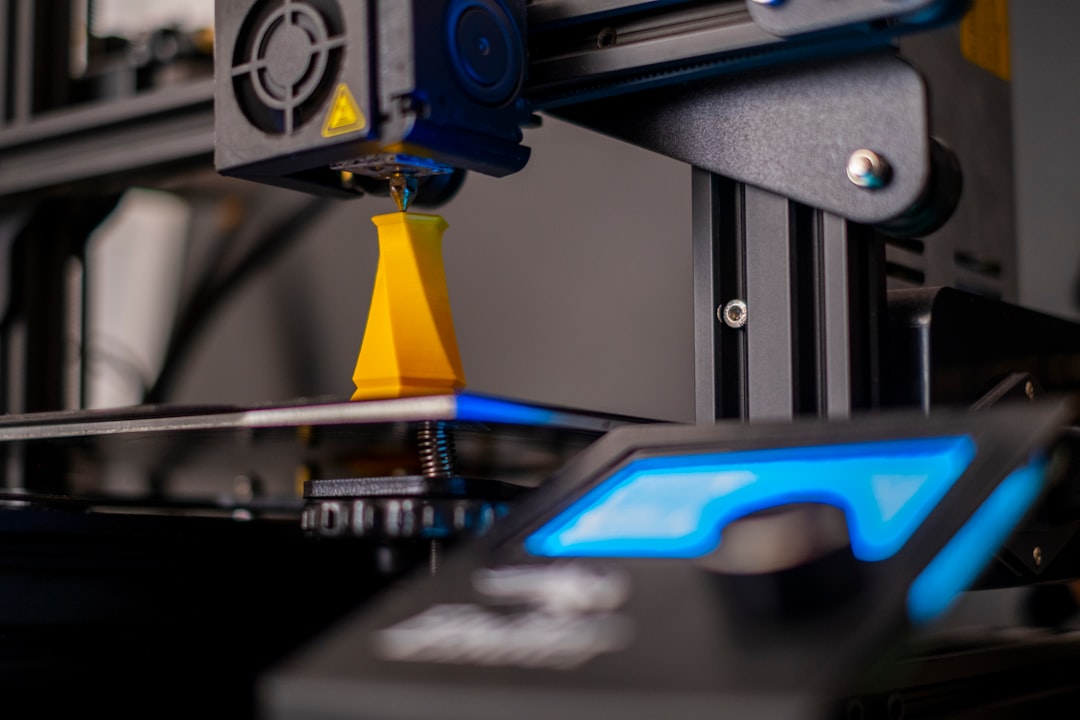
What To Look For In A 300mm 3D Printer
Do not buy only because the box says “large.” Look at the full machine. The best 300mm printers are stable, fast, and easy to maintain.
- Build volume: Look for at least 300mm on one or more axes. A cube shape is very useful.
- Enclosure: This helps with ABS, ASA, nylon, and other tougher materials.
- Bed leveling: Auto leveling saves time and reduces failed prints.
- Hotend temperature: Higher temperatures support more advanced materials.
- Bed temperature: A hot bed helps large prints stay flat.
- Frame strength: Big prints need a rigid machine. Wobble is the enemy.
- Speed: Fast is nice. Reliable fast is better.
- Software: Good slicing profiles make life easier.
- Support: Spare parts and community help are very important.
1. Creality K1 Max: Fast And Friendly
The Creality K1 Max is one of the most popular 300mm class printers. It has a 300 x 300 x 300mm build volume. That is a clean cube. Very tidy. Very useful.
It is also enclosed. That helps with materials that dislike cold air. The CoreXY design makes it fast. You can print big PLA prototypes without waiting forever. That feels great.
The K1 Max also has auto leveling and a built-in camera. Some versions include AI features for print monitoring. These can help catch spaghetti prints before they become a full pasta restaurant.
Best for: Fast prototyping, product models, hobby labs, small business use.
Watch out for: Like many fast printers, it needs good tuning and dry filament. Do not feed it soggy filament and expect magic.
2. QIDI Tech X Max 3: Tough Material Hero
The QIDI Tech X Max 3 is a serious machine. It has a build volume of about 325 x 325 x 315mm. That gives you extra room beyond the 300mm mark.
Its big win is the heated chamber. This is very useful for engineering materials. ABS, ASA, PA, PC, and carbon fiber blends all behave better in a warm chamber. Large parts warp less. Corners stay down. Your mood stays up.
The X Max 3 also feels built for work. It is not just a toy with a big bed. It is a good fit for shops that make brackets, tooling, fixtures, and strong prototypes.
Best for: Functional parts, engineering materials, small manufacturing, durable prototypes.
Watch out for: It costs more than many hobby printers. But you get a more capable setup.
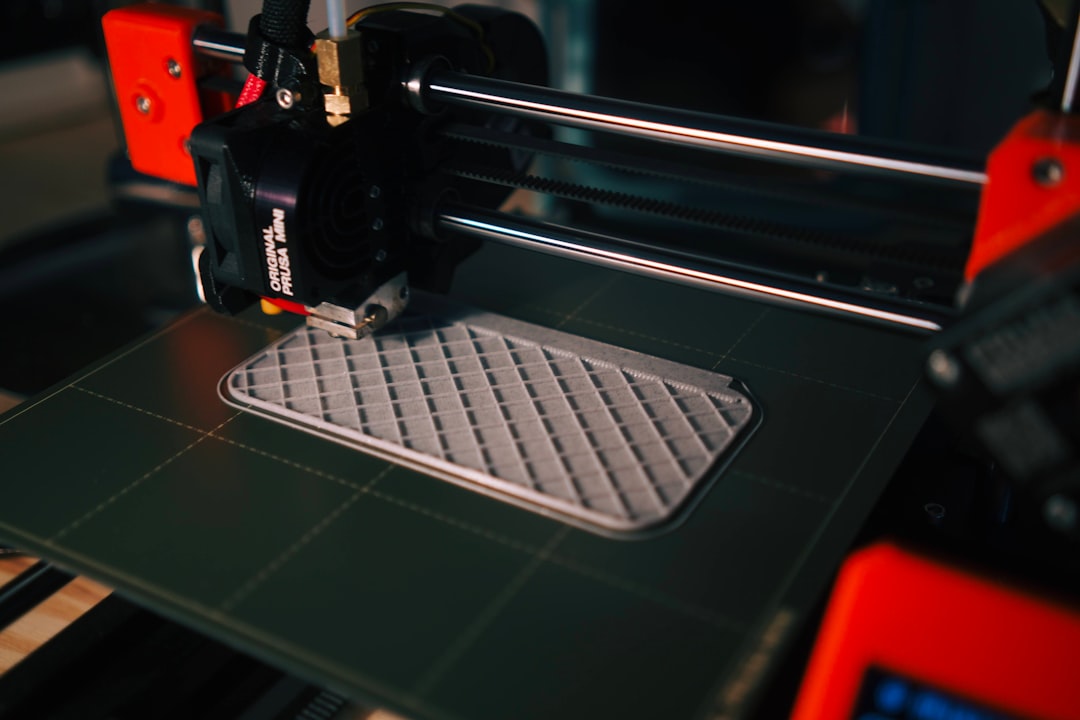
3. Prusa XL: The Modular Monster
The Prusa XL is fun. It is big. It is smart. It has a build volume of 360 x 360 x 360mm. That is more than enough for many large prototypes.
The headline feature is the tool changer. You can choose versions with multiple tool heads. This means true multi-material printing. It can print with different nozzles, colors, or support materials. That is excellent for complex products.
Prusa machines are known for good software and a strong user community. That matters. When a machine is used for business, you want answers fast. You do not want to become a detective at 2 a.m.
Best for: Multi-material prototypes, design studios, advanced users, detailed large prints.
Watch out for: It is not the cheapest. Some setups require assembly. Also, the multi-tool version is more complex.
4. Raise3D Pro3 Plus: Tall, Clean, And Professional
The Raise3D Pro3 Plus is made for professional use. Its build volume is around 300 x 300 x 605mm. Notice that height. It is tall. Very tall.
This is great for long parts. Think ducts, vases, covers, fixtures, architectural models, and display prototypes. The printer is enclosed and has dual extrusion. That means it can print support material or two materials in one job.
The machine also has a polished feel. The interface is friendly. The frame is solid. The workflow is smooth. It feels like a printer made for an office, lab, or production floor.
Best for: Professional prototyping, tall models, dual-material parts, business use.
Watch out for: It is larger and more expensive. It makes sense if you will use it often.
5. Elegoo Neptune 4 Plus: Big Value For Less Money
The Elegoo Neptune 4 Plus is a budget-friendly large printer. It has a build volume of about 320 x 320 x 385mm. That is generous for the price.
It is an open-frame printer. So it is best for PLA, PETG, and TPU. You can print huge visual prototypes and practical parts. It is fast too, thanks to Klipper-based firmware.
This printer is great if you want size without spending a mountain of cash. It is also good for makers who like to tinker. You may need to dial in settings. But that is part of the fun for many users.
Best for: Budget large prints, PLA prototypes, cosplay, models, workshop parts.
Watch out for: It is not enclosed. Large ABS prints are not its happy place.
6. Anycubic Kobra 2 Max: When 300mm Is Not Enough
The Anycubic Kobra 2 Max goes way beyond 300mm. Its build volume is about 420 x 420 x 500mm. That is huge for the money.
It is a good choice if you want to print big items in one piece. Helmets, props, furniture concepts, product shells, and display models all fit better here.
It is open-frame, so use it mostly for PLA and PETG. It is not the best pick for demanding industrial materials. But for large visual prototypes, it can be a beast.
Best for: Very large PLA prints, cosplay, display models, big prototypes on a budget.
Watch out for: Big beds need careful leveling. Large prints also take a long time. Be patient.
7. Flashforge Guider 3 Plus: Big And Business Ready
The Flashforge Guider 3 Plus has a large build volume of about 350 x 350 x 600mm. It is a strong option for businesses that need tall and large prints.
It is enclosed. It has a sturdy frame. It is made for steady use. That makes it a good fit for schools, labs, and small production teams.
The machine supports many common materials. It also has a more professional style than many entry-level printers. If you want a cleaner workflow, this one is worth a look.
Best for: Education, labs, business prototyping, tall functional parts.
Watch out for: Check material support and nozzle options before buying. Match the printer to your parts.
Enclosed Or Open Frame?
This is a big choice. It changes what you can print well.
Open-frame printers are simple and often cheaper. They are great for PLA, PETG, and flexible TPU. They are also easy to access. But they do not protect prints from drafts.
Enclosed printers keep heat inside. This helps large parts stay stable. It is important for ABS, ASA, nylon, and polycarbonate. If you want functional manufacturing parts, an enclosure is a smart move.
Here is the simple rule:
- Mostly PLA prototypes? Open-frame is fine.
- Strong shop parts? Get an enclosed machine.
- Nylon or carbon fiber blends? Look for high nozzle heat and chamber control.
- Office use? Enclosed printers are cleaner and quieter.
Best Choices By Use Case
Still deciding? Here is the quick matchmaker section. No roses needed.
- Best overall 300mm cube: Creality K1 Max.
- Best for engineering materials: QIDI Tech X Max 3.
- Best for multi-material work: Prusa XL.
- Best for professional tall prints: Raise3D Pro3 Plus.
- Best budget large printer: Elegoo Neptune 4 Plus.
- Best huge budget option: Anycubic Kobra 2 Max.
- Best business-ready large format pick: Flashforge Guider 3 Plus.
Tips For Large-Scale Printing
Large prints are awesome. They are also a little dramatic. A small mistake can waste a lot of filament. So use smart habits.
- Dry your filament. Wet filament causes weak parts and ugly surfaces.
- Clean the bed. Finger grease is sneaky. It ruins adhesion.
- Use brims when needed. They help large corners stay down.
- Slow down first layers. A good first layer is the boss of the print.
- Check nozzle wear. Carbon fiber filament eats brass nozzles.
- Use the right infill. More infill is not always better. Good wall count often matters more.
- Split parts when smart. One-piece prints are cool. But split parts can be stronger and faster.
Final Thoughts
A 300mm 3D printer is a fantastic tool for modern making. It gives you real space. It supports bigger ideas. It can turn a sketch into a product sample, a shop fixture, or a usable part.
If you want speed and a clean 300mm cube, pick the Creality K1 Max. If you need strong parts from serious materials, choose the QIDI Tech X Max 3. If you want multi-material magic, look at the Prusa XL. For professional tall prints, the Raise3D Pro3 Plus is a strong choice.
The best printer is not always the biggest one. It is the one that fits your materials, your parts, your budget, and your patience. Choose well. Then print big. And maybe clear some shelf space first.