
For buyers interested in Japanese goods, collectibles, vintage items, hobby products, or hard-to-find merchandise, online auction platforms can feel like a doorway into a much larger marketplace. NipponMonoAuction.com presents itself as a destination for people who want to browse and bid on items connected to Japan, with an auction-style experience rather than a standard fixed-price shop. This review looks at how the platform appears to work, what features users may find useful, and what buyers should consider before placing a bid.
TLDR: NipponMonoAuction.com is an online auction-style platform focused on Japanese items, potentially appealing to collectors, resellers, and fans of niche products. Its main attraction is the possibility of bidding on unique goods rather than simply buying from a catalog. Users should pay close attention to auction rules, fees, shipping details, and item descriptions before participating. As with any auction site, the best experience comes from setting a budget, researching items, and bidding carefully.
What Is NipponMonoAuction.com?
NipponMonoAuction.com is best understood as a website built around the concept of Japanese auction buying. The name itself suggests a focus on “Nippon,” meaning Japan, and “mono,” meaning things or items. In practical terms, that positions the platform as a place where users may browse listings, compete in auctions, and attempt to win products that may not be easy to find through ordinary international retailers.
The appeal of this kind of platform is simple: Japan has a massive market for collectibles, fashion, electronics, toys, anime goods, watches, car parts, musical instruments, vintage homeware, and limited-edition merchandise. Many of these items are released regionally or circulate mainly within Japanese resale channels. For international buyers, an auction platform can make the hunt more accessible, though it can also introduce extra steps such as bidding strategy, payment deadlines, and shipping arrangements.
Who Is the Platform For?
NipponMonoAuction.com is likely to be most interesting for users who already enjoy the process of searching for specific or unusual products. It may not be the ideal option for someone who wants instant checkout, predictable pricing, and next-day delivery. Instead, it suits people who enjoy comparison, timing, and discovery.
Typical users may include:
- Collectors looking for rare figures, cards, books, records, watches, or memorabilia.
- Anime and manga fans searching for limited merchandise, art books, posters, or character goods.
- Fashion buyers interested in Japanese streetwear, vintage garments, bags, or accessories.
- Resellers comparing auction prices to identify potentially profitable inventory.
- Hobbyists seeking camera gear, model kits, tools, instruments, or parts.
Because auction listings can vary widely in quality, value, and condition, the platform is best approached with patience. The most successful buyers are usually those who are willing to read carefully, research market prices, and avoid emotional bidding wars.
How the Auction Process Works
Although exact procedures can vary from site to site, the general auction process on a platform such as NipponMonoAuction.com typically follows a familiar pattern. A seller or marketplace listing displays an item with photos, a title, a description, a starting price, and an auction deadline. Users place bids within the allowed time window, and the highest valid bid at the end of the auction usually wins.
The basic flow may look like this:
- Create an account: Users generally need to register before bidding, saving items, or managing purchases.
- Browse or search listings: Categories, keywords, filters, and sorting tools help narrow down available auctions.
- Review item details: Buyers should examine photos, condition notes, dimensions, included accessories, and seller information.
- Place a bid: A user enters the amount they are willing to pay, often above the current highest bid.
- Monitor the auction: Other bidders may increase the price before the closing time.
- Win or lose: If the user has the highest accepted bid when the auction ends, they proceed to payment.
- Arrange shipping: Depending on the platform’s system, shipping may be calculated during or after checkout.
This process can be exciting, especially when an item is rare or underpriced. However, it also requires discipline. A low starting price does not guarantee a bargain, because competitive bidding can raise the final price quickly.
Key Features to Look For
A good auction platform is not only about the items listed. The overall experience depends on how easy it is to search, understand listings, manage bids, and complete purchases. When reviewing NipponMonoAuction.com, users should pay attention to several core features.
Search and Category Navigation
Search quality matters a great deal in auction environments. If the platform offers detailed categories, keyword search, saved searches, or filters by price, condition, closing time, and item type, it becomes much easier to find valuable listings. Buyers hunting for niche products may benefit from experimenting with related search terms, including brand names, Japanese terms, model numbers, and product codes.
Listing Details and Photos
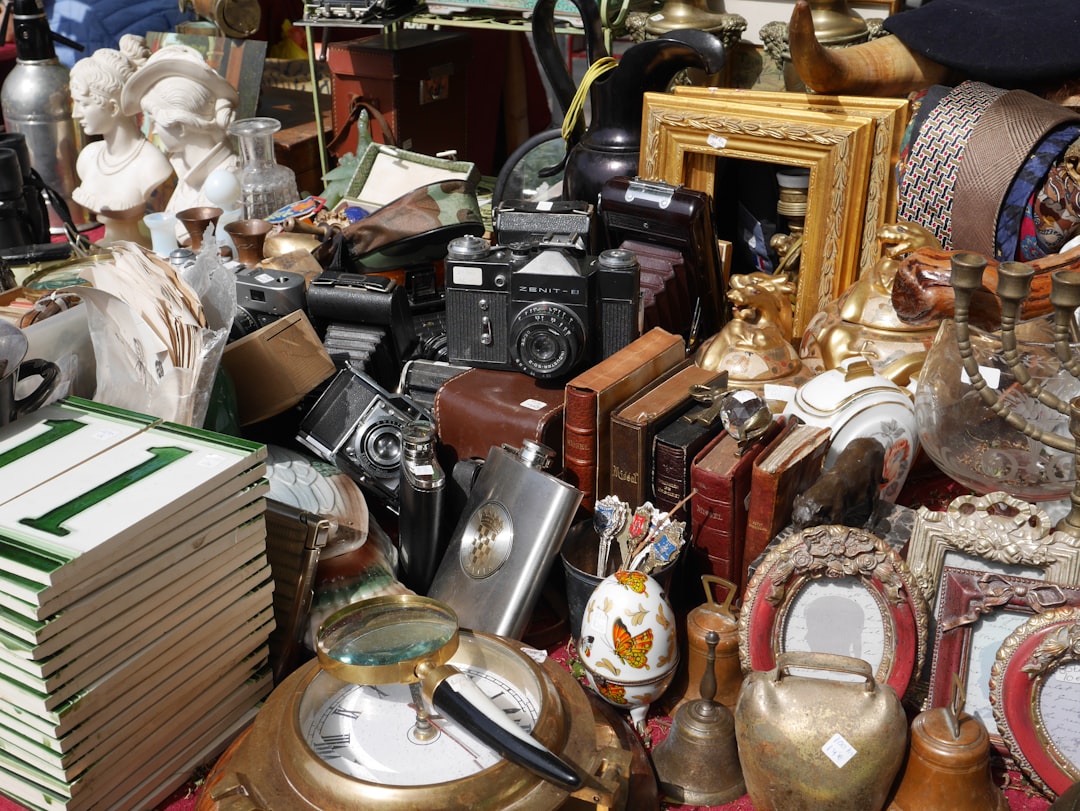
Strong item listings should include clear photos from multiple angles, accurate descriptions, condition notes, and any known defects. For used items, especially collectibles and electronics, condition is often the biggest factor in value. A figure with a damaged box, a watch with replacement parts, or a camera with fungus in the lens may be worth far less than it first appears.
Tip: If a listing description is brief or unclear, do not assume the best. In auctions, uncertainty is a risk that should be reflected in the amount you are willing to bid.
Watchlists and Bid Tracking
Useful auction sites often provide a watchlist function, allowing users to save items without bidding immediately. This can help buyers compare several listings at once and avoid rushing into a purchase. Bid tracking is also important, especially if a user is participating in several auctions ending around the same time.
Payment and Currency Information
Because Japan-focused auction platforms may involve international buyers, currency clarity is essential. Users should check whether prices are shown in yen, dollars, euros, or another currency, and whether exchange rates are fixed at checkout or handled by a payment provider. Payment methods may include credit cards, bank transfers, digital wallets, or other options, depending on the platform.
Buyers should also look for possible additional charges, including:
- Platform service fees
- Payment processing fees
- Domestic shipping within Japan
- International shipping
- Storage or consolidation fees
- Customs duties and import taxes
These costs can significantly change the final price. A winning bid that looks inexpensive may become less attractive after shipping and fees are added.
Shipping, Delivery, and International Buying
Shipping is one of the most important parts of any Japan-based auction purchase. Some platforms directly ship internationally, while others use warehouses, forwarding services, or proxy arrangements. Buyers should determine whether NipponMonoAuction.com handles shipping in-house or requires additional steps after winning an auction.
Important shipping questions include:
- Where is the item shipped from? Japan-based shipping can vary in cost depending on weight and size.
- Can multiple items be consolidated? Consolidation can reduce shipping costs for buyers who win several auctions.
- Are tracking and insurance available? These are especially important for expensive or fragile items.
- Are some items restricted? Batteries, liquids, weapons, food, and certain electronics may face shipping limitations.
- Who pays customs fees? In most cases, the buyer is responsible for import duties in their own country.
For large or delicate items, such as guitars, audio equipment, ceramics, or automotive parts, shipping can be expensive. Before bidding, it is wise to estimate the total landed cost rather than focusing only on the auction price.
Advantages of Using NipponMonoAuction.com
The strongest advantage of a platform like NipponMonoAuction.com is access. If the site provides a well-organized gateway to Japanese auctions or Japan-related listings, it may help international buyers discover products they would otherwise miss. For collectors, that can be a major benefit.
Potential advantages include:
- Unique inventory: Auctions may include discontinued, rare, or region-exclusive items.
- Competitive pricing: Some listings may close below typical retail or reseller prices.
- Discovery value: Browsing auctions can reveal items buyers did not know existed.
- Collector appeal: Japanese secondhand markets are known for well-preserved goods in many categories.
- Dynamic buying experience: Bidding can be more engaging than standard shopping.
For users who enjoy the hunt, the auction format can be part of the fun. There is a certain satisfaction in finding a listing, waiting patiently, placing a smart bid, and winning at a fair price.
Possible Drawbacks and Risks
No auction platform is perfect, and users should approach NipponMonoAuction.com with the same caution they would apply to any online marketplace. Auctions can create urgency, and urgency can lead to mistakes. The biggest risk is overpaying because of excitement or competition.
Other possible concerns include unclear item condition, limited seller communication, shipping surprises, delayed delivery, non-refundable purchases, and customs charges. If the platform acts as an intermediary rather than the direct seller, buyers should also understand who is responsible if an item arrives damaged, incorrect, or not as described.
Before bidding, always review:
- The item description and photos
- The seller or listing reputation, if available
- The auction end time
- The total expected cost
- The return or dispute policy
- The payment deadline

Tips for Better Bidding
A smart bidding strategy can make the difference between a good deal and buyer’s remorse. The first rule is to decide your maximum price before placing a bid. This number should include not only the item value but also estimated shipping, fees, and taxes.
Consider these practical tips:
- Research market value: Compare recent sale prices on other marketplaces before bidding.
- Do not chase every auction: If the price climbs too high, let it go.
- Check condition carefully: Small flaws can greatly affect collectible value.
- Watch the closing time: Some auctions become active only in the final minutes.
- Start with lower-risk items: New users may want to test the process with a modest purchase.
- Keep records: Save screenshots, invoices, and tracking information.
Patience is a major advantage. Many items appear repeatedly, especially popular collectibles or common electronics. Missing one auction does not always mean missing the item forever.
Final Verdict
NipponMonoAuction.com is an interesting option for buyers who want access to Japanese auction-style shopping and are comfortable with a more involved purchasing process. Its appeal lies in the possibility of discovering unusual, rare, or competitively priced items, especially for collectors and enthusiasts. However, users should treat each auction carefully, reading descriptions, calculating total costs, and understanding the platform’s policies before committing.
Overall, the site is best suited to informed buyers who enjoy research and bidding strategy. If you approach it with a clear budget, realistic expectations, and attention to detail, NipponMonoAuction.com can be a useful place to explore Japan-focused auctions and uncover items that ordinary online stores may never carry.