

Your brand is not a logo sitting in a folder. It is a living thing. It talks, moves, sells, helps, and sometimes trips over its own shoelaces. To grow in the digital world, your brand needs a smart way to rise, stretch, and adapt. That is where brand elevation, scale, and agile solutions come together.
TLDR: Brand elevation means making your brand feel clearer, stronger, and more valuable. Scaling means growing without breaking your systems, team, or customer trust. Agile solutions help you move fast, learn often, and improve as you go. Together, they create a simple path for digital growth and transformation.
What Does Brand Elevation Really Mean?
Brand elevation sounds fancy. But it is simple.
It means making people think better of your brand. It means your message is clear. Your look feels sharp. Your service feels smooth. Your customers say, “Yes, this brand gets me.”
Think of your brand like a hot air balloon. If the balloon has holes, it will not rise. The holes may be weak design, slow service, unclear messaging, or old technology. Brand elevation patches those holes. Then it adds more heat. Up you go.
Great brand elevation helps you:
- Stand out in a crowded market.
- Build trust with new and current customers.
- Charge better prices because people see more value.
- Create loyalty through better experiences.
- Support growth across digital channels.
It is not about being loud. It is about being clear. It is not about chasing trends. It is about building meaning.

Why Scale Matters
Growth is exciting. It can also be messy.
A brand may get more website traffic. More orders. More support requests. More social messages. More data. More work. If the business is not ready, growth becomes chaos.
Scale means your brand can handle more without falling apart.
Imagine a small coffee shop. It serves 50 people a day. Everyone smiles. Then a famous influencer posts about it. Now 500 people arrive. The line is huge. Orders get mixed up. The coffee machine cries for help. Customers leave grumpy.
That is growth without scale.
Digital brands face the same issue. Your systems must support your goals. Your team must know what to do. Your content must stay consistent. Your tools must connect. Your customer journey must stay smooth.
Good scaling includes:
- Better workflows for teams.
- Smarter automation for repeated tasks.
- Clear brand rules for content and design.
- Strong data systems for better decisions.
- Flexible technology that can grow with you.
Scale should not make your brand feel cold. It should make your brand feel reliable.
What Are Agile Solutions?
Agile is a way of working. It helps teams move in small steps. They test. They learn. They improve. Then they do it again.
Agile is popular in software. But it is also useful for branding, marketing, customer experience, and business transformation.
Old style planning often says, “Let us spend one year building the perfect thing.” Agile says, “Let us build a useful thing now, learn from it, and make it better.”
That is more fun. It is also less scary.
Agile solutions often use:
- Short work cycles called sprints.
- Fast feedback from customers and teams.
- Clear priorities for each phase.
- Small experiments instead of giant guesses.
- Regular reviews to see what worked.
This matters because digital growth changes fast. Customer needs shift. Platforms change. Search engines update. Competitors launch new ideas. Agile helps your brand dance instead of freeze.
The Best Brand Elevation Scale Agile Solutions
Now let us bring the big phrase down to earth.
Best brand elevation scale agile solutions are the smart methods, systems, and habits that help a brand grow digitally without losing its soul.
Here are the best ones to use.
1. Build a Clear Brand Core
Your brand core is your center. It answers simple questions.
- Who are you?
- Who do you help?
- What problem do you solve?
- Why should people care?
- How should people feel after meeting you?
If your team cannot answer these questions, your customers will feel confused. Confused people do not buy. They scroll away. They vanish like socks in a dryer.
Create a simple brand guide. Include your mission, values, voice, visuals, and customer promise. Keep it short. Make it useful. A 200 page brand book may look impressive. But if no one reads it, it is just a very heavy napkin.
2. Map the Customer Journey
Your customer journey is the path people take with your brand. It starts before they know you. It continues after they buy.
Map each step:
- Discovery: They find you online.
- Interest: They read, watch, or compare.
- Trust: They check reviews, proof, and value.
- Action: They sign up, book, or buy.
- Support: They need help or guidance.
- Loyalty: They return and tell others.
Look for friction. Is your website slow? Is the checkout confusing? Is your message boring? Does support take too long?
Fix one thing at a time. Agile style. Small wins stack up.
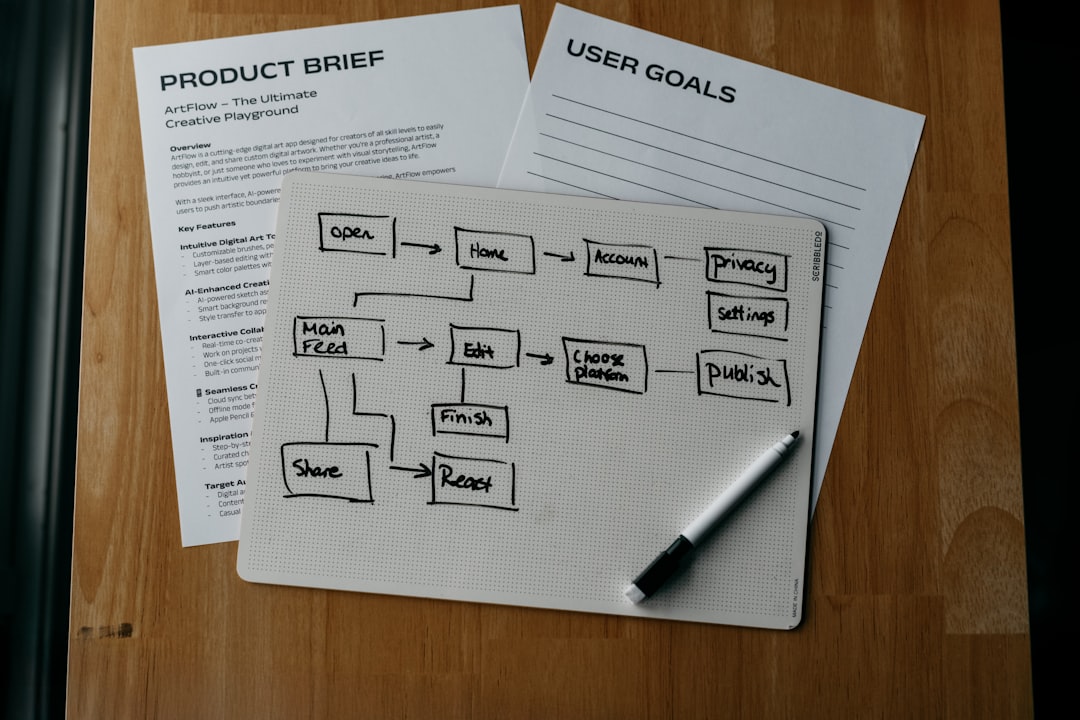
3. Use Data Without Becoming a Robot
Data is powerful. But data is not magic dust. It tells you what is happening. You still need to ask why.
Track the right numbers. Do not track everything just because you can. That creates dashboard soup.
Useful digital growth metrics include:
- Website visits and traffic sources.
- Conversion rates for forms, sales, or bookings.
- Customer acquisition cost.
- Customer lifetime value.
- Email open and click rates.
- Social engagement.
- Retention and repeat purchase rates.
Use data to make better choices. But keep the human touch. Your customers are not numbers with shoes. They are people with goals, worries, and busy lives.
4. Create Modular Content
Content helps your brand grow. But making content can feel like feeding a hungry dragon.
The smart solution is modular content. This means you create pieces that can be reused in many ways.
For example, one webinar can become:
- A blog post.
- Five short videos.
- Ten social posts.
- An email series.
- A sales handout.
- A short guide.
This saves time. It also keeps your message consistent. Your team does not start from zero every day. That is good. Starting from zero every day is how coffee becomes a personality trait.
5. Automate the Boring Stuff
Automation is not about replacing people. It is about freeing people.
Let software handle dull, repeated tasks. Let humans focus on strategy, creativity, service, and problem solving.
You can automate:
- Welcome emails.
- Lead follow ups.
- Appointment reminders.
- Customer feedback requests.
- Internal task updates.
- Basic reporting.
But be careful. Bad automation feels weird. Nobody likes getting an email that says, “Hello valued customer name field.”
Make automation helpful. Make it personal. Test it often.
6. Run Brand Experiments
Agile growth loves experiments.
Try a new landing page. Test a new headline. Compare two offers. Launch a small campaign. Ask customers what they think. Then study the results.
Keep experiments small and clear. Each test should have one question.
Examples:
- Does this headline increase sign ups?
- Does this video help people understand the product?
- Does this email subject line get more opens?
- Does live chat reduce support requests?
Experiments reduce guesswork. They turn opinions into evidence. This is helpful because meetings can create many opinions. Some are great. Some are just loud in a nice shirt.
7. Align Teams Around the Same Goal
Digital transformation is not just a tech project. It is a people project.
Marketing, sales, support, product, operations, and leadership must row in the same direction. If one team rows left and another rows right, the brand spins in circles. It may be entertaining. It is not growth.
Create shared goals. Use simple dashboards. Hold short check in meetings. Celebrate progress. Discuss blockers early.
Team alignment helps your brand feel consistent. Customers get the same promise everywhere. That builds trust.

Digital Transformation Without the Headache
Digital transformation means using digital tools and thinking to improve the business. It is not only about buying software. It is about changing how work gets done.
Start with problems, not tools.
Ask:
- Where are customers getting stuck?
- Where is the team wasting time?
- Where do we lack useful data?
- Where does the brand feel outdated?
- Where can digital tools create a better experience?
Then choose solutions that fit. Do not buy shiny tools because they look cool. A shiny tool with no purpose is just digital glitter.
Good transformation feels practical. It makes work easier. It makes customers happier. It makes growth more repeatable.
A Simple Agile Plan for Brand Growth
Here is a simple plan you can use.
- Define the brand goal. Pick one clear outcome. More leads. Better retention. Higher trust. Faster sales.
- Audit the current experience. Review your website, content, messaging, data, and tools.
- Find the biggest friction point. Choose the issue that hurts growth most.
- Create a small sprint. Work for two to four weeks on one improvement.
- Measure the result. Use simple metrics. Look for real change.
- Improve and repeat. Keep what works. Fix what does not. Try again.
This plan is not dramatic. That is why it works. Big transformation often happens through small smart moves.
Common Mistakes to Avoid
Even smart brands can stumble. Watch out for these traps.
- Changing the brand too often. Customers need consistency.
- Scaling before fixing basics. More traffic will not help a broken experience.
- Ignoring customer feedback. Your customers are giving you clues.
- Using too many tools. More tools can mean more confusion.
- Moving fast with no strategy. Speed without direction is just running in fog.
- Making everything complex. Simple usually wins.
The goal is not to look busy. The goal is to create value.
What Success Looks Like
When brand elevation, scale, and agile solutions work together, you can feel the difference.
Your message gets sharper. Your website becomes easier to use. Your team moves faster. Your campaigns improve. Your customers trust you more. Your brand becomes easier to choose.
Growth also feels less random. You know what to test. You know what to measure. You know what to improve next.
Best of all, your brand stays human. It does not turn into a cold machine. It becomes a stronger version of itself.
Final Thoughts
The best path to digital growth is not a secret tunnel. It is a clear system.
Elevate your brand. Build for scale. Work in agile cycles. Use data. Listen to people. Improve often.
Keep it simple. Keep it useful. Keep it moving.
Your brand does not need to become the loudest voice online. It needs to become the clearest, most trusted, and most helpful choice. Do that, and digital transformation stops feeling scary. It starts feeling like momentum.