
In 2026, the strongest agile teams will win by shortening feedback loops, not by adding more meetings. The big shift is practical: teams are moving from ceremony-heavy agile to signal-heavy agile, where decisions are guided by customer data, delivery flow, AI-assisted planning, and cleaner team agreements. Agile is not going away. It is getting stricter about waste.
TLDR: Agile teams in 2026 are focusing on faster collaboration, smaller delivery batches, clearer planning signals, and continuous improvement backed by real metrics. A product team that cuts sprint carryover from 35% to 12% by using AI-assisted backlog cleanup and weekly flow reviews will outperform a team that simply adds more standups. Expect more async updates, platform teams, product discovery squads, and automated retrospectives. The best teams will treat agile as a learning system, not a meeting calendar.
1. Collaboration Becomes More Intentional
Remote and hybrid work are now normal, but many teams still act as if everyone is sitting in the same room. That mismatch causes delays, confusion, and endless chat threads. In 2026, high-performing agile teams are tightening their collaboration rules.
The trend is toward collaboration contracts. These are simple agreements that answer key questions:
- Which decisions need a meeting?
- Which updates belong in async posts?
- How fast should blockers get a response?
- Who owns final call when trade-offs appear?
- What does “ready” mean before work starts?
This sounds basic. It is not. Many teams waste hours because the rules live in people’s heads. One engineer assumes Slack is enough. A product manager expects a ticket comment. A designer waits for review in Figma. Three days vanish.
Expect more teams to use working agreements as operational tools, not dusty wiki pages. They will connect to sprint planning, incident response, product discovery, and release reviews.
2. AI Joins the Team, But Not as the Boss
AI will be everywhere in agile workflows by 2026. It will summarize customer calls, draft user stories, find duplicate tickets, predict delivery risks, and suggest test cases. The best teams will use it to reduce admin drag.
The weaker teams will let AI create more noise.
Honestly, it feels like some planning tools still turn a two-minute update into a 40-second spinner and five extra fields. AI can make that worse if every prompt creates ten more tickets. Smart teams will set limits. AI suggestions should be reviewed, merged, and trimmed before they reach the backlog.
Useful AI patterns will include:
- Backlog hygiene assistants that flag stale issues and unclear acceptance criteria.
- Meeting summarizers that convert decisions into action items.
- Risk scanners that detect blocked dependencies before planning starts.
- Test idea generators that help QA teams cover edge cases faster.
- Customer feedback clustering that groups support tickets by theme.
The key rule is simple: AI can prepare the conversation, but humans make the trade-offs. Product choices still need judgment. Architecture still needs taste. Customer pain still needs empathy.
3. Delivery Moves Toward Smaller, Safer Releases
Big releases are losing favor. They carry too much risk. They also hide learning until it is expensive to change direction.
In 2026, agile delivery trends will favor thin slices, feature flags, progressive rollout, and production telemetry. Teams will ship smaller changes to smaller groups, then expand based on evidence.
A common pattern will look like this:
- Release to internal users.
- Open to 5% of customers.
- Watch error rates, adoption, and support tickets.
- Adjust the experience.
- Roll out to 50%, then 100%.
This is not only for large companies. Even small SaaS teams can benefit. A five-person team can use flags, event tracking, and lightweight release notes to reduce panic. The goal is to make release day boring. Boring is good.
Teams will also connect agile boards to operational data. A story is not “done” just because it reached the final column. It is done when it works in production, users can complete the task, and support does not get buried.
4. Planning Gets Shorter and More Evidence-Based
Sprint planning has a bad reputation for a reason. Too many sessions turn into ticket archaeology. People debate work that should have been clarified days earlier.
In 2026, better teams will split planning into two parts: continuous refinement and short commitment meetings. Refinement happens during the week. Planning confirms priorities, capacity, and trade-offs.
Expect more planning inputs from actual behavior:
- Product usage data
- Customer interview themes
- Support ticket trends
- Sales objections
- Production incidents
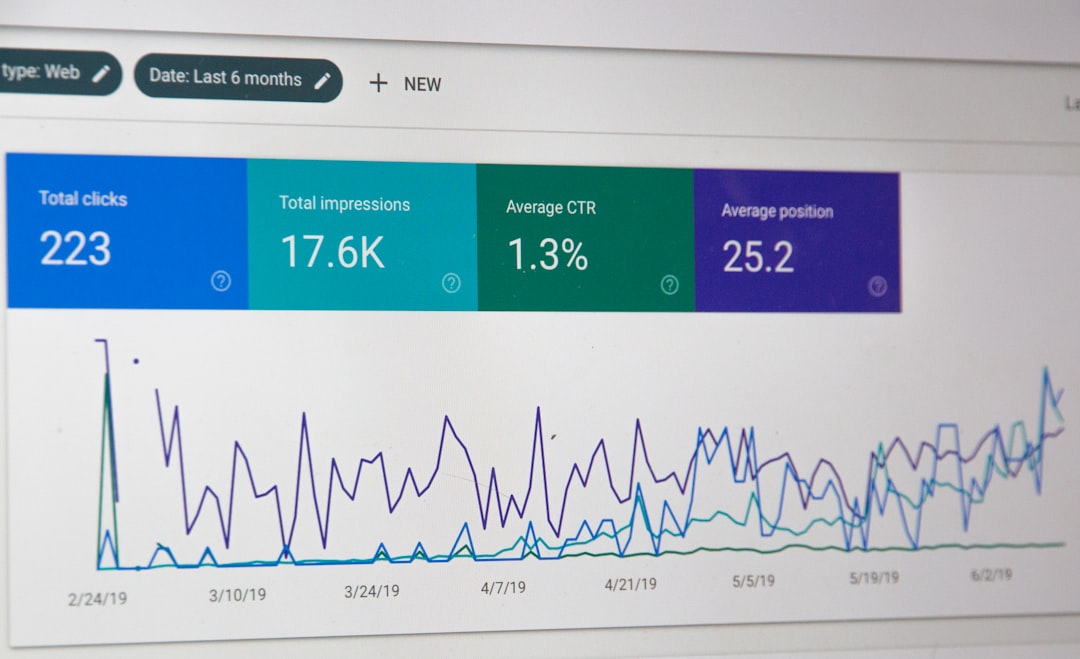
- Flow metrics such as cycle time and blocked time
This is a shift from opinion-led planning to evidence-led planning. Opinions still matter, but they get tested against signals.
One useful practice is the planning risk check. Before a team commits, it quickly asks:
- Do we understand the user problem?
- Do we know the technical risk?
- Are dependencies available?
- Can the work be sliced smaller?
- What would make this item fail?
That five-minute check can save a week of churn. It also reduces the classic sprint problem: everything looked fine on Monday, then three items got stuck by Wednesday.
5. Continuous Improvement Becomes Less Vague
Retrospectives have always been central to agile, but many are too soft. Teams list feelings, pick one action, and forget it by next week. It drives me crazy when the same retro item appears six times with slightly different wording.
In 2026, retros will become more measurable. Teams will still talk about trust, quality, and stress. They will also use hard signals.
Common improvement metrics will include:
- Cycle time: how long work takes from start to finish.
- WIP: how much work is active at once.
- Blocked time: where work sits idle.
- Escaped defects: bugs found after release.
- Rework rate: how often completed work returns for fixes.
- Carryover: sprint work that spills into the next sprint.
A strong retro in 2026 might review the fact that cycle time rose from 4.2 days to 6.8 days over three sprints. The team then checks why. Maybe code review waits doubled. Maybe stories were too large. Maybe one approval step became a bottleneck.
The best action items will be small and testable. For example: “Limit active backend tickets to three for two weeks” or “Move product review to refinement, not the final QA step.” Clear actions beat vague promises.
6. Product, Engineering, and Operations Get Closer
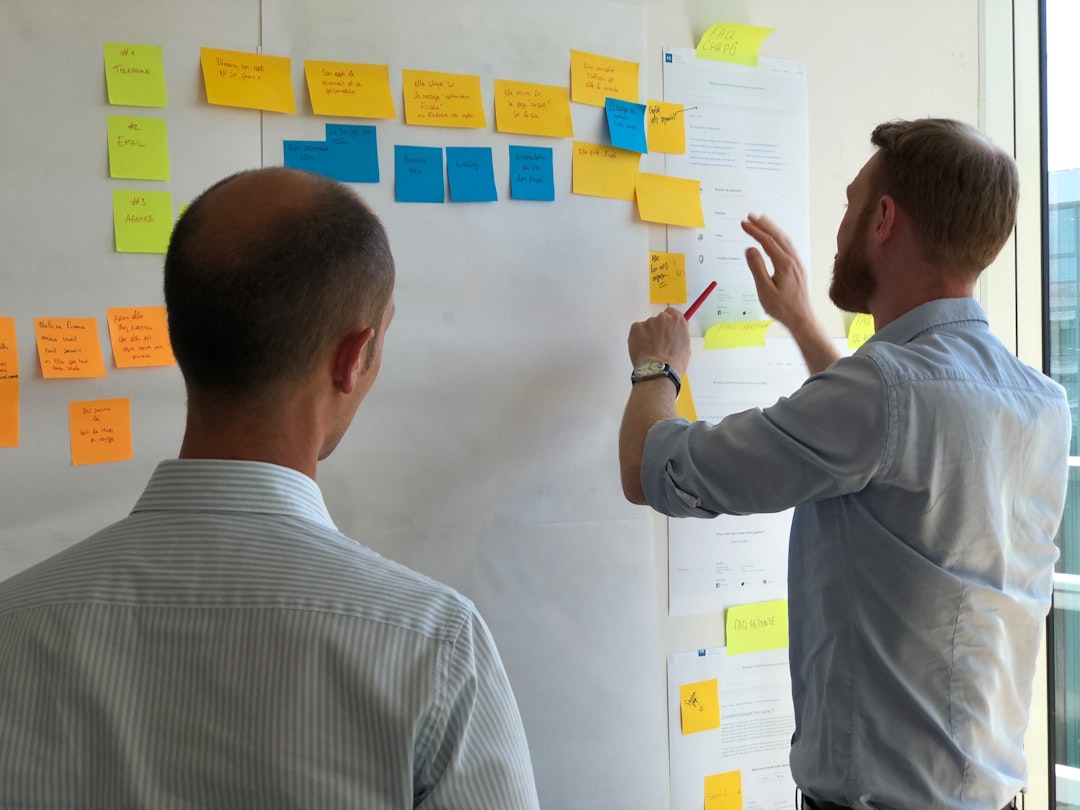
Another strong trend is the collapse of old handoff walls. Product teams cannot toss specs over the fence. Engineering cannot ignore customer outcomes. Operations cannot appear only after something breaks.
In 2026, agile teams will form around value streams. A value stream is the path from customer need to working solution. Teams will include the skills needed to move that path without constant outside waiting.
This does not mean every team has every specialist full time. It means access is planned. Security, data, UX research, and platform support are part of the workflow earlier.
Platform engineering will also shape agile strategy. Internal platforms will give product teams ready-made paths for deployments, observability, identity, testing, and compliance. When done well, this cuts repeated setup work. When done badly, it becomes another ticket queue. The difference is whether the platform is treated as a product with users, feedback, and service goals.
7. Agile Leadership Shifts From Control to Clarity
Managers and agile leads will spend less time asking for status and more time removing confusion. Good leadership in 2026 will focus on priorities, boundaries, and decision speed.
Teams need clarity on three things:
- Outcome: what customer or business result matters?
- Constraints: what limits must be respected?
- Decision rights: who can choose when trade-offs appear?
Without those answers, agile becomes theater. Teams move tickets, attend ceremonies, and still wait for permission. With those answers, teams can act faster and learn sooner.
What This Means for Agile Teams in 2026
The future of agile is not more process. It is better judgment supported by cleaner signals. Teams will use AI, metrics, async work, platform tools, and smaller releases to reduce delay. But the human work remains central.
The best teams will ask sharper questions. Are we solving the right problem? Is this batch too large? What evidence changed our mind? Where are we waiting? What can we stop doing?
That is the real trend for 2026: agile teams will become less obsessed with performing agility and more focused on proving progress. Faster feedback, smaller bets, clearer ownership, and steady improvement will separate the teams that merely stay busy from the teams that deliver work customers actually value.