
WhatsApp commerce is fast, friendly, and a little chaotic. Orders come in through chats. Payments arrive through links. Sales reps close deals with emojis, voice notes, and quick replies. That is great for selling. It is not so great for tracking commissions by hand.
TLDR: Automated sales commission tracking helps you know exactly who sold what, when, and how much they earned. For example, if 5 sales agents close 1,200 WhatsApp orders in a month, automation can calculate commissions in minutes instead of 6 hours of spreadsheet work. A store that pays 8% commission on paid orders can also avoid overpaying on canceled or unpaid orders. The result is fewer disputes, faster payouts, and happier sales teams.
Why commission tracking gets messy on WhatsApp
WhatsApp commerce feels personal. That is why customers love it. They can ask questions. They can negotiate. They can send screenshots. They can say, “I want the blue one, size M,” and a sales agent can close the order in seconds.
But once sales grow, the fun gets messy.
- One customer may chat with two agents.
- Some orders are paid later.
- Some orders are canceled.
- Some customers change products after ordering.
- Some reps forget to log the sale.
Then finance asks, “Who gets the commission?” Everyone looks at the spreadsheet. The spreadsheet looks back in fear.
Automation fixes this. It gives every sale a clear trail. It connects chats, orders, payments, and agents. No guessing. No drama. No “I swear I closed that deal” debates.

Start with a simple commission rule
Before you automate, define your rules. Keep them simple at first. Fancy rules can come later.
Here are common commission models:
- Flat rate: The agent gets $2 for every paid order.
- Percentage: The agent gets 5% or 10% of the order value.
- Tiered rate: The agent gets 5% up to $5,000 in sales, then 8% after that.
- Product based: The agent gets more for high-margin products.
- Team bonus: Everyone gets a bonus if the team hits a target.
For most WhatsApp shops, start with this rule:
Commission is paid only on completed and paid orders.
This one sentence saves many headaches. It prevents paying commission on abandoned carts, fake orders, refunds, and failed payments.
Give each sales agent a unique identity
Your system must know who handled each sale. So each agent needs a unique ID. This can be simple.
- Agent name
- Agent phone number
- Agent code, like A012
- Assigned WhatsApp number
- CRM user profile
If you use WhatsApp Business API, connect each agent to a CRM account. If you use shared inbox software, assign chats to agents. If your team uses separate phones, tag orders with the agent code.
The goal is clear. Every order should answer one question:
Which sales agent owns this sale?
Connect WhatsApp chats to orders
This is the heart of the system. A customer chats on WhatsApp. The agent recommends a product. The customer buys. Your system must link that chat to the order.
You can do this in a few ways:
- Use a CRM: Create a customer record from the WhatsApp chat.
- Use order tags: Tag each order with the agent’s name or code.
- Use checkout links: Give each agent trackable payment links.
- Use coupon codes: Let each agent share a unique discount code.
- Use automation tools: Send WhatsApp lead data into your store or database.
Trackable checkout links are very useful. For example, Agent Maria sends a product link to a customer. The link contains her ID. When the customer pays, the system credits Maria. Simple. Clean. Beautiful.
Track the right data
You do not need a giant data monster. You need clean basics.
Track these fields for every order:
- Order ID: The unique order number.
- Customer name: Who bought the product.
- Customer phone: Useful for matching WhatsApp chats.
- Agent ID: Who gets credit.
- Order value: The total sale amount.
- Payment status: Paid, unpaid, failed, or refunded.
- Delivery status: Shipped, delivered, returned, or canceled.
- Commission rate: The rule used.
- Commission amount: What the agent earned.
- Payout status: Pending, approved, or paid.
This is your commission truth table. It should be easy to filter. It should be easy to export. It should not require a wizard hat.
Build the automation flow
Now let’s build the machine. Think of it like a tiny robot accountant. It does boring math. You drink coffee.
A basic flow looks like this:
- A customer sends a WhatsApp message.
- The chat is assigned to an agent.
- The agent sends a product or payment link.
- The customer places an order.
- The system records the order and agent ID.
- The payment is confirmed.
- The commission is calculated.
- The commission appears in a dashboard.
- Finance reviews and pays it.
You can use a CRM, ecommerce platform, spreadsheet database, or custom dashboard. The tool matters less than the logic. The magic is in the connection between chat, order, payment, and agent.
Use statuses to avoid bad payouts
This part is important. Do not pay too early. WhatsApp orders can change quickly. A customer may order today and cancel tomorrow. Another may pay, then return the item.
Create commission statuses:
- Pending: Order received, but not ready for payout.
- Approved: Order is paid and valid.
- On hold: There is a problem or dispute.
- Rejected: Order was canceled, refunded, or fake.
- Paid: Commission has been sent to the agent.
A good rule is to approve commission only after payment is confirmed. Some businesses wait until delivery is completed. Others wait until the return window closes. Pick the rule that fits your risk.
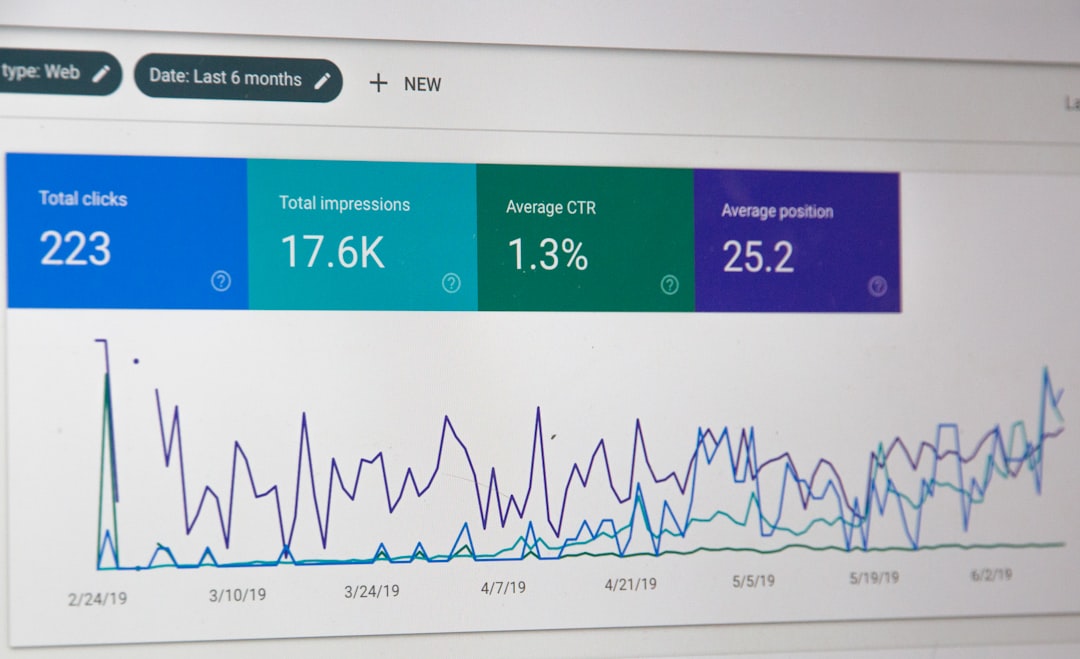
Create a live commission dashboard
Sales agents love visibility. They want to know how they are doing. A live dashboard gives them motivation. It also reduces complaints.
Your dashboard should show:
- Total sales this week
- Total commission earned
- Pending commission
- Approved commission
- Paid commission
- Top performing products
- Conversion rate from WhatsApp chats
Make it visual. Use charts. Use colors. Add progress bars. Sales teams enjoy targets. If an agent sees they are $80 away from a bonus, they may push harder. In a good way. Not in a spammy robot way.
Set payout dates and approval rules
Automation still needs control. Do not let the system pay everyone without review. That is how money grows wings.
Set a payout schedule. For example:
- Commissions are reviewed every Friday.
- Only approved commissions are paid.
- Refunded orders are removed before payout.
- Managers can adjust disputed sales.
- Agents receive a payout report.
The payout report should be simple. Show the order IDs, order values, rates, and commission amounts. If agents can see the details, they trust the process.
Handle shared sales fairly
Sometimes two agents help one customer. One answers questions. Another closes the sale. Who gets paid?
Decide this early. Here are three options:
- Last touch wins: The agent who closes the order gets full commission.
- First touch wins: The agent who started the chat gets full commission.
- Split commission: Each agent gets a percentage.
For WhatsApp commerce, last touch wins is easy. But split commission can be fairer for high-touch sales. Use what matches your culture.
Test before going live
Do a small test first. Pick 2 agents. Track 50 orders. Compare the automated results with manual calculations. Look for gaps.
Check these things:
- Did every order get an agent ID?
- Were canceled orders excluded?
- Were refunds handled correctly?
- Did the commission formula work?
- Did agents understand the dashboard?
If the test works, launch to the whole team. If not, fix the flow. Better to find bugs with 50 orders than with 5,000.
Final thoughts
Automated commission tracking is not just about math. It is about trust. Agents trust the numbers. Managers trust the reports. Finance trusts the payouts. Customers still get fast service on WhatsApp.
Start simple. Track paid orders. Connect each sale to an agent. Use clear statuses. Review before payout. Then improve as you grow.
Your WhatsApp shop can stay fun and personal. Your commission system can stay calm and accurate. That is the dream. Fewer spreadsheets. Fewer arguments. More sales. More high fives.