
Manufacturing marketing does not need to feel like a forklift race in the dark. You make real products for real buyers. The trick is to help the right people find you, trust you, and ask for a quote when they are ready.
TLDR: The best marketing strategies for manufacturing companies focus on quality, not just traffic. Use clear website pages, helpful technical content, smart LinkedIn outreach, and strong lead nurturing. These four strategies help attract engineers, purchasing teams, plant managers, and other serious B2B buyers. The goal is simple: fewer random leads, more sales-ready conversations.
Why Manufacturing Leads Are Different
A B2B buyer is not usually shopping on impulse. They are not buying a novelty mug at midnight. They may need a custom part, a reliable supplier, a faster process, or a better price.
That means they have questions. Lots of them.
They want to know:
- Can you meet their specs?
- Do you serve their industry?
- Can you handle their volume?
- Are you certified?
- Will you deliver on time?
- Can they trust you?
Good marketing answers these questions before the first sales call. Great marketing makes buyers think, “These people get it.”

1. Build Website Pages That Act Like Your Best Sales Rep
Your website is not just a digital brochure. It is your 24-hour sales rep. It never sleeps. It never takes lunch. It never forgets a spec sheet.
But many manufacturing websites are confusing. They say things like “quality solutions” and “industry-leading service.” That sounds nice. It also says almost nothing.
Your ideal buyer needs clear answers fast.
What to create
- Service pages for each core capability.
- Industry pages for each market you serve.
- Product pages with specs, materials, tolerances, and use cases.
- Certification pages that show compliance and trust.
- RFQ pages with simple forms and clear next steps.
Do not make buyers hunt. If you offer CNC machining for aerospace firms, make a page for that. If you build food-grade packaging equipment, make a page for that too.
Use simple headings. Add photos. Add process details. Add downloadable spec sheets when helpful. Put a clear Request a Quote button on every important page.
Also, remove friction. Nobody wants to fill out a form that feels like a tax audit. Ask for what you need. Not everything under the sun.
A good form may include:
- Name
- Company
- Phone
- Project details
- File upload
Simple wins. Clear wins. Buyer-friendly wins.
2. Create Technical Content That Helps Buyers Make Decisions
Manufacturing buyers love useful content. Not fluffy content. Not “Top 10 reasons metal is cool.” They want content that helps them solve a real problem.
This is where your expertise becomes a lead machine.
Create content that answers common buyer questions. Think like your sales team. What do prospects ask every week? Turn those questions into articles, guides, videos, and checklists.
Helpful content ideas
- Comparison guides: “Aluminum vs. stainless steel for high-moisture environments.”
- Process explainers: “How injection molding tooling affects lead time.”
- Buyer checklists: “What to know before requesting a fabrication quote.”
- Cost guides: “What affects the cost of custom metal parts?”
- Case studies: “How we reduced downtime for a packaging line.”
This content does two big things.
First, it brings in search traffic from buyers who are already researching. Second, it proves that your team knows the work. That builds trust before anyone talks to sales.
Keep the content simple. Use short sections. Use diagrams. Show examples. Avoid jargon when possible. If you must use technical terms, explain them.
And here is a fun bonus. Great technical content helps qualify leads. A random visitor may leave. A serious buyer will read, download, compare, and ask better questions.
3. Use LinkedIn to Reach the Right B2B Buyers
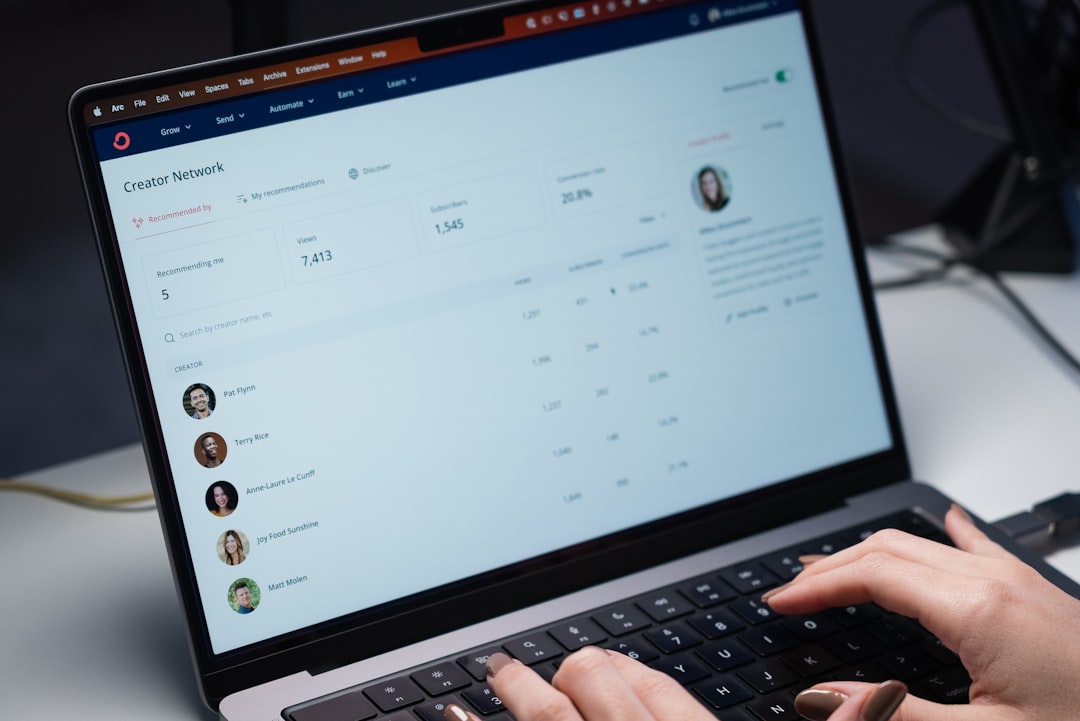
LinkedIn can be gold for manufacturers. But only if you use it like a human. Not like a robot wearing a tiny sales hat.
Your buyers are there. Engineers are there. Plant managers are there. Procurement people are there. Operations leaders are there. The key is to be useful and specific.
Start with your company page. Make it clear what you do, who you serve, and why you are different. Add photos of your facility. Share project wins. Highlight team members. Show machines, processes, and finished parts.
Then activate your people. Sales leaders, engineers, and executives can post helpful insights. People trust people more than logos.
What to post on LinkedIn
- Behind-the-scenes shop floor photos.
- Short tips for better part design.
- Common mistakes buyers should avoid.
- Case study snapshots.
- Videos of machines in action.
- Answers to common RFQ questions.
Keep posts short and useful. Add a little personality. Manufacturing is serious work, but your content does not need to sound like a safety manual written by a printer.
You can also use LinkedIn ads. Target by industry, job title, company size, and location. Send people to a strong landing page, not your homepage. Offer something useful, like a design checklist or supplier evaluation guide.
But remember this rule: do not chase everyone. Chase the people who match your best customers.
4. Nurture Leads Until They Are Ready to Buy
Not every qualified lead is ready today. Some are planning next quarter. Some are comparing suppliers. Some are waiting for budget approval. Some are just trying to avoid choosing the wrong vendor and getting blamed forever.
This is why lead nurturing matters.
Lead nurturing means staying helpful after the first contact. You guide buyers with emails, resources, reminders, and useful follow-ups. You do not spam them. You do not scream “Buy now!” every Tuesday.
Good nurturing content includes
- Case studies from similar industries.
- Helpful guides and checklists.
- Webinar invites.
- New capability announcements.
- Maintenance tips.
- Lead time updates.
Segment your leads. A procurement manager needs different information than an engineer. A food equipment buyer may not care about the same proof as an automotive buyer.
Use your customer relationship management system, or CRM, to track activity. Who downloaded a guide? Who visited your RFQ page twice? Who opened three emails about one service?
These signals help your sales team focus. They can call the hottest leads first. That saves time. It also makes sales conversations better.

How to Know If These Strategies Are Working
Marketing should not be a mystery fog. Track the numbers that matter.
- Qualified website traffic: Are the right industries visiting?
- RFQ submissions: Are quote requests increasing?
- Content downloads: Are buyers engaging with guides?
- Lead quality: Are leads a fit for your services?
- Sales feedback: Are conversations better?
- Pipeline value: Are marketing leads turning into real deals?
Do not celebrate traffic alone. A thousand visitors mean little if none can buy from you. Ten strong leads from the right companies can be much better.
Final Thoughts
The best manufacturing marketing is not flashy. It is clear. It is helpful. It is built around the buyer’s real questions.
Start with your website. Add smart technical content. Use LinkedIn to reach the right people. Then nurture leads with steady, useful follow-up.
Do this well, and your marketing stops being noise. It becomes a system. A system that attracts better-fit buyers, warms them up, and helps your sales team close more of the right deals.
That is not magic. It is just good marketing with steel-toe boots on.