
Teams are a bit like pizza parties. Everyone brings something. Some people bring the cheese. Some bring the sauce. One person always brings chaos. To know if the team is doing well, you need more than a happy feeling. You need a Success Scorecard.
TLDR: A Success Scorecard helps you measure team performance in a clear and simple way. It tracks the things that matter most, like results, teamwork, quality, speed, and growth. The best scorecards are easy to read and used often. They help teams improve without turning work into a scary math exam.
What Is a Success Scorecard?
A Success Scorecard is a simple tool. It shows how well a team is doing. Think of it like a report card, but less awkward. No one has to hide it from their parents.
It puts key performance measures in one place. These measures are often called metrics. A metric is just a fancy word for “a thing we track.”
A good scorecard answers questions like:
- Are we hitting our goals?
- Are we working well together?
- Are customers happy?
- Are we improving over time?
- Are we burning out?
The point is not to spy on people. The point is to help the team win. It is a map, not a hammer.
Why Team Performance Is Hard to Measure
Teams do many things at once. They solve problems. They answer messages. They join meetings. They fix mistakes. They eat snacks during calls. Some work is easy to count. Some work is invisible.
For example, finishing 20 tasks sounds great. But what if 10 were rushed and full of bugs? Or what if one person did all the work while others watched the circus burn?
This is why one number is not enough. A team scorecard needs a few smart measures. Not 87 measures. That is not a scorecard. That is a spreadsheet monster.
The Five Big Areas to Measure
A strong Success Scorecard usually covers five areas. These are simple, useful, and easy to explain.
1. Results
This is the obvious one. Did the team reach the goal?
Examples include:
- Sales closed
- Projects completed
- Revenue earned
- Leads generated
- Tickets resolved
Results matter. But they are not the whole story. A team can hit a goal and still leave a trail of stress, confusion, and broken coffee machines.
2. Quality
Quality asks, “Was the work good?” It is not enough to move fast. You also need to avoid creating a tiny disaster parade.
Quality metrics might include:
- Error rate
- Customer complaints
- Rework needed
- Defects found
- Review scores
High quality saves time later. It also builds trust. People like working with teams that do not need five emergency fixes every Friday afternoon.
3. Speed
Speed is about how quickly the team gets useful work done. It does not mean rushing like a raccoon in a supermarket. It means moving with focus.
You can track:
- Time to complete tasks
- Average response time
- Project cycle time
- Time from idea to launch
Speed is powerful when paired with quality. Fast and sloppy is not success. Fast and excellent is magic.

4. Teamwork
This is where the human stuff lives. Are people helping each other? Are they sharing updates? Are meetings useful? Or are meetings just where hope goes to nap?
Teamwork can be measured through:
- Peer feedback
- Meeting effectiveness scores
- Collaboration surveys
- Cross-team support
- Communication response patterns
You do not need to turn friendship into a formula. Just look for signs. Are people clear? Are they respectful? Do they solve issues early? Do they listen?
5. Growth
A great team gets better. It learns. It tries new things. It does not repeat the same mistake 14 times and call it “tradition.”
Growth metrics include:
- Skills learned
- Training completed
- Process improvements
- New ideas tested
- Lessons from reviews
Growth keeps a team fresh. It also helps people feel proud. Nobody wants to feel like a dusty office plant.
How to Build a Simple Success Scorecard
You do not need special software to start. A table is enough. A shared document can work. A whiteboard can work. Even sticky notes can work, if nobody steals them for lunch labels.
Use this simple process.
- Pick the goal. Be clear about what success means.
- Choose 5 to 10 metrics. Keep it small.
- Set targets. Decide what good looks like.
- Update it often. Weekly or monthly is best.
- Discuss it as a team. Numbers need context.
- Make changes. Use the scorecard to improve.
The last step is key. A scorecard that nobody uses is just decoration. It is business wallpaper.
What Should Be on the Scorecard?
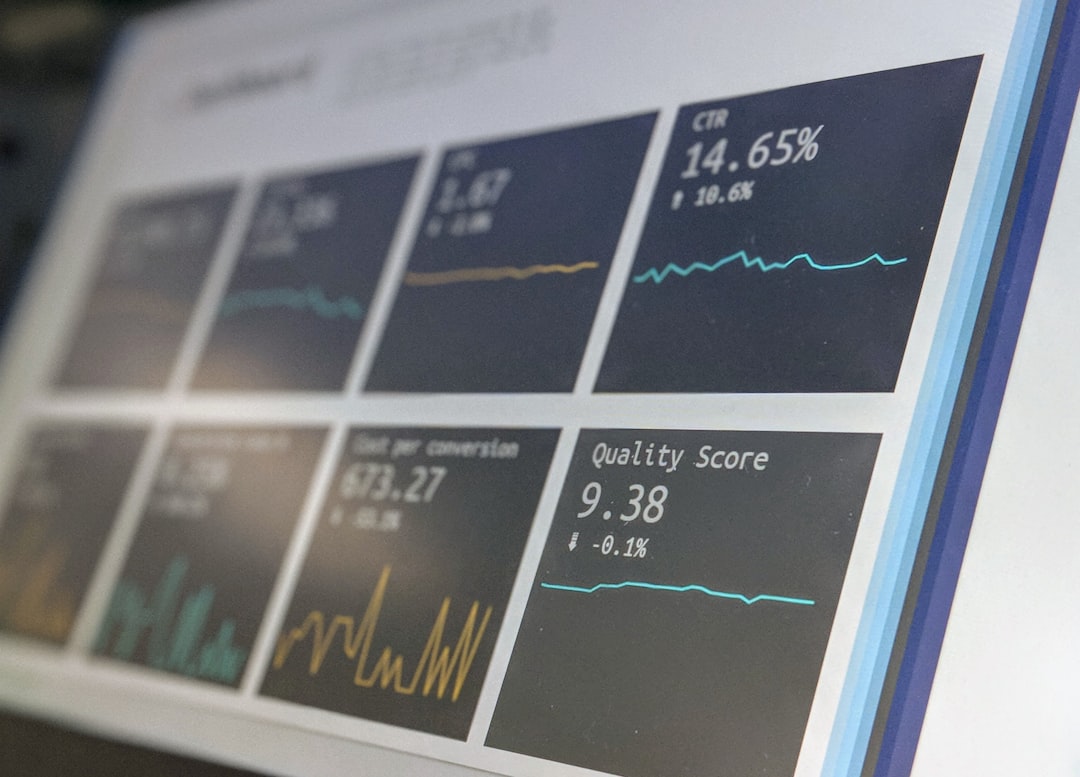
Here is a simple example.
| Area | Metric | Target | Status |
|---|---|---|---|
| Results | Projects completed | 4 per month | On track |
| Quality | Rework rate | Under 10% | Needs focus |
| Speed | Average task time | 3 days | On track |
| Teamwork | Peer feedback score | 8 out of 10 | Strong |
| Growth | Improvements tested | 2 per month | On track |
Use simple labels. Try Strong, On track, Needs focus, and At risk. These are easy to understand. They also sound less scary than “failure detected.”
Make It Fair
A scorecard should be fair. Do not punish a team for things they cannot control. If a supplier is late, note it. If the goal changed three times, note that too. Context matters.
Also, do not use the scorecard to shame people. Public blame kills trust. It makes people hide problems. Hidden problems grow teeth.
Use the scorecard to ask better questions:
- What is working?
- What is slowing us down?
- Where do we need help?
- What should we stop doing?
- What should we try next?

Watch Out for Vanity Metrics
Some metrics look shiny but say very little. These are called vanity metrics. They make you feel good, but they may not help the team improve.
For example, counting the number of meetings held is not very useful. More meetings do not mean more progress. Sometimes they mean the opposite. Like glitter, meetings can get everywhere and become hard to remove.
Better metrics show real value. Instead of “number of meetings,” track “decisions made” or “blocked tasks solved.” That tells a better story.
Review the Scorecard Often
A scorecard is not a museum item. Do not build it, admire it, and forget it. Review it often. Talk about it in team check-ins. Keep the mood calm and curious.
Ask what the numbers mean. A low score may not mean people are lazy. It may mean the process is broken. Or the goal is unclear. Or the team has too much work. Or the office printer has again chosen violence.
Numbers are clues. The team still needs to solve the mystery.
Keep It Simple and Human
The best Success Scorecard is simple. It helps people focus. It does not bury them in charts. It does not turn every task into a courtroom drama.
Use clear goals. Track useful metrics. Add context. Celebrate wins. Fix problems. Repeat.
Most of all, remember this: team performance is about people. A scorecard should help people do their best work. It should create clarity, not panic. It should guide action, not create blame.
When used well, a Success Scorecard becomes a team superpower. It shows where you are winning. It shows where you are wobbling. And it helps everyone move in the same direction, preferably without stepping on each other’s toes.