

An agency becomes premium long before it raises its prices. Premium positioning is built through visible expertise, consistent trust signals, refined client experience, and a clear point of view that separates the agency from generalist competitors. When authority is intentional, prospects stop comparing hourly rates and begin evaluating outcomes, confidence, and strategic fit.
TLDR: To build agency brand authority, an agency must define a focused positioning, publish expert ideas consistently, prove results with credible evidence, and deliver a polished client experience. Premium perception comes from clarity, selectivity, and confidence rather than aggressive self-promotion. Agencies that package their expertise, communicate value, and maintain high standards are more likely to attract better-fit clients at higher fees.
Define a Specific Market Position
A premium agency rarely tries to serve everyone. Its authority begins with a precise answer to three questions: who it serves, what problem it solves, and why its approach is different. A broad claim such as “full-service marketing for all businesses” weakens authority because it sounds interchangeable. A sharper position, such as “conversion-focused brand strategy for funded SaaS companies”, immediately signals relevance and expertise.
Strong positioning helps prospects understand why the agency is worth a premium. It also makes content, sales conversations, case studies, and service packaging more persuasive. When an agency becomes known for a defined specialty, it can build deeper insights, stronger processes, and more repeatable results.
Create a Distinct Point of View
Authority grows when an agency has a clear perspective on the market. A premium agency does not simply repeat common advice; it explains what most businesses misunderstand, what trends are overvalued, and what actions actually drive meaningful outcomes. This point of view becomes the foundation for articles, webinars, social posts, proposals, and executive conversations.
For example, an agency might believe that brand performance depends less on visual trends and more on buyer confidence. Another might argue that most paid media failures are actually offer and positioning failures. These perspectives make the agency memorable. They also show that its team thinks like strategic partners, not task-based vendors.
Use Thought Leadership to Build Trust at Scale
Premium agencies educate before they sell. Thought leadership gives prospects a low-risk way to experience the agency’s thinking. Articles, reports, guides, podcasts, talks, and short-form insights all help demonstrate competence. However, effective thought leadership must be specific, practical, and rooted in experience.
Instead of publishing generic content, an agency should share:
- Original frameworks that explain how it diagnoses and solves client problems.
- Industry observations based on patterns seen across multiple engagements.
- Strategic opinions that clarify what the agency believes and rejects.
- Actionable examples that help prospects understand the quality of its thinking.
Show Proof, Not Just Promises
Premium positioning requires evidence. A refined website and confident copy may create interest, but proof turns interest into trust. Case studies should do more than display attractive visuals or vague testimonials. They should explain the client’s challenge, the agency’s strategic approach, the decisions made, and the measurable impact.
Strong proof assets include:
- Detailed case studies with context, process, and outcomes.
- Client testimonials that mention business impact and collaboration quality.
- Before and after examples showing tangible improvement.
- Awards, certifications, or media mentions when they support credibility.
- Client logos displayed with permission and appropriate context.
The best proof feels credible because it is specific. Instead of saying a campaign was successful, a premium agency explains how it improved conversion rates, reduced acquisition costs, increased qualified leads, or clarified brand perception.

Elevate the Client Experience
Brand authority is not only communicated through marketing; it is confirmed through experience. A premium agency behaves like a premium agency at every touchpoint. Its proposals are clear. Its onboarding is structured. Its communication is proactive. Its meetings have purpose. Its deliverables are polished and easy to understand.
A refined client experience reduces uncertainty, which is one of the main reasons clients pay more. When a prospect senses that an agency has a mature process, it becomes easier to trust the agency with larger budgets and more important business goals.
Premium client experience often includes:
- A thoughtful discovery process before recommendations are made.
- Clear timelines, responsibilities, and decision points.
- Strategic rationale behind creative or marketing recommendations.
- Regular reporting connected to business objectives.
- Post-project reviews that identify lessons and future opportunities.
Package Services Around Outcomes
Agencies that sell hours often invite price comparison. Agencies that sell outcomes create a stronger premium position. This does not mean guaranteeing unrealistic results; it means framing services around business value. A brand strategy engagement might be positioned around market clarity and buyer confidence. A website project might be positioned around conversion, credibility, and sales enablement.
Premium packaging also makes the agency’s process easier to understand. Rather than offering a long menu of disconnected services, the agency can create structured offers with clear phases, deliverables, and strategic value. This communicates expertise and helps prospects understand why the investment is higher than a commodity alternative.
Use Design and Messaging Consistency
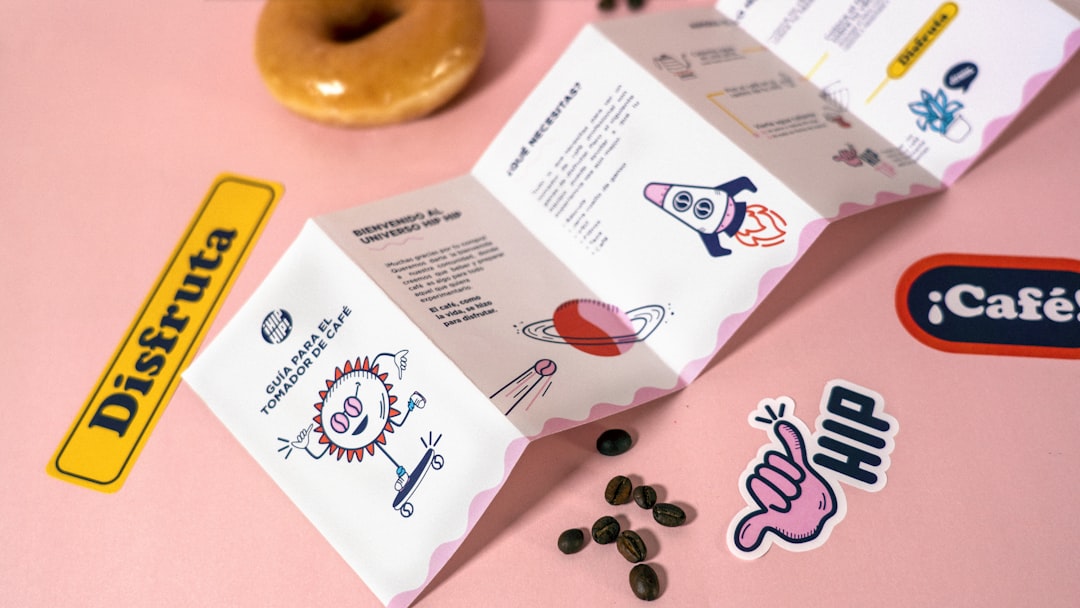
A premium agency must look and sound consistent. Visual identity, website design, proposal templates, social presence, and sales materials should all reinforce the same level of quality. Inconsistent branding creates doubt, even when the agency’s work is strong.
Messaging should also be disciplined. The agency’s core promise, specialty, tone, and proof points should appear consistently across channels. Repetition builds memory. When prospects repeatedly encounter the same clear message, the agency becomes easier to recognize and remember.
Be Selective About Clients
Selectivity is a powerful premium signal. Agencies that accept every project can appear desperate or unfocused. Premium agencies define what makes a client a strong fit, including budget, values, industry, decision-making style, and growth goals. This selectivity protects quality and strengthens reputation.
Being selective does not require arrogance. It requires clarity. A premium agency can communicate that its process works best for certain types of organizations and challenges. This helps attract clients who value expertise and discourages those looking only for the lowest price.
Strengthen Authority Through People
An agency’s authority is often carried by its leaders, strategists, creatives, and specialists. When team members share insights, speak at events, contribute to industry discussions, or publish expert commentary, the agency brand becomes more credible. Prospects want to know that real experts stand behind the work.
Founder-led visibility can be especially effective, but authority should not depend on one person alone. A premium agency benefits from developing multiple visible experts, each connected to the agency’s broader positioning.
Price With Confidence
Premium pricing must be supported by premium value, but it also requires confidence. If an agency apologizes for its fees or discounts too quickly, it weakens its own positioning. Strong agencies explain pricing in relation to scope, expertise, risk reduction, and expected business value.
Clear pricing conversations also filter prospects. Clients who understand value are more likely to respect the process, collaborate effectively, and remain long-term partners. Over time, this improves the agency’s portfolio, profitability, and reputation.
Conclusion
Building agency brand authority is a long-term discipline, not a short campaign. A premium agency earns its position through focus, expertise, proof, consistency, and a client experience that matches its promises. When these elements work together, the agency becomes more than a service provider. It becomes a trusted strategic partner that clients seek out for judgment, leadership, and meaningful results.
FAQ
How long does it take for an agency to build brand authority?
Brand authority usually develops over months or years, depending on consistency, quality of work, visibility, and client results. A focused strategy can accelerate the process.
Can a small agency position itself as premium?
Yes. Premium positioning is not based on size. A small agency can appear highly premium by specializing, showing strong proof, delivering excellent service, and communicating confidently.
What is the biggest mistake agencies make with premium positioning?
The biggest mistake is claiming to be premium without demonstrating proof, process, or expertise. Premium perception must be supported by real substance.
Should a premium agency publish pricing on its website?
It depends on the agency’s sales process. Some premium agencies use starting prices to qualify leads, while others discuss pricing after discovery. In either case, pricing should be framed around value.
How can an agency stand out in a crowded market?
An agency can stand out by narrowing its niche, developing a strong point of view, publishing original insights, and proving results through detailed case studies.