
Product pages do the hardest work in ecommerce: they must attract shoppers from search, answer buying questions, build trust, and convert interest into revenue. Strong product page SEO copywriting helps search engines understand each item while giving buyers the clarity they need to make a confident decision.
TLDR: Effective ecommerce product pages combine keyword-focused structure with persuasive, human copy. Each page should feature a unique title, benefit-led description, helpful specifications, optimized images, trust signals, and clear internal links. The best pages avoid thin manufacturer text and instead explain who the product is for, why it matters, and what makes it worth buying.
Start with search intent, not just keywords
Product page optimization begins with understanding what a shopper is trying to accomplish. A person searching for “waterproof hiking boots size 10” is closer to purchase than someone searching for “best hiking footwear.” The copy should match that intent by highlighting availability, use case, size options, materials, comfort, and delivery details.
Keyword research still matters, but it should support the buyer journey rather than dominate the text. A strong product page usually targets a primary product keyword, several descriptive modifiers, and natural long-tail phrases. These may include color, size, material, gender, model number, compatibility, brand, or occasion.
- Primary keyword: the main product name or category phrase.
- Secondary keywords: features, use cases, and variations.
- Semantic terms: related words that help search engines understand context.
- Question-based phrases: common buyer concerns suitable for FAQs.
Write unique product titles and meta elements
The product title should be clear, descriptive, and readable. It should include the most important product details without becoming a keyword-stuffed string. A useful format often includes the brand, product type, defining feature, color or size, and model where relevant.
Meta titles and descriptions should also be written for both ranking and clicks. The meta title should include the core keyword near the beginning, while the meta description should communicate value, features, and a reason to visit the page. Although meta descriptions are not direct ranking factors, they can influence click-through rate, which affects page performance.
Example: A title such as “Women’s Waterproof Leather Hiking Boots, Lightweight Trail Support” is more useful than “Boots Women Outdoor Product 123.”
Create descriptions that sell and inform
Many ecommerce stores use short, generic descriptions copied from suppliers. This creates two problems: the page becomes less useful for shoppers and less distinctive for search engines. A better product description explains the product in original language, focusing on benefits, features, and real buying scenarios.
The first few lines should quickly answer the shopper’s main question: Why is this product worth considering? After that, the copy can expand into details such as materials, dimensions, care instructions, compatibility, performance, and ideal use cases.
Good copy balances benefits and specifications. A feature states what the product has; a benefit explains why it matters. For example, “breathable mesh lining” is a feature, while “keeps feet cooler during long walks” is the benefit.
- Weak: “This backpack has many pockets and durable fabric.”
- Stronger: “Multiple compartments keep a laptop, charger, and daily essentials organized, while abrasion-resistant fabric supports everyday commuting.”
Use headings, bullets, and scannable formatting
Online shoppers rarely read every word from top to bottom. They scan for the information that matters to them. Product pages should therefore use concise sections, clear headings, and bullet lists. This improves user experience and helps search engines identify key details on the page.
A page may include sections such as:
- Overview: a short persuasive summary.
- Key benefits: the top reasons to buy.
- Specifications: dimensions, materials, ingredients, or technical data.
- How to use: instructions, care, setup, or styling tips.
- Shipping and returns: confidence-building purchase details.
- FAQs: answers to common objections and search queries.
Optimize images and product media
Product images influence both rankings and conversions. Each page should include high-quality visuals showing the item from different angles, in use, and close up. Search engines cannot “read” images the same way humans do, so image file names and alt text should be descriptive.
Alt text should explain the image naturally rather than repeat keywords. For example, “black ceramic coffee mug with matte finish on kitchen counter” is more helpful than “coffee mug coffee mug best coffee mug.” Image compression is also important because slow product pages can reduce rankings and sales.

Add trust signals and conversion-focused copy
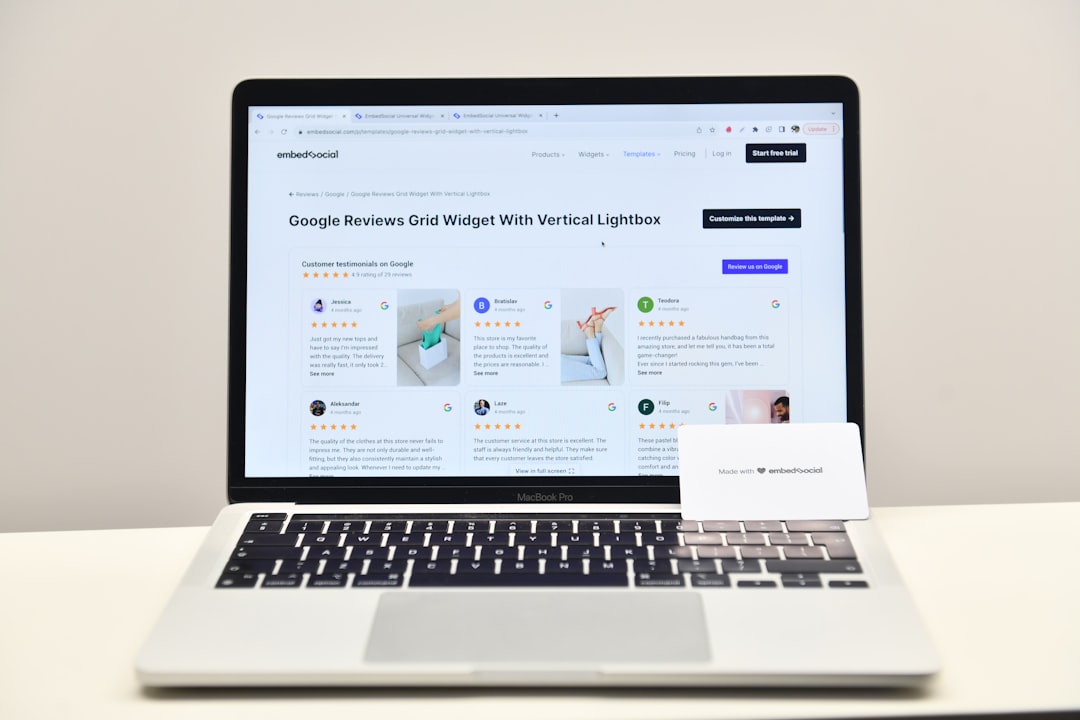
SEO brings shoppers to the page, but trust persuades them to buy. Product copy should reduce uncertainty by including proof points and reassurance. Reviews, ratings, warranty details, secure checkout notes, return policies, and delivery estimates all help shoppers feel safer.
Trust-focused copy should be specific. Instead of saying “high quality,” the page should explain what quality means: reinforced stitching, certified materials, laboratory testing, handcrafted production, or verified customer feedback. Specific claims feel more credible and are easier for shoppers to evaluate.
Availability and urgency can also support conversions when used honestly. Phrases such as “only 4 left in stock” or “ships within 24 hours” are useful if accurate. False urgency can damage brand trust and increase returns or complaints.
Use internal links strategically
Internal linking helps shoppers discover related products while helping search engines understand site structure. Product pages should link to relevant categories, buying guides, comparison pages, accessories, and complementary items. For example, a camera product page may link to lenses, memory cards, tripods, and a beginner photography guide.
Anchor text should be clear and contextual. Instead of vague phrases such as “click here,” better anchor text might say “compatible camera accessories” or “women’s waterproof jacket collection.” This provides stronger relevance for both users and search engines.
Include structured data and technical essentials
SEO copywriting is most effective when supported by clean technical optimization. Product schema can help search engines display rich results such as price, availability, ratings, and review snippets. While structured data does not guarantee enhanced listings, it improves the page’s eligibility for them.
Each product page should also have a clean URL, canonical tag, fast load time, mobile-friendly layout, and indexable content. If products have variations such as size or color, the site should handle duplicate content carefully. Canonicals, parameter management, and unique variation copy may be needed depending on the platform.

Avoid common product page SEO mistakes
Several issues can limit performance even when products are strong. Thin descriptions, duplicate manufacturer copy, missing metadata, poor image optimization, and weak internal linking are among the most common problems. Another frequent mistake is focusing only on search engines while ignoring the buyer’s concerns.
Successful ecommerce copy should answer practical questions: Will the product fit? Is it compatible? How large is it? What is included? How should it be cared for? What happens if it does not work out? When the page answers these questions clearly, shoppers are more likely to stay, trust, and purchase.
FAQ
What is product page SEO copywriting?
Product page SEO copywriting is the process of writing ecommerce product content that helps search engines understand the page and helps shoppers make buying decisions. It includes titles, descriptions, metadata, headings, image alt text, FAQs, and conversion-focused messaging, while also considering how to map ecommerce roles to business functions so content aligns with the responsibilities, goals, and workflows of different teams.
How long should a product description be?
The ideal length depends on the product complexity. Simple products may need only 150 to 300 words, while technical, premium, or high-consideration products may require 500 words or more. The copy should be long enough to answer key buyer questions without becoming repetitive.
Should ecommerce stores use manufacturer descriptions?
Manufacturer descriptions can provide useful facts, but they should not be copied directly. Unique descriptions help avoid duplicate content, improve brand voice, and give shoppers more relevant information.
Where should keywords be placed on a product page?
Keywords should appear naturally in the product title, meta title, meta description, headings, opening description, image alt text, and selected body copy. They should never be forced or repeated excessively.
Do product reviews help SEO?
Yes. Reviews add fresh, user-generated content, provide natural keyword variations, and increase trust. They can also support rich results when combined with proper structured data.
What is the biggest mistake in product page SEO?
The biggest mistake is creating thin, generic pages that do not answer shopper questions. A strong product page should be unique, specific, well structured, visually helpful, and written for real buyers as well as search engines.