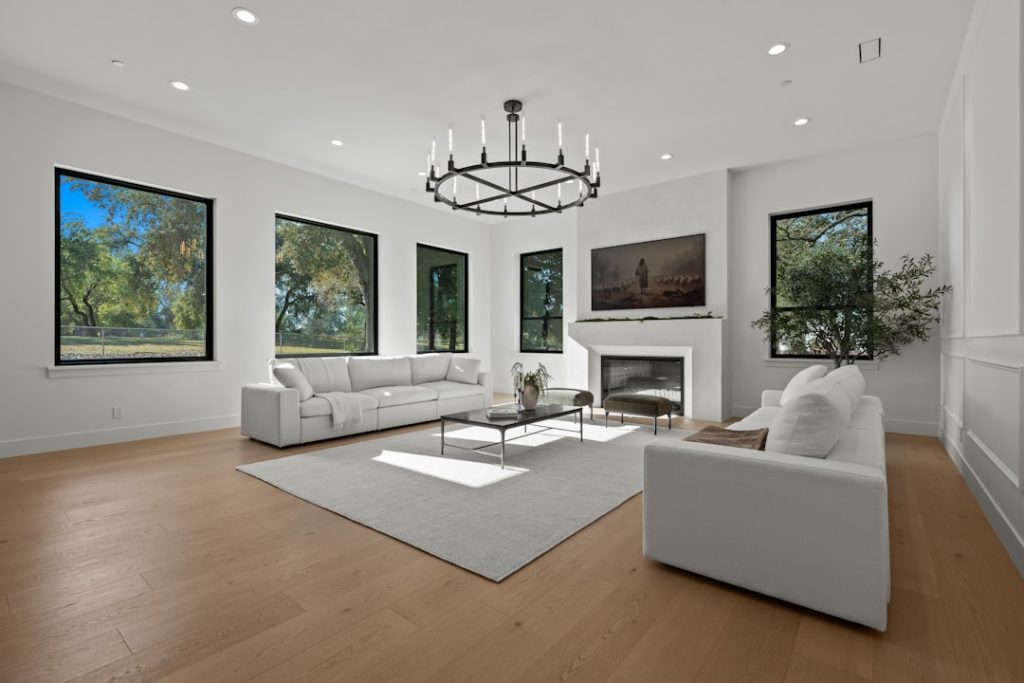

Renting out your house can feel like hosting a party where the guest stays for a year and pays the mortgage. Nice, right? But success does not happen by luck. You need a clean home, a fair price, good marketing, and a tenant who pays on time.
TLDR: To rent your house successfully, make it clean, safe, and easy to love. Set the right rent by checking similar homes nearby. Screen tenants carefully, use a clear lease, and keep communication friendly. Small upgrades and smart management can help you earn more without creating extra stress.
Start With a House People Want
Before you list your home, look at it like a renter. Walk through the front door. Sniff the air. Open the cabinets. Check the lights. Would you want to live there?
Small fixes can make a big difference. You do not need gold faucets or a movie theater in the basement. You need a home that feels clean, safe, and cared for.
- Fix leaks. Water problems scare tenants fast.
- Patch holes. Walls should not look like Swiss cheese.
- Clean deeply. Yes, even behind the fridge.
- Paint with neutral colors. Think warm gray, white, or beige.
- Make the outside neat. First impressions matter.
A bright, fresh home gets more interest. More interest means better tenant choices. That is the goal.
Set the Right Rent
Pricing your rental is like seasoning soup. Too little, and you lose money. Too much, and nobody wants a bite.
Research nearby rentals. Look at homes with the same number of bedrooms, bathrooms, parking spaces, and location. Do not compare your small cottage to a luxury villa with a pool. That is not fair to your cottage.
Check rental websites. Ask local property managers. Look at how long similar homes stay listed. If homes rent in two days, prices may be strong. If listings sit for weeks, they may be too high.
Also think about what your house offers. These features can support higher rent:
- Updated kitchen
- Washer and dryer
- Garage or driveway parking
- Fenced yard
- Pet friendly policy
- Good school district
- Close to shops, parks, or transit
Do not chase the highest possible rent if it creates long vacancy. An empty house earns zero. A slightly lower rent with a great tenant can be the smarter win.
Take Great Photos
Photos are your rental home’s dating profile. Make them good.
Open curtains. Turn on lights. Remove clutter. Put the toilet seat down. This is not optional. Nobody wants a toilet greeting them online.
Take photos during the day. Use wide angles, but do not distort the room so much that it looks fake. Show every important space. Include the kitchen, living room, bedrooms, bathrooms, yard, laundry area, and parking.
If the home has a special feature, show it. A sunny deck? Snap it. A big closet? Show it off. A cute breakfast nook? Let it shine.
Write a Listing That Sells the Lifestyle
A good listing is clear and friendly. It should answer basic questions fast. Renters are busy. They do not want to solve a mystery.
Include:
- Monthly rent
- Security deposit
- Number of bedrooms and bathrooms
- Move in date
- Pet rules
- Utilities included or not included
- Parking details
- Application requirements
Then add a little charm. Say things like, “Enjoy coffee on the sunny back patio” or “The open living room is great for movie nights.” Help renters imagine their life there.
Keep it honest. Do not call a tiny bedroom “palace sized.” People will see it in person. Then they will wonder what else you exaggerated.

Market in the Right Places
Post your rental where renters actually look. Use popular rental websites, local online groups, and community boards. If allowed, place a simple sign in the yard.
Tell friends, neighbors, and coworkers too. Good tenants often come through word of mouth. Your neighbor may know someone great who wants to move nearby.
Respond quickly to messages. A slow reply can lose a strong applicant. Keep answers polite and professional. You are running a business, even if you are wearing slippers.
Screen Tenants Like a Pro
This part is very important. A nice smile is lovely. It is not a screening system.
Use a written application for every adult who will live in the home. Follow fair housing laws. Treat every applicant the same. Do not make decisions based on personal feelings or protected characteristics.
Check these items:
- Income: Can they afford the rent?
- Credit history: Do they pay bills responsibly?
- Rental history: Did they care for past homes?
- Employment: Is their income stable?
- References: What do past landlords say?
- Background checks: Follow local laws carefully.
A common rule is that income should be around three times the monthly rent. But check your local laws and market norms. Be consistent with your standards.
Call previous landlords when possible. Ask if rent was paid on time. Ask if the property was left in good condition. Ask if they would rent to the person again. That last question can say a lot.
Use a Strong Lease
A handshake is nice. A lease is better.
Your lease should clearly explain the rules. It should include rent amount, due date, late fees, deposit terms, maintenance duties, pet rules, guest rules, and move out requirements.
Do not copy a random lease from the internet and hope for magic. Rental laws change by location. Use a lease that follows your local rules. If needed, ask a legal professional or property manager to review it.
A clear lease prevents awkward arguments later. Nobody wants to debate whether a pet goat counts as a pet. Put the rules in writing.
Maximize Rental Income Without Being Greedy
You can increase income by adding real value. Think useful upgrades, not silly extras.
Good upgrades include:
- Fresh paint
- Modern light fixtures
- Energy efficient appliances
- Smart thermostat
- Better locks
- Low maintenance landscaping
Pet rent can also increase income, if pets are allowed and local laws permit it. Many renters have pets. A pet friendly home can attract more applicants. Just use a clear pet policy and collect proper deposits or fees where allowed.
You can also reduce expenses. Use durable flooring. Install LED bulbs. Service heating and cooling systems. Preventive care costs less than emergency repairs at midnight.

Be a Good Landlord
Good tenants often stay when they feel respected. That saves you money. Turnover is costly. Cleaning, repairs, advertising, and vacancy all eat profit.
Reply to repair requests quickly. Keep records. Give proper notice before visiting. Be friendly, but keep boundaries. You are not their best friend. You are their landlord.
Use online rent collection if possible. It makes payments easier to track. It also reduces excuses like, “The check is in my other jacket on a canoe.”
Plan for Vacancies and Repairs
Even great rentals have quiet months and surprise repairs. Save money for them. A good rule is to keep a repair fund ready. Roofs leak. Water heaters retire. Dishwashers choose chaos.
Set aside part of each rent payment. This keeps one repair from becoming a financial panic.
Know When to Get Help
If you live far away, hate paperwork, or feel overwhelmed, consider hiring a property manager. They can handle marketing, showings, screening, rent collection, and repairs. They charge a fee, but they may save time and headaches.
If you manage the home yourself, stay organized. Use folders, spreadsheets, apps, or whatever system you will actually use. The best system is the one you do not abandon after two weeks.
Final Thoughts
Renting your house successfully is not about luck. It is about preparation, smart pricing, strong screening, and steady care. Make the home shine. Choose tenants carefully. Use a clear lease. Then treat the rental like the business it is.
Do that, and your house can become more than a place with walls and a roof. It can become a reliable income source. Maybe even one that lets you sleep well at night. And that is the real landlord luxury.