
Modern work rarely arrives in a neat, single-file line. Professionals often face emails, meetings, deadlines, admin tasks, creative work, and unexpected problems all at once. Managing multiple tasks effectively is not about doing everything faster; it is about deciding what deserves attention first, what can wait, and what should not be done at all.
TLDR: Effective task management begins with clear prioritization, not simply a longer to-do list. The most reliable techniques include ranking tasks by urgency and importance, estimating effort, time blocking, batching similar work, and reviewing priorities daily. When used consistently, these methods help professionals reduce stress, protect focus, and complete meaningful work on time.
Why Prioritization Matters
When every task feels important, decision fatigue quickly takes over. A person may start one task, switch to another, answer messages, attend a meeting, and end the day feeling busy but unproductive. Prioritization creates structure. It separates high-value work from noise and helps energy go where it produces the greatest results.
Good prioritization also reduces stress. Instead of carrying a vague mental list of responsibilities, professionals can see what needs immediate action, what should be scheduled, and what can be delegated or removed. The following eight techniques are practical, proven, and flexible enough for most work environments.

1. Use the Eisenhower Matrix
The Eisenhower Matrix organizes tasks into four categories based on urgency and importance:
- Urgent and important: Do these immediately.
- Important but not urgent: Schedule these for focused work.
- Urgent but not important: Delegate or minimize these when possible.
- Neither urgent nor important: Eliminate or postpone these.
This method is especially useful when workloads feel overwhelming. It reminds professionals that urgency is not the same as importance. A constant stream of notifications may feel urgent, but a strategic project may matter more in the long term.
2. Apply the ABCDE Method
The ABCDE method ranks tasks by consequence. Each task receives a letter:
- A: Must be done; serious consequences if ignored.
- B: Should be done; mild consequences if delayed.
- C: Nice to do; no major consequence.
- D: Delegate to someone else.
- E: Eliminate entirely.
After labeling tasks, the person starts with A tasks only before moving to lower categories. This technique works well because it forces a direct question: What happens if this does not get done? Tasks with the greatest consequences deserve priority.
3. Follow the 80/20 Rule
The 80/20 rule, also known as the Pareto Principle, suggests that roughly 80% of results often come from 20% of efforts. In task management, this means a small number of tasks usually create the most meaningful progress.
For example, a salesperson may find that following up with qualified leads produces far better results than reorganizing a contact spreadsheet. A manager may discover that one focused planning session prevents hours of confusion later. The goal is to identify the few activities that create outsized value and protect time for them.
4. Time Block the Calendar
Time blocking turns priorities into scheduled commitments. Instead of keeping a vague to-do list, professionals assign specific blocks of time to specific tasks. A calendar might include 9:00 to 10:30 for writing a report, 11:00 to 11:30 for email, and 2:00 to 3:00 for project review.
This method helps prevent important work from being pushed aside by interruptions. It also makes workloads more realistic. If a day has only six available work hours, a ten-hour task list becomes an obvious problem before the day begins.

5. Use the “Eat the Frog” Technique
The phrase “eat the frog” means completing the most difficult or important task early in the day. The “frog” is usually the task that creates resistance: a complex proposal, a hard conversation, a financial review, or a high-stakes decision.
Completing the hardest task first creates momentum and reduces mental clutter. When difficult work is postponed, it consumes attention throughout the day. By addressing it early, professionals free themselves to handle smaller tasks with greater confidence.
6. Batch Similar Tasks Together
Switching between different types of work drains focus. A person may lose time moving from writing to email, then to data analysis, then to phone calls. Task batching solves this by grouping similar activities together.
Examples include:
- Answering emails during two planned windows instead of all day.
- Making all phone calls in one block.
- Reviewing reports together rather than separately.
- Creating social media content for the week in one session.
Batching reduces context switching and improves efficiency. It is particularly useful for recurring administrative tasks that can easily interrupt deeper work.
7. Separate Deep Work from Shallow Work
Not all tasks require the same level of attention. Deep work includes tasks that demand concentration, creativity, analysis, or problem-solving. Shallow work includes routine emails, scheduling, filing, basic updates, and simple approvals.
Effective task managers protect their best energy for deep work. For many people, this means scheduling demanding tasks during the morning or during quiet periods. Shallow work can be placed in lower-energy parts of the day. This approach prevents important thinking from being crowded out by low-value activity.
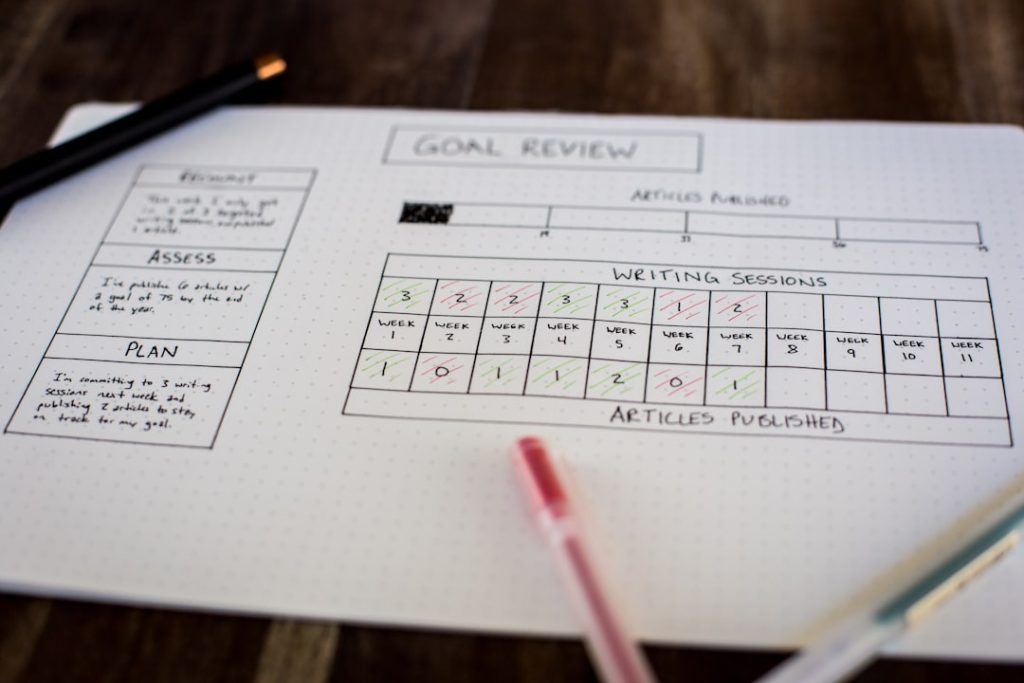
8. Review and Reset Priorities Daily
Priorities change. A client may call with an urgent problem, a deadline may move, or a manager may assign a new task. A daily review keeps the task list current and prevents outdated priorities from controlling the day.
A simple review can take ten minutes and include three questions:
- What must be completed today?
- What can be scheduled for later?
- What should be delegated, simplified, or removed?
This habit is most effective at the beginning or end of the workday. It creates clarity before action begins and helps prevent the next day from starting in confusion.

How to Choose the Right Technique
No single prioritization method works perfectly for every situation. A person managing urgent operational issues may benefit from the Eisenhower Matrix. Someone with a long personal task list may prefer the ABCDE method. A professional doing strategic or creative work may rely heavily on time blocking and deep work sessions.
The best approach is often a combination. For example, a team leader might use the Eisenhower Matrix to sort tasks, time blocking to schedule important work, and batching to handle email. The key is consistency. A simple system used daily is more effective than a complex system abandoned after one week.
Common Mistakes to Avoid
Even strong prioritization systems fail when poor habits interfere. Common mistakes include treating every request as urgent, overloading the daily schedule, skipping breaks, and confusing busyness with progress. Another frequent mistake is keeping all tasks in one large list without ranking them.
Professionals should also avoid planning every minute of the day. Unexpected work will always appear. A realistic schedule includes buffer time, especially in roles that involve clients, customers, or team coordination.
Conclusion
Managing multiple tasks effectively requires more than motivation. It requires a clear method for deciding what matters most. Techniques such as the Eisenhower Matrix, ABCDE method, 80/20 rule, time blocking, task batching, and daily reviews help professionals work with intention rather than reaction.
When priorities are clear, productivity becomes less about doing more and more about doing what matters. Over time, these techniques can reduce stress, improve focus, and create a more reliable path from planning to completion.
FAQ
What is the best way to prioritize multiple tasks?
The best approach is to rank tasks by importance, urgency, consequence, and effort. Many professionals start with the Eisenhower Matrix or ABCDE method because both provide a clear structure for deciding what should be done first.
How can someone stop feeling overwhelmed by too many tasks?
Overwhelm often decreases when tasks are written down, categorized, and scheduled. Breaking large tasks into smaller steps and identifying the top three priorities for the day can make the workload feel more manageable.
Should urgent tasks always come first?
Not always. Some urgent tasks are not truly important. Effective prioritization separates urgent requests from meaningful work so that long-term goals are not sacrificed for constant short-term interruptions.
How often should priorities be reviewed?
Priorities should be reviewed daily, especially in fast-moving work environments. A short review at the start or end of the day helps keep plans realistic and current.
What is the simplest prioritization technique for beginners?
The simplest technique is to choose the top three tasks for the day. These should be the tasks that create the most progress or carry the most serious consequences if left unfinished.