
Imagine a website that says, “Click here and get free PayPal money!” It sounds magical. Like a cash machine run by a wizard. But the wizard is fake. The cash machine is fake too. Fake PayPal money generators are not secret tools. They are scams built to trick people.
TLDR: Fake PayPal money generators do not create real money. They usually steal your login details, personal data, or time. Some push you into surveys, downloads, or fake “verification” steps. If a site promises free PayPal cash for nothing, treat it like a giant red warning sign.
What Is a Fake PayPal Money Generator?
A fake PayPal money generator is a website, app, video, or “tool” that claims it can add money to your PayPal account.
It may ask you to type in your PayPal email. Then it may show a loading bar. It may say things like:
- “Connecting to PayPal servers…”
- “Generating $500…”
- “Bypassing security…”
- “Human verification required…”
It looks exciting. It feels like a video game cheat code. But it is just theater. The buttons, bars, and numbers are there to make you trust the scam.
PayPal money cannot be created by a random website. PayPal is a real financial system. It uses secure records, bank links, fraud checks, and account limits. Money does not appear because a cartoon button says “Generate.”
How These Scams Pretend to Work
Most fake generators follow the same script. It is simple. It is sneaky. And it is meant to keep you clicking.
Step 1: The promise. The site promises free PayPal money. Sometimes it offers $50. Sometimes $5,000. The amount is usually big enough to tempt you, but not so big that it feels impossible.
Step 2: The fake setup. You enter your PayPal email, username, or phone number. The site may ask how much money you want. This makes the process feel personal.
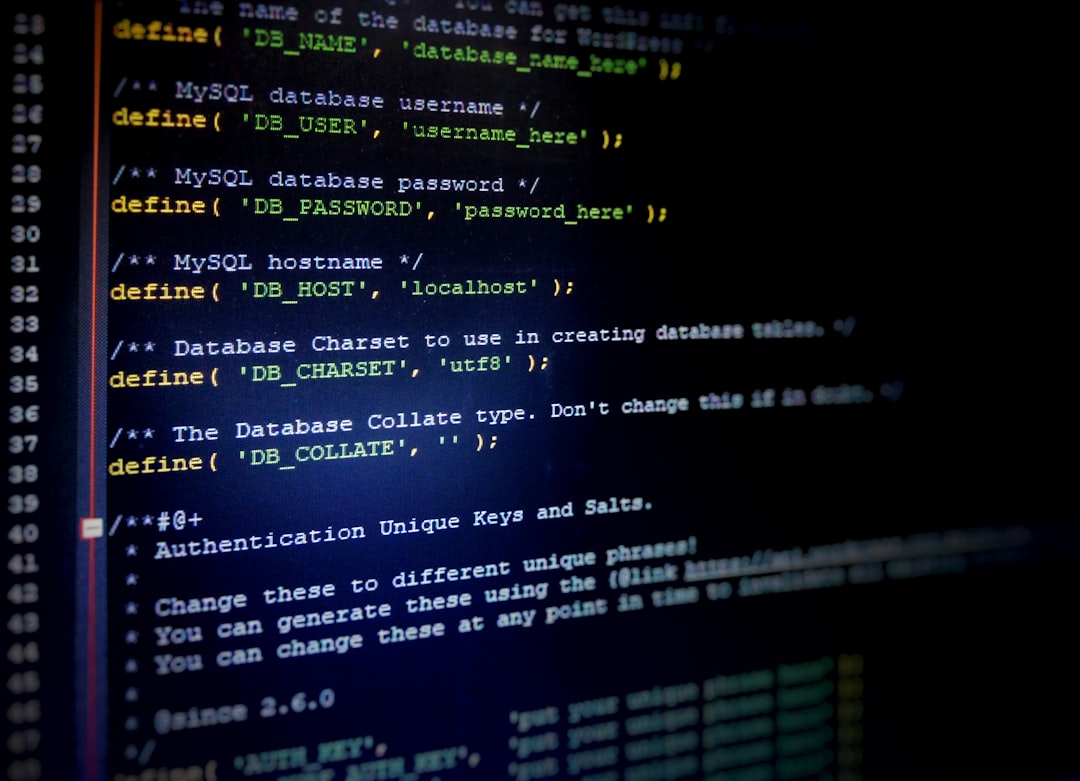
Step 3: The fake loading screen. A progress bar appears. It may show code scrolling down the screen. It may claim to connect to PayPal. This is just decoration. It is the online version of a magician waving a shiny cape.
Step 4: The “verification” trap. Right before you get the money, the site says you must prove you are human. That sounds normal. But this is where the scam often happens.
The “verification” may ask you to:
- Complete surveys.
- Download apps.
- Enter your phone number.
- Sign up for trials.
- Share personal information.
- Install browser extensions.
- Log in to a fake PayPal page.
After all that, no money arrives. The scammer may earn money from your surveys. They may collect your data. They may steal your password. You get nothing but frustration.
Why They Cannot Really Generate PayPal Money
PayPal is not a jar of coins on the internet. It is a payment platform. Every balance is tied to records. Every transfer has logs. Every account has security checks.
For money to enter your PayPal account, it must come from a real source. For example:
- A person sends it to you.
- A business pays you.
- You transfer it from a bank.
- You receive a refund.
- You sell something and get paid.
A random generator has no legal way to add funds. It cannot tell PayPal, “Please give this stranger $900 because they clicked a button.” That is not how money works. That is how fairy tales work.
Also, PayPal has teams and systems that watch for fraud. If a tool really could hack balances, it would be illegal. It would also be shut down fast. People selling “secret generators” on sketchy sites would not be sharing a money glitch with the world. They would be hiding from law enforcement.
The Most Common Tricks Used
Fake PayPal money generator scams come in many costumes. Some wear a shiny website. Some hide in YouTube comments. Some appear in social media posts with fake screenshots.
Here are the usual tricks.
- Fake proof: Scammers show edited screenshots of PayPal balances.
- Fake comments: Bots say, “It worked for me!”
- Fake urgency: The page says the offer expires in five minutes.
- Fake limits: It says only 12 uses are left today.
- Fake support chat: A bot pretends to help you.
- Fake security words: It uses terms like encryption, server sync, and bypass to sound smart.
These tricks are not random. They are designed to rush you. When people feel excited or scared, they think less. The scam wants your brain to say, “Click now!” before your common sense says, “Wait a second.”
What Scammers Really Want
The scam is not about giving you money. It is about taking something from you.
They may want your PayPal login. Some fake sites send you to a page that looks like PayPal. It is not PayPal. If you type your email and password, the scammer may capture them.
They may want your personal information. Your name, phone number, address, and email can be sold or used for more scams.
They may want money from you. Some sites ask for a small “activation fee.” They may call it a tax, unlock fee, or processing charge. Once you pay, they vanish.
They may want you to install malware. A download may contain harmful software. It could spy on you, steal passwords, or damage your device.
They may want ad revenue. Some scams make you click through endless ads and surveys. The scammer earns a little money. You waste your time.
Red Flags to Watch For
Use this checklist when you see a “free PayPal money” offer.
- It promises money for doing almost nothing.
- It asks for your PayPal password.
- It uses bad spelling or strange grammar.
- It has a countdown timer.
- It asks you to complete surveys first.
- It tells you not to tell anyone.
- It claims to “hack” or “bypass” PayPal.
- It has no real company information.
- It asks for a fee before sending money.
If you see one red flag, slow down. If you see three, run away like the website is wearing clown shoes and holding your wallet.
What To Do If You Used One
Do not panic. Move fast.
- Change your PayPal password if you entered it anywhere suspicious.
- Turn on two step verification in your PayPal account.
- Check recent activity for strange payments or logins.
- Remove unknown apps or extensions from your device and browser.
- Run a security scan if you downloaded anything.
- Contact PayPal support if you think your account is at risk.
- Watch your email and phone for new scam messages.
Safer Ways to Earn PayPal Money
Free money generators are fake. But real ways to earn money online do exist. They just require real work.
You can try:
- Selling items you no longer need.
- Doing freelance tasks.
- Taking paid research studies from trusted companies.
- Creating digital products.
- Offering tutoring or simple services.
- Using cashback apps from known brands.
These methods are not magic. That is why they are more trustworthy. Real money usually has a real reason behind it.
The Simple Rule
If a tool says it can generate PayPal money, it is almost certainly a scam. If it asks for your password, it is dangerous. If it asks for a fee to unlock free money, it is nonsense wearing a fancy hat.
Remember this: PayPal money comes from real payments, not fake generators. Keep your login private. Be careful with “too good to be true” offers. And when the internet promises free cash with one click, smile, close the tab, and keep your wallet safe.