
Client gifting is more than a seasonal courtesy; it is a thoughtful way for a company to express appreciation, reinforce trust, and keep relationships warm between meetings, renewals, or major projects. When chosen with care, a gift can communicate that a business understands its client’s preferences, values the partnership, and pays attention to the small details that make collaboration feel personal.
TLDR: The strongest client gifts are useful, personal, well-timed, and appropriate for the relationship. Businesses should focus less on price and more on relevance, quality, and sincerity. A memorable gift can strengthen loyalty, celebrate milestones, and keep a brand positively associated with the client experience.
Why Client Gifts Matter
In competitive markets, professional relationships are often built on more than contracts and deliverables. Clients remember how a company makes them feel, especially during important moments such as project completions, anniversaries, holidays, launches, or difficult business periods. A carefully selected gift can serve as a reminder that the relationship is valued beyond transactions.
Client gifts can also help maintain top-of-mind awareness. When a client receives something useful or meaningful, the giving company becomes associated with reliability and care. However, the impact depends on intention. A generic item may be forgotten quickly, while a thoughtful gift can spark conversation, appreciation, and long-term goodwill.

Principles of an Effective Client Gift
Before selecting a gift, a company should consider the purpose behind it. Is the gift meant to thank a long-term client, celebrate a successful campaign, welcome a new account, or recognize a referral? The goal should guide the choice.
- Relevance: The gift should fit the client’s interests, industry, or current needs.
- Quality: A simple but well-made item often feels more impressive than an expensive but careless one.
- Professionalism: The gift should remain appropriate for the business context.
- Personalization: A small custom detail can make the gesture feel intentional.
- Timing: Gifts feel more meaningful when they arrive at the right moment.
Companies should also be aware of client policies. Some organizations have strict rules about receiving gifts, especially in finance, government, healthcare, and legal sectors. When in doubt, modest and practical gifts are usually safest.
Personalized Gifts That Feel Thoughtful
Personalization can transform an ordinary item into a memorable gesture. This does not always mean adding a large logo. In fact, subtle customization often feels more premium. A client’s initials, company colors, or a handwritten note can create a stronger impression than overt branding.
Examples include engraved notebooks, custom desk accessories, personalized calendars, or monogrammed travel items. For creative clients, a custom illustration of their office, product, or city skyline may feel distinctive. For executives who travel frequently, a high-quality luggage tag, cable organizer, or passport holder can be both elegant and useful.
The key is restraint. A gift should not feel like advertising disguised as appreciation. If branding is included, it should be tasteful and secondary to the recipient’s experience.
Food and Beverage Gifts
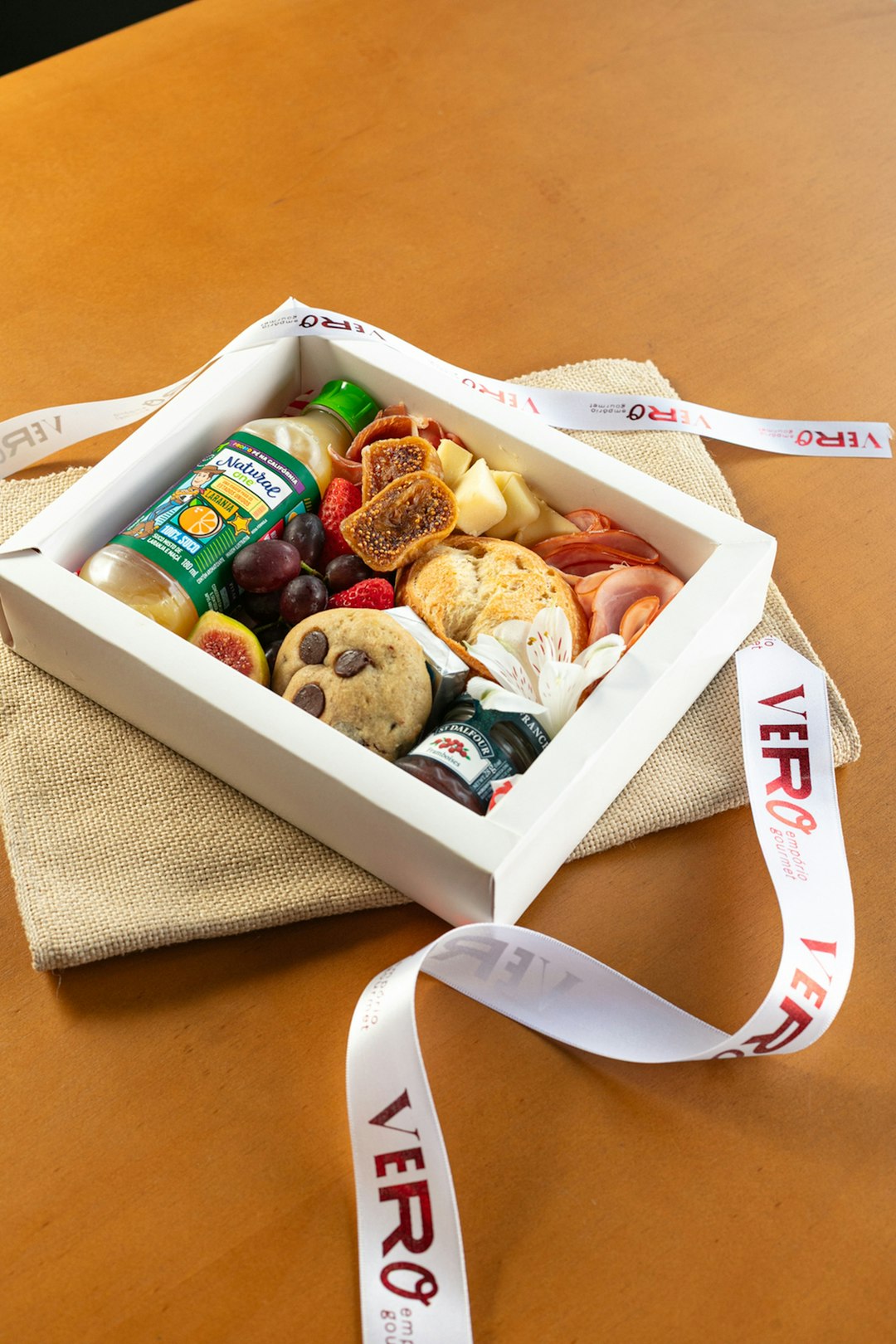
Food gifts are popular because they are easy to share and enjoy. A curated basket of artisan snacks, premium coffee, specialty teas, gourmet chocolates, or local products can be a safe and welcome choice. If a company knows the recipient’s preferences, the gift can become even more meaningful.
For example, a client known to enjoy coffee might appreciate a selection of small-batch beans with a ceramic mug. A team that recently completed an intense project might enjoy a lunch delivery, bakery box, or celebratory treat package. These gifts are especially effective when intended for a group rather than one individual.
However, dietary restrictions should be considered. Where possible, companies should choose inclusive options, such as gluten-free, vegan, nut-free, or alcohol-free selections. This shows awareness and prevents the gift from becoming awkward or unusable.
Experience-Based Gifts
Experiences can be more memorable than physical products. They allow clients to enjoy a moment of relaxation, learning, entertainment, or connection. Suitable options may include tickets to an industry event, a virtual tasting session, a wellness class, a workshop, or a charitable team activity.
Experience gifts work especially well when the company understands the client’s culture. A fast-growing startup might enjoy a team-building activity, while a senior executive may prefer a fine dining voucher or a private business book subscription. For remote clients, digital experiences such as online cooking classes, virtual escape rooms, or masterclasses can bridge the distance.
When gifting experiences, flexibility matters. The recipient should be able to choose a convenient date or option. A gift that creates scheduling pressure can lose its charm.
Practical Gifts for Everyday Use
Practical gifts are often the most appreciated because they become part of the client’s routine. Useful items can stay visible for months or even years, quietly reinforcing the business relationship.
- Premium notebooks and pens: Ideal for meetings, planning, and daily notes.
- Wireless chargers: Helpful for desks, travel, and hybrid work setups.
- Reusable water bottles: Practical and aligned with sustainability values.
- Desk plants: Simple, attractive, and suitable for most office environments.
- Noise-reducing headphones or accessories: Useful for remote work and travel.
Practical does not have to mean boring. The best everyday-use gifts combine function with attractive design. A beautifully packaged desk plant or a sleek charger can feel more premium than a novelty item that has little purpose.
Sustainable and Ethical Gift Ideas
Many businesses increasingly value sustainability, so eco-conscious gifts can make a positive statement. These gifts show that a company is attentive not only to the client but also to broader values. Options include recycled stationery, reusable drinkware, organic cotton tote bags, solar-powered gadgets, plantable cards, or products made by local artisans.
Another meaningful choice is a donation made in the client’s name. This can be especially powerful when the cause aligns with the client’s mission or industry. For instance, a company might support environmental restoration, education, food security, or community development. To make the gesture feel personal, the company should include a short note explaining why the cause was chosen.

Luxury Gifts Without Overstepping
Luxury gifts can be appropriate for high-value partnerships, major milestones, or long-standing relationships. However, they require careful judgment. A gift that is too expensive may create discomfort or appear transactional. The safest luxury gifts are refined, tasteful, and not overly personal.
Examples include a high-end writing instrument, a quality leather portfolio, a premium business book set, a fine desk clock, or an elegant gift hamper. The presentation should also be polished. Packaging, a personal note, and timely delivery can elevate the entire experience.
Businesses should remember that luxury is not only about cost. It is about the feeling of care, exclusivity, and quality. A modest gift selected with exceptional thought can feel more luxurious than an expensive item chosen without context.
The Importance of a Handwritten Note
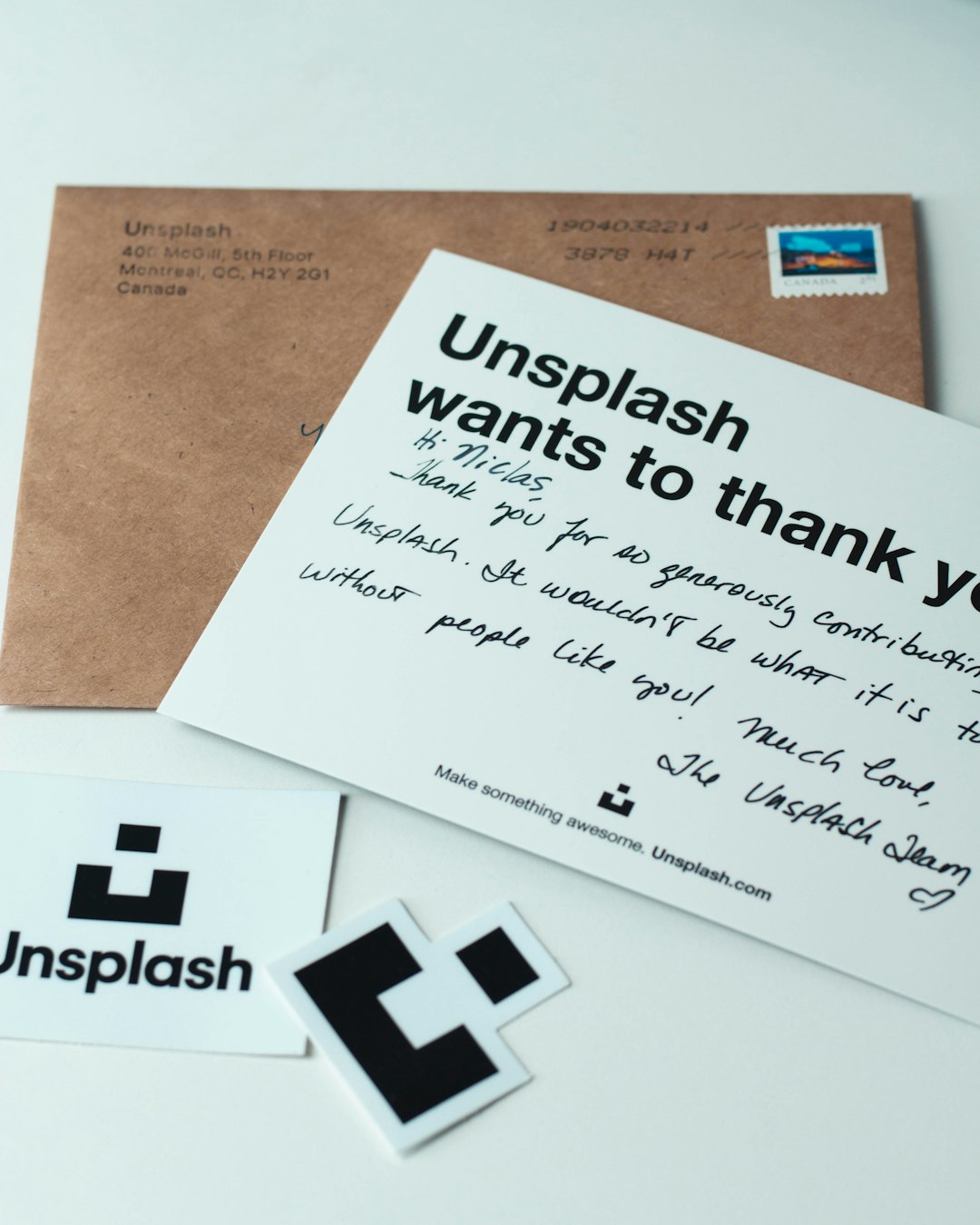
A handwritten note is one of the simplest ways to make a client gift more meaningful. It adds warmth and authenticity to the gesture. The message should be brief, specific, and sincere. Instead of a generic “thank you for your business,” the note might mention a successful collaboration, a shared milestone, or appreciation for the client’s trust.
For example, a company might write, “The team appreciated the opportunity to support this year’s product launch. The collaboration was energizing, and the company looks forward to what comes next.” Such a message reinforces the relationship and makes the gift feel personal.
Common Mistakes to Avoid
Even well-intended gifts can miss the mark if they are poorly chosen. Companies should avoid items that are too personal, culturally insensitive, impractical, or heavily branded. Alcohol may not be appropriate unless the recipient’s preferences are known. Humorous gifts can be risky if the relationship is formal or new.
Another common mistake is sending the same generic gift to every client without considering the relationship. While scalable gifting programs are useful, segmentation helps. Long-term clients, new clients, referral partners, and executive contacts may each warrant different types of recognition.
How to Choose the Right Gift
The best approach is to combine client knowledge with business context. A company should consider the recipient’s role, preferences, company culture, location, and the nature of the relationship. A modest gift with personal relevance will usually outperform an expensive gift with no emotional connection.
Ultimately, client gifting should support the relationship, not replace excellent service. Gifts are most effective when they reflect genuine appreciation and are backed by consistent communication, dependable delivery, and professional respect.
FAQ
What is an appropriate budget for client gifts?
The appropriate budget depends on the relationship, industry, and company policy. Many businesses choose modest gifts that feel thoughtful rather than extravagant, often focusing on quality and relevance over price.
When should a company send client gifts?
Common occasions include holidays, project completions, contract renewals, client anniversaries, referrals, product launches, and major milestones. Unexpected appreciation gifts can also be effective when timed thoughtfully.
Should client gifts include company branding?
Branding can be included, but it should be subtle. A tasteful logo on packaging or a small item is usually better than making the entire gift feel promotional.
Are food gifts a safe option?
Food gifts are often well received, especially for teams. However, companies should consider dietary restrictions, allergies, and cultural preferences before sending them.
What makes a client gift memorable?
A memorable client gift is personal, useful, well-presented, and connected to the relationship. A sincere note and thoughtful timing often make the biggest difference.