
Medical billing and coding sounds like a job with a calculator in one hand and a giant medical dictionary in the other. But do not worry. It is much less scary than it sounds. It can also be a real remote job, which is why so many people are curious about it.
TLDR: Yes, medical billing and coding can be a remote job. Many coders and billers work from home after they get training and some experience. You need accuracy, privacy, and strong computer skills. It is not a “get rich quick” job, but it can be a stable career with flexible options.
So, Is Medical Billing and Coding Really Remote?
Yes, it can be. Many medical billing and coding jobs are remote. You may work for a hospital, clinic, insurance company, or billing service. Instead of sitting in a medical office, you may sit at your kitchen table with a laptop and coffee.
But here is the important part. Not every job starts remote. Some employers want beginners to work on-site first. They may want to train you in person. They may also want to see that you can handle the work before sending you home.
Think of it like learning to ride a bike. First, someone holds the seat. Then you wobble. Then you zoom away like a coding superhero.
What Do Medical Billers and Coders Do?
Medical billing and coding are often talked about together. But they are not exactly the same.
Medical coding is the process of turning medical notes into codes. Doctors write what happened during a visit. The coder reads the notes. Then the coder chooses the correct codes for diagnoses, procedures, and services.
Medical billing is the process of sending claims to insurance companies. Billers make sure the provider gets paid. They check claims. They fix errors. They follow up when payments are delayed.
In simple words:
- Coders translate medical records into codes.
- Billers use those codes to create and manage claims.
- Some people do both, especially in smaller offices.
It is like a restaurant. The coder writes down exactly what the customer ordered. The biller makes sure the restaurant gets paid for it.
Why This Job Works Well From Home
Medical billing and coding is mostly computer-based. That makes it a good fit for remote work. You do not usually need to touch patients, take blood pressure, or hand out stickers to brave kids.
Most of the work happens in digital systems. You may review patient charts. You may enter codes. You may check insurance rules. You may send messages to providers or insurance companies.
To work from home, you usually need:
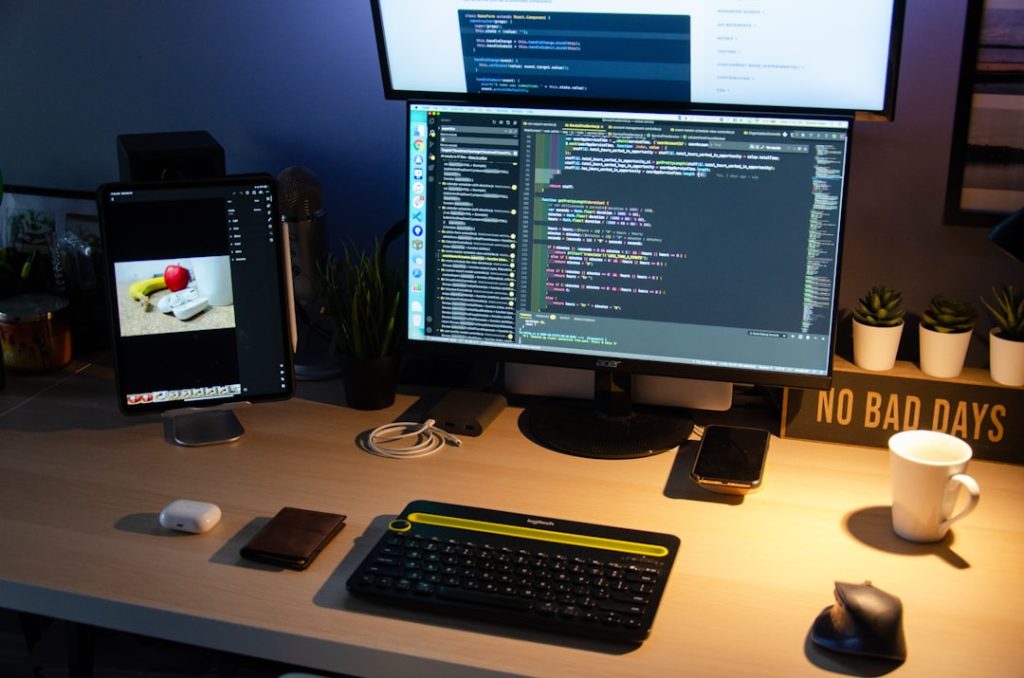
- A reliable computer.
- Fast internet.
- Secure access to medical software.
- A quiet workspace.
- Good focus.
- Respect for patient privacy.
That last one is huge. Medical records are private. You cannot work from a busy coffee shop with patient information on your screen. No one wants their knee surgery details seen by a guy ordering a muffin.
Can Beginners Get Remote Jobs?
This is the big question. And the honest answer is: sometimes.
Some entry-level remote jobs exist. But they can be competitive. Employers often prefer people with experience. Why? Because billing and coding mistakes can cost money. A wrong code can delay payment. A missing detail can cause a claim denial.
So, if you are brand new, you may need to start with:
- An on-site job.
- A hybrid job.
- An internship or externship.
- A part-time billing role.
- A customer service job in healthcare.
Do not see this as bad news. See it as your training montage. Every hero needs one. Yours just has fewer explosions and more insurance forms.
What Skills Do You Need?
You do not need to be a doctor. You do not need to memorize every bone in the body while standing dramatically in front of a whiteboard. But you do need some key skills.
1. Attention to Detail
This job loves details. Tiny details. Sneaky details. The kind that hide in plain sight.
A code with one wrong number can create problems. A missing modifier can delay payment. So, if you enjoy solving puzzles, this may fit you well.
2. Basic Medical Knowledge
You need to understand medical terms. You should know what common diagnoses and procedures mean. You do not need to perform surgery. Please do not perform surgery.
But you should know the language of healthcare.
3. Computer Skills
Remote billers and coders use software every day. You may use electronic health record systems, billing platforms, coding tools, and spreadsheets.
If your computer freezes and you panic like it just growled at you, practice helps. You can learn.
4. Privacy and Professionalism
Healthcare data is protected. In the United States, this often means following HIPAA rules. You must keep patient information safe.
No gossip. No screenshots. No printing records and leaving them on the couch next to your cat.
5. Communication
You may need to ask doctors for more information. You may contact insurance companies. You may explain claim issues.
Clear writing matters. Short, polite messages matter. Patience matters a lot.
Do You Need Certification?
Certification is not always required. But it can help a lot. It shows employers that you understand the basics. It can also help you stand out when applying for remote jobs.
Common certifications include:
- CPC from AAPC, often used for physician office coding.
- CCS from AHIMA, often used for hospital coding.
- CBCS, focused more on billing and coding support.
Different jobs may prefer different certifications. Read job listings before choosing a path. If many local or remote listings ask for CPC, that is useful information.
Certification exams can be challenging. But they are not impossible. With study and practice, many people pass. The trick is to prepare well. Do practice exams. Learn the code books. Get comfortable with guidelines.
How Long Does It Take to Get Started?
Training time varies. Some programs take a few months. Others take a year or more. It depends on how deep the program goes and how much time you study each week.
A simple timeline may look like this:
- Month 1: Learn basic medical terms.
- Months 2 to 4: Study coding systems and billing rules.
- Months 5 to 6: Practice real-world cases.
- Month 7: Prepare for certification.
- Month 8 and beyond: Apply for jobs and keep learning.
This is only an example. Some people move faster. Some move slower. Both are fine. You are building a career, not microwaving popcorn.
What Is the Workday Like?
A remote medical biller or coder usually starts by logging into secure systems. Then the real work begins.
A coder may review charts from patient visits. They check the provider’s notes. They choose the correct diagnosis and procedure codes. They may check coding guidelines. They may flag unclear records.
A biller may prepare claims. They may submit them to insurance companies. They may review rejected claims. They may call or message insurers. They may post payments.
The day can be quiet. It can also be busy. There may be deadlines. There may be productivity goals. Some employers track how many charts or claims you complete.
Remote does not mean lazy. It means your commute is shorter. Like, “walk from bedroom to desk” shorter.
Pros of Remote Medical Billing and Coding
There are many good things about this career path. Here are the big ones:
- No daily commute. Your car may miss you. Your wallet may not.
- Flexible job options. Some roles are full-time, part-time, or contract.
- Stable industry. Healthcare is not going away.
- Good for detail lovers. If you like organized work, this may feel satisfying.
- Room to grow. You can move into auditing, management, compliance, or specialty coding.
Cons You Should Know
Now let’s be real. No job is perfect. Even remote jobs have their “ugh” moments.
- Entry-level remote work can be hard to find. You may need experience first.
- The work can be repetitive. You may review many similar charts.
- Accuracy pressure is real. Mistakes can affect payment.
- You must keep learning. Codes and rules change.
- Working from home can feel lonely. Your houseplants are nice, but they do not answer coding questions.
If you like teamwork and constant social contact, a fully remote role may feel too quiet. A hybrid job might be better.
How Much Can You Make?
Pay depends on many things. Experience matters. Certification matters. Location matters. The type of employer matters too.
New billers or coders may start at a lower rate. Certified and experienced coders often earn more. Specialty coders, auditors, and compliance experts can earn even more.
Remote work does not always mean higher pay. Some companies pay based on your location. Others pay based on the role. Always read the job details carefully.
Also, watch out for scams. If a job says you can make huge money with no training and no experience, be careful. If they ask you to pay for equipment by sending money to a strange account, run away. Maybe do a dramatic movie-style run.
How to Find Remote Medical Billing and Coding Jobs
Finding a remote job takes patience. It also takes a good plan.
Try these steps:
- Get training from a reputable program.
- Earn a certification if your target jobs ask for one.
- Create a clear resume that lists software, skills, and coding knowledge.
- Search job boards using terms like “remote medical coder,” “remote billing specialist,” and “revenue cycle specialist.”
- Apply to hospitals, clinics, insurance companies, and billing companies.
- Network online in medical coding groups and professional communities.
- Be open to hybrid or on-site roles at first.
Remote jobs can get many applications. So do not give up after five tries. Or ten. Keep improving your resume. Keep learning. Keep applying.
What Employers Look For
Employers want people who are accurate, reliable, and trustworthy. They also want people who can work without someone standing over them.
For remote roles, they may look for:
- Certification.
- One or more years of experience.
- Knowledge of ICD, CPT, and HCPCS codes.
- Experience with electronic health records.
- Strong internet connection.
- A private home workspace.
- Good written communication.
If you are new, highlight transferable skills. Did you work in customer service? That helps. Did you handle data entry? That helps. Did you manage private information? That helps too.
Is It Right for You?
Medical billing and coding may be a good fit if you like focused work. It may also be good if you enjoy healthcare but do not want direct patient care.
You may enjoy this job if you:
- Like rules and systems.
- Enjoy solving small mysteries.
- Can sit and focus for long periods.
- Are comfortable with computers.
- Respect privacy.
- Want a career with remote potential.
You may not enjoy it if you hate detail work. Or if you want a job with lots of movement. Or if you want instant success with no studying. This career takes effort.
Final Thoughts
Medical billing and coding can absolutely be a remote job. But it is not magic. You need training. You may need certification. You may need to build experience before landing a fully remote role.
The good news is that the path is clear. Learn the basics. Practice the skills. Protect patient privacy. Apply with patience. Keep growing.
If you like healthcare, computers, and puzzles, this career may be worth a serious look. And yes, you might one day work in slippers. Just remember to stay professional from the waist up on video calls.