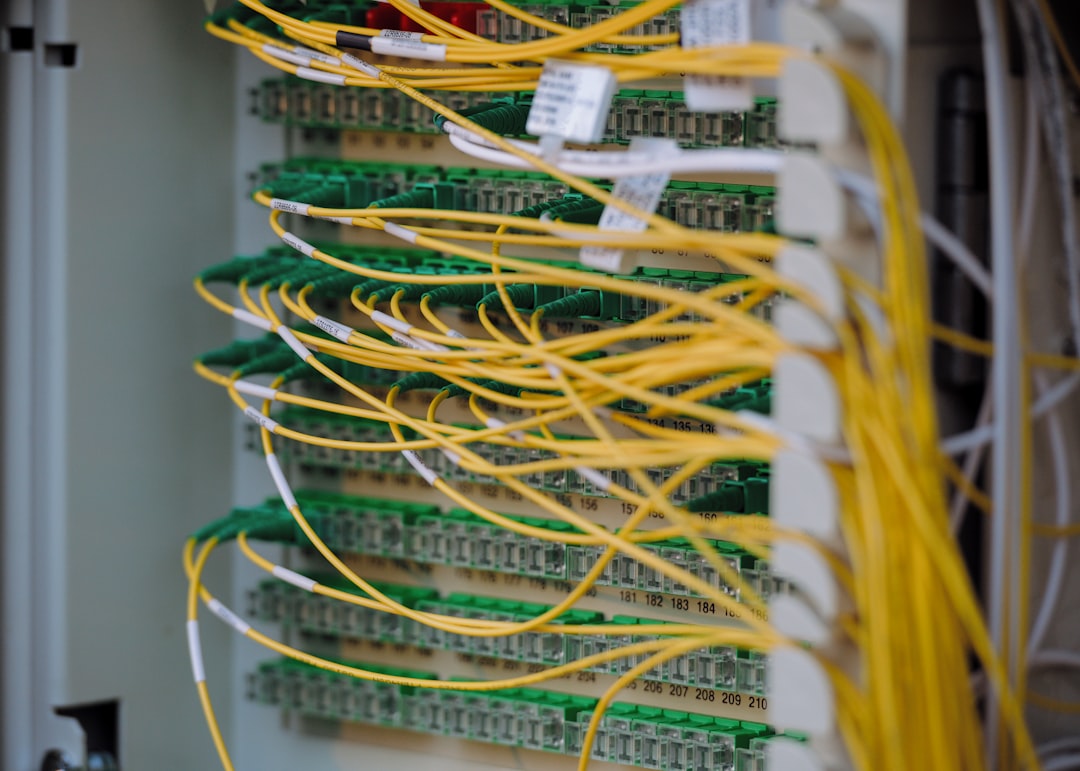

In a digital economy where speed, intelligence, and automation define competitive advantage, Superengine represents a new class of powerful technology platforms designed to connect data, algorithms, workflows, and user experiences into one high-performance system. Whether used for search, artificial intelligence, automation, analytics, or enterprise operations, a Superengine can act as the central “power layer” that helps organizations process information faster, make smarter decisions, and build more scalable digital products.
TLDR: Superengine is a high-performance platform concept that combines intelligent processing, automation, data integration, and scalable infrastructure. It can support applications such as AI search, recommendation systems, business analytics, workflow automation, and enterprise decision-making. For businesses, Superengine can improve productivity, reduce operational complexity, and unlock new digital services. Its value is strongest when it is aligned with clear business goals, quality data, and practical implementation strategies.
What Is Superengine?
Superengine can be understood as an advanced technology engine that powers complex digital functions behind the scenes. Instead of being a single tool for one narrow task, it is better described as a multi capability platform that combines several technical strengths: data processing, artificial intelligence, machine learning, automation, indexing, search, optimization, and integration with other business systems.
Think of it as the difference between a basic motor and a sophisticated aircraft engine. A basic motor may perform one function reliably, but a Superengine is built to operate under heavier workloads, adapt to changing conditions, and support many mission critical functions at once. In business terms, it can become the foundation for smarter websites, enterprise software, customer portals, analytics dashboards, and operational systems.
At its core, Superengine is about turning raw digital activity into useful action. It can collect information, understand patterns, respond to user needs, automate repetitive tasks, and deliver insights at scale. This makes it especially relevant in industries where data is abundant but time, attention, and accuracy are limited.
Key Features of Superengine
A Superengine is valuable because it brings together features that would otherwise require several different platforms. While the exact architecture may vary, most Superengine style systems include the following capabilities:
- High speed data processing: The ability to handle large volumes of structured and unstructured data in real time or near real time.
- Intelligent search: Advanced retrieval functions that understand context, user intent, keywords, relationships, and sometimes natural language questions.
- Automation workflows: Tools that trigger actions automatically, such as routing requests, updating records, sending alerts, or generating reports.
- Machine learning capabilities: Models that learn from usage patterns, customer behavior, historical data, and operational signals.
- System integration: Connections with databases, APIs, customer relationship management platforms, ecommerce systems, cloud services, and internal tools.
- Scalable infrastructure: The ability to grow from small workloads to enterprise scale usage without major redesign.
- Security and permissions: Controls for authentication, access management, encryption, compliance, and audit trails.
- Analytics and reporting: Dashboards and insights that help teams measure performance, identify bottlenecks, and improve decision-making.
One of the most important features is orchestration. A Superengine does not simply store or process information; it coordinates several moving parts. For example, a customer support Superengine could analyze a customer question, search an internal knowledge base, recommend a response, update the support ticket, notify a specialist, and record performance metrics, all within one connected flow.
How Superengine Differs from Traditional Software
Traditional business software is often built around isolated functions. A company may have one tool for search, another for analytics, another for customer data, another for automation, and another for reporting. This can work for small operations, but as complexity increases, teams often face fragmented data, duplicated work, inconsistent insights, and slow decision cycles.
Superengine differs by acting as a unifying intelligence layer. Rather than forcing people to jump between disconnected systems, it can bring data and actions together. This does not necessarily mean replacing every existing tool. In many cases, a Superengine sits above or between systems, connecting them and making them more useful.
The result is a more responsive organization. Information becomes easier to find, workflows become more predictable, and teams spend less time on manual coordination. In competitive markets, that speed can translate directly into better customer experiences and lower operating costs.
Major Applications of Superengine
Superengine technology can be applied across many industries and business functions. Its flexibility comes from the fact that nearly every modern organization depends on information flow, decision-making, and process execution.
1. Enterprise Search and Knowledge Management
Companies generate enormous amounts of knowledge: documents, emails, chats, support tickets, product manuals, research notes, contracts, and training materials. A Superengine can make this knowledge searchable and useful. Instead of relying only on exact keyword matches, it can understand meaning, rank results by relevance, and even suggest answers based on trusted internal sources.
This is especially helpful for large organizations where employees waste time looking for information. A strong internal search engine can reduce repeated questions, improve onboarding, and help teams make decisions based on accurate institutional knowledge.
2. AI Powered Customer Experience
Customer expectations are higher than ever. People want fast answers, personalized recommendations, smooth checkout processes, and consistent support across channels. Superengine can power intelligent customer experiences by connecting behavioral data, product information, support history, and predictive models.
For example, an ecommerce business could use Superengine to recommend products based on browsing behavior, detect abandoned carts, personalize promotional messages, and help support agents resolve issues faster. The customer sees a smoother experience, while the business benefits from improved conversion and loyalty.

3. Business Intelligence and Decision Support
Many organizations have access to data but struggle to interpret it quickly. Superengine can process operational metrics, sales data, market signals, and customer behavior to produce timely insights. Instead of waiting for static monthly reports, managers can access dynamic dashboards and automated recommendations.
In practical terms, this might mean identifying which products are underperforming, which customers are likely to churn, which regions need more inventory, or which marketing campaigns are delivering the highest return. The value is not just in seeing numbers, but in turning those numbers into actionable intelligence.
4. Workflow Automation
Routine processes consume a significant portion of business time. Approvals, data entry, compliance checks, status updates, lead routing, invoice review, and employee onboarding can all involve repetitive tasks. Superengine can automate these workflows while still allowing human oversight where judgment is required.
Automation does not simply mean replacing manual work. More importantly, it means creating consistency. When workflows are automated, fewer steps are forgotten, fewer records are misplaced, and teams can focus on higher value activities.
5. Product and Software Development
Technology teams can use Superengine as a backend intelligence layer for applications. It can support search functions, recommendation logic, access permissions, analytics, content processing, and real time personalization. This allows product teams to build richer features faster without reinventing core infrastructure from scratch.
For software as a service companies, Superengine can become part of the product’s competitive advantage. A platform that delivers faster insights, smarter automation, and better user experience is more likely to retain customers and justify premium pricing.
Business Use Cases
To understand the commercial impact of Superengine, it helps to look at specific use cases across different sectors.
Retail and Ecommerce
Retailers can use Superengine to personalize shopping journeys, optimize inventory, detect demand trends, and improve product discovery. A customer searching for “comfortable office shoes” could receive results that consider style, size availability, past purchases, reviews, and current promotions. Meanwhile, the business can analyze which searches fail, which products are trending, and where inventory should be adjusted.
Healthcare and Life Sciences
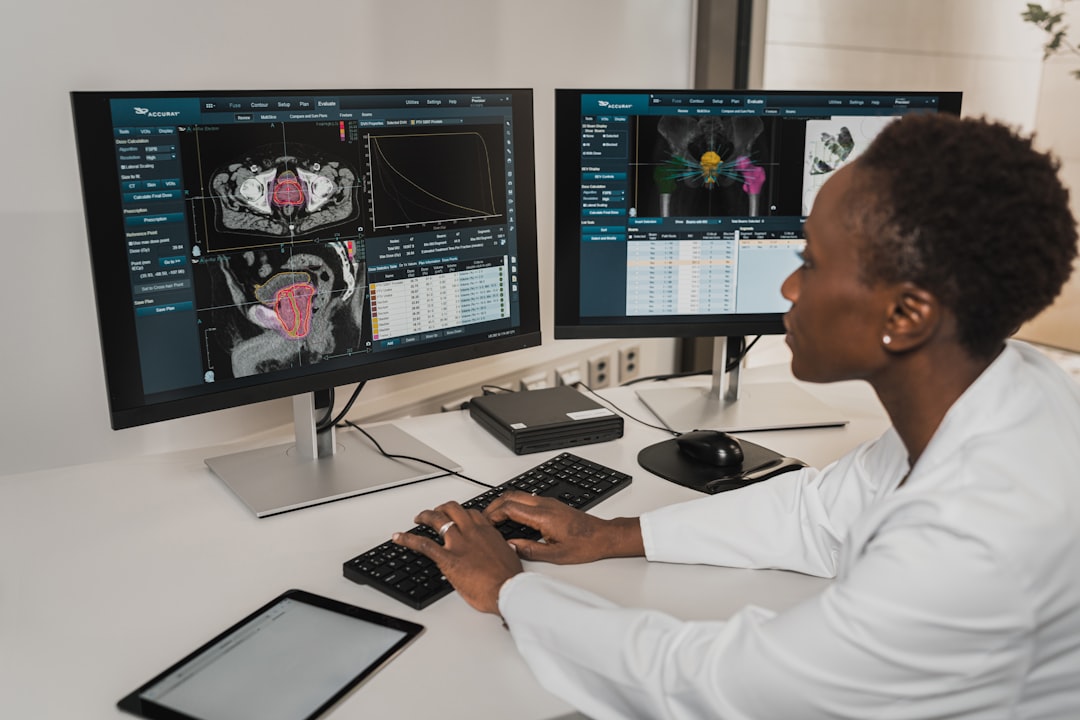
In healthcare environments, Superengine can support document retrieval, patient engagement, administrative automation, and research analysis. For example, it may help staff locate clinical guidelines, summarize patient communications, or identify patterns in operational data. In life sciences, it can assist with literature review, trial data organization, and regulatory documentation.
Because healthcare involves sensitive information, any implementation must emphasize privacy, security, auditability, and compliance. The ability to manage permissions and trace data usage is essential.
Finance and Banking
Financial institutions handle massive amounts of data and strict regulatory requirements. Superengine can support fraud detection, risk scoring, customer service automation, document analysis, and compliance monitoring. It can also help advisors retrieve relevant financial information quickly and provide more personalized service.
In fraud detection, for instance, the system can analyze transaction patterns, detect anomalies, and trigger alerts before damage spreads. In compliance, it can organize policies, monitor workflow completion, and help teams respond to audits more efficiently.
Manufacturing and Supply Chain
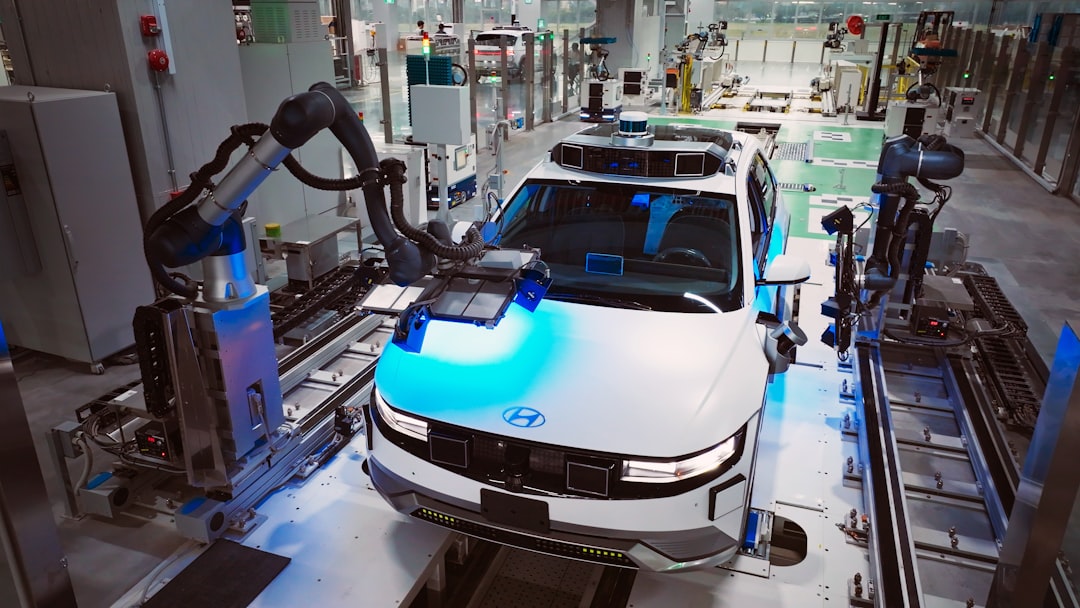
Manufacturers can use Superengine to connect production data, supplier information, maintenance logs, and demand forecasts. This creates opportunities for predictive maintenance, quality control, and supply chain optimization. If machinery data indicates a likely failure, the system can notify maintenance teams before downtime occurs.
Education and Training
Educational institutions and corporate training teams can apply Superengine to personalized learning, content discovery, progress tracking, and administrative support. Learners can receive recommended lessons based on performance, while instructors can identify where students are struggling. In corporate settings, employees can quickly find policies, training modules, and internal expertise.
Benefits for Businesses
The business benefits of Superengine are broad, but several stand out:
- Improved productivity: Employees spend less time searching, copying data, or managing repetitive tasks.
- Faster decision-making: Leaders gain access to timely insights and clearer operational visibility.
- Better customer experiences: Personalization, faster service, and smarter recommendations increase satisfaction.
- Lower operational costs: Automation reduces waste and improves process efficiency.
- Greater scalability: Businesses can handle more users, data, and transactions without proportional increases in manual effort.
- Stronger innovation: Teams can build new digital products and services on top of intelligent infrastructure.
Perhaps the biggest advantage is that Superengine can turn complexity into clarity. Modern businesses often have too many systems, too much data, and too many manual decisions. A well implemented Superengine helps organize that complexity into smoother digital operations.
Implementation Considerations
Despite its potential, Superengine is not a magic solution. Its success depends on planning, data quality, governance, and user adoption. Businesses should begin by identifying a clear problem: slow search, inefficient workflows, poor reporting, inconsistent customer experiences, or disconnected systems. Starting with a focused use case often produces better results than attempting a full enterprise transformation immediately.
Key questions include:
- What data will the Superengine use?
- Which systems must it integrate with?
- Who will use it, and what decisions will it support?
- How will accuracy, security, and compliance be maintained?
- What metrics will define success?
Organizations should also consider change management. Even the most powerful platform can fail if employees do not trust it or understand how to use it. Training, transparency, and gradual rollout can help teams adopt the technology confidently.
The Future of Superengine Technology
The future of Superengine will likely be shaped by advances in artificial intelligence, cloud computing, edge processing, and natural language interfaces. Instead of requiring users to navigate complex menus, future systems may allow people to ask questions, request actions, and generate insights through conversational interaction.
For example, a manager might ask, “Which customer accounts are at risk this quarter, and what actions should we take?” The Superengine could analyze sales activity, support tickets, product usage, account history, and sentiment signals, then produce a prioritized action plan. This kind of intelligent orchestration is where the concept becomes especially powerful.
As more businesses digitize their operations, the need for connected intelligence will only grow. Companies that invest early in strong data foundations and scalable automation will be better positioned to adapt to new markets, customer expectations, and competitive pressures.
Conclusion
Superengine is more than a technical buzzword. It describes a practical shift toward faster, smarter, and more integrated digital operations. By combining data processing, AI, search, automation, analytics, and system integration, it can become a central force behind modern business performance.
Its applications range from ecommerce personalization and enterprise search to predictive maintenance, financial risk analysis, healthcare administration, and education technology. For businesses, the opportunity is clear: use Superengine not just to process more information, but to make that information more useful. When implemented with clear goals and responsible governance, Superengine can help organizations move from fragmented activity to intelligent action.