Build the smallest paid version first, not the prettiest version. AI website builders and no-code platforms can cut weeks from a SaaS launch if you use them to test one clear workflow, one customer type, and one pricing idea. Gartner predicted that 70% of new applications would use low-code or no-code tech by 2025 [source: Gartner], which explains why solo founders and small teams are moving fast with these tools.
TLDR: Use an AI website builder to create the landing page, copy, visuals, and signup flow, then use a no-code platform to build the actual SaaS logic. For example, a founder testing an invoice reminder app could launch a landing page in one day, connect Stripe, and build a simple Airtable-backed dashboard in a week. If 100 visitors produce 8 trial signups and 2 paid users, that is already better data than a month of guessing. Keep the MVP narrow, charge early, and improve only what users actually touch.
Start with one painful job
A SaaS MVP should not be a mini version of your dream product. It should solve one painful job so clearly that a buyer says, “Fine, I’ll try it.”
Good MVP ideas sound simple:
- “Send automatic rent reminders to tenants.”
- “Turn meeting notes into client tasks.”
- “Track expiring employee certificates.”
- “Create branded proposals from a short form.”
That narrow focus matters. No-code tools are fast, but messy thinking still creates messy software. If your idea needs twelve user roles, complex billing, and five dashboards on day one, expect pain. Honestly, it feels like building a house while arguing about the color of the welcome mat.
Use AI website builders for the front door
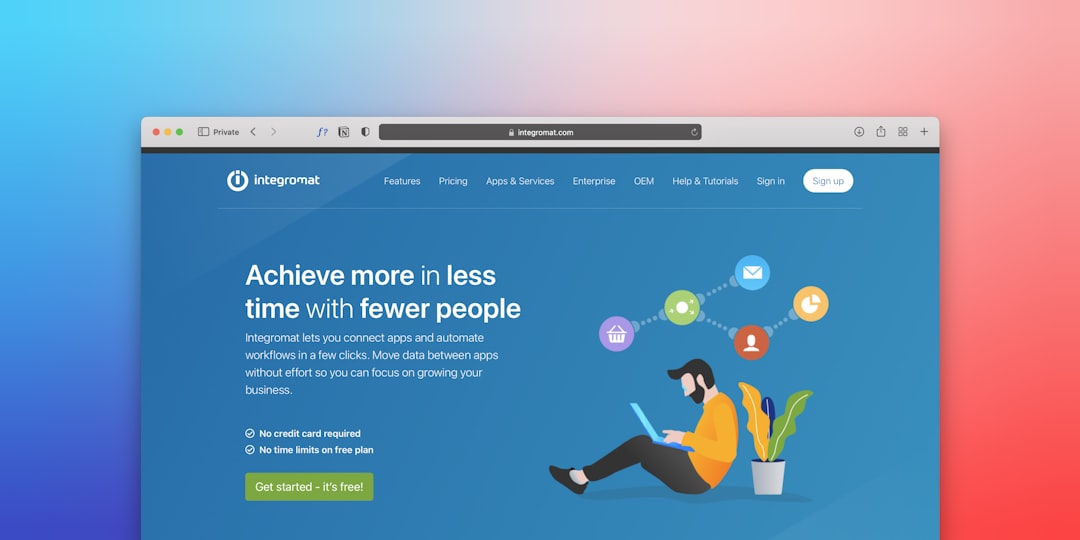
Your website is the first test. Before you build the app, build the promise. AI website builders can help you generate a landing page, hero text, feature sections, FAQs, pricing blocks, and basic branding in hours.
The goal is not perfect design. The goal is clarity. Visitors should understand these things in under ten seconds:
- Who the SaaS is for
- What problem it solves
- What result they get
- What they should do next
Use AI to draft several versions of your headline. Then make it more direct. Replace vague lines like “Simplify your operations” with “Send overdue invoice reminders without chasing clients manually.” That is sharper. It sells the result.
Add a waitlist, demo request, or paid early-access button. If nobody clicks, the app is probably not the issue. The offer is.
Use no-code for the product core
Once the page is live, build the smallest working product. No-code platforms such as Bubble, Glide, Softr, FlutterFlow, Webflow apps, Airtable, Xano, Make, and Zapier can cover a lot of early SaaS needs.
A simple MVP stack might look like this:
- Website: AI-generated landing page with pricing and signup
- Database: Airtable, Supabase, or Xano
- App interface: Bubble, Glide, Softr, or FlutterFlow
- Payments: Stripe checkout
- Email: transactional messages and onboarding sequences
- Automation: Make or Zapier for background tasks
- Analytics: Plausible, Google Analytics, or built-in event tracking
Do not automate everything. Automate the part that proves value. If your SaaS promises faster client onboarding, track how long onboarding takes before and after. If it saves 3 hours per user each week, that number belongs on your homepage.
Prototype the workflow before the interface
Many founders start with screens. That is backwards. Start with the workflow.
Write the customer journey like this:
- User signs up
- User adds one project
- User invites one client
- System sends one reminder
- User sees one status update
- User gets one useful report
Now build only that. It drives me crazy when an MVP has fancy tabs, but the save button takes five seconds longer than it should. Users notice that stuff. They may forgive plain design. They rarely forgive broken basics.
Let AI speed up the boring parts
AI helps most when the task is repetitive or blank-page heavy. Use it to create:
- Landing page copy
- Pricing page text
- Onboarding emails
- Error messages
- Help docs
- Demo scripts
- User interview questions
- SQL snippets or API request examples
Still review every line. AI can sound confident while being wrong. Keep human control over pricing, legal text, customer promises, and support messages. A SaaS product needs trust, not just speed.
Launch before it feels comfortable
A good SaaS MVP often feels slightly embarrassing. That is normal. You need real usage, not another private redesign.
Set a launch bar like this:
- The user can sign up
- The user can complete the core action
- The user can pay or join a trial
- You can see what they did
- You can contact them when something breaks
Send it to 20 people in your target market. Not friends who will be polite. Real prospects. Ask them to complete one task while you watch. If three people get stuck in the same place, fix that before adding anything new.
Measure the right signals
Early SaaS analytics should be simple. Track visits, signup rate, activation rate, payment rate, and churn signals. If 500 visitors produce 50 signups, that is a 10% signup rate. If only 5 complete the first key action, activation is the problem.
Useful MVP metrics include:
- Visitor to signup rate: tests the offer
- Signup to activation rate: tests the onboarding
- Activation to payment rate: tests value
- Support requests: shows confusion
- Repeated use: shows real demand
Keep the first version boring on purpose
The fastest SaaS MVP is usually not the most clever one. It is the one with fewer features, fewer edge cases, and fewer custom parts. AI website builders help you present the idea fast. No-code platforms help you ship the product fast. Together, they let you test a paid SaaS idea before you burn months on code.
Start with one user, one pain, one workflow, and one payment path. Then improve based on behavior. That is how you launch faster without building a product nobody asked for.