

For urgent AC repair, HomeAdvisor is usually the better starting point, while Angi is stronger for comparing company reputations before booking. A homeowner with a leaking air handler or warm air blowing from the vents needs speed first. A homeowner planning ahead for compressor service, seasonal tune-ups, or a second opinion may prefer Angi’s review-heavy setup.
TLDR: HomeAdvisor tends to work best when the AC is down and the homeowner wants fast contact from local technicians. Angi is often better when the homeowner wants to read more reviews, compare ratings, and avoid rushing into the first available appointment. For example, a homeowner who requests three AC repair quotes on a 92-degree afternoon may get quicker calls through HomeAdvisor, while Angi may help that same person spot a contractor with 4.7 stars, 300 reviews, and stronger service notes.
Angi vs HomeAdvisor for AC Repair: The Quick Difference
Angi and HomeAdvisor are closely related service marketplaces, but they often feel different to users. Angi, formerly known as Angie’s List, puts more weight on reviews, business profiles, and project research. HomeAdvisor focuses more on matching homeowners with available pros after a project request is submitted.
For air conditioning repair, that difference matters. AC problems are rarely casual. A bad capacitor, frozen evaporator coil, failed blower motor, or refrigerant leak can make a home miserable within hours. The best platform depends on whether the homeowner values speed, screening, or control over the process.
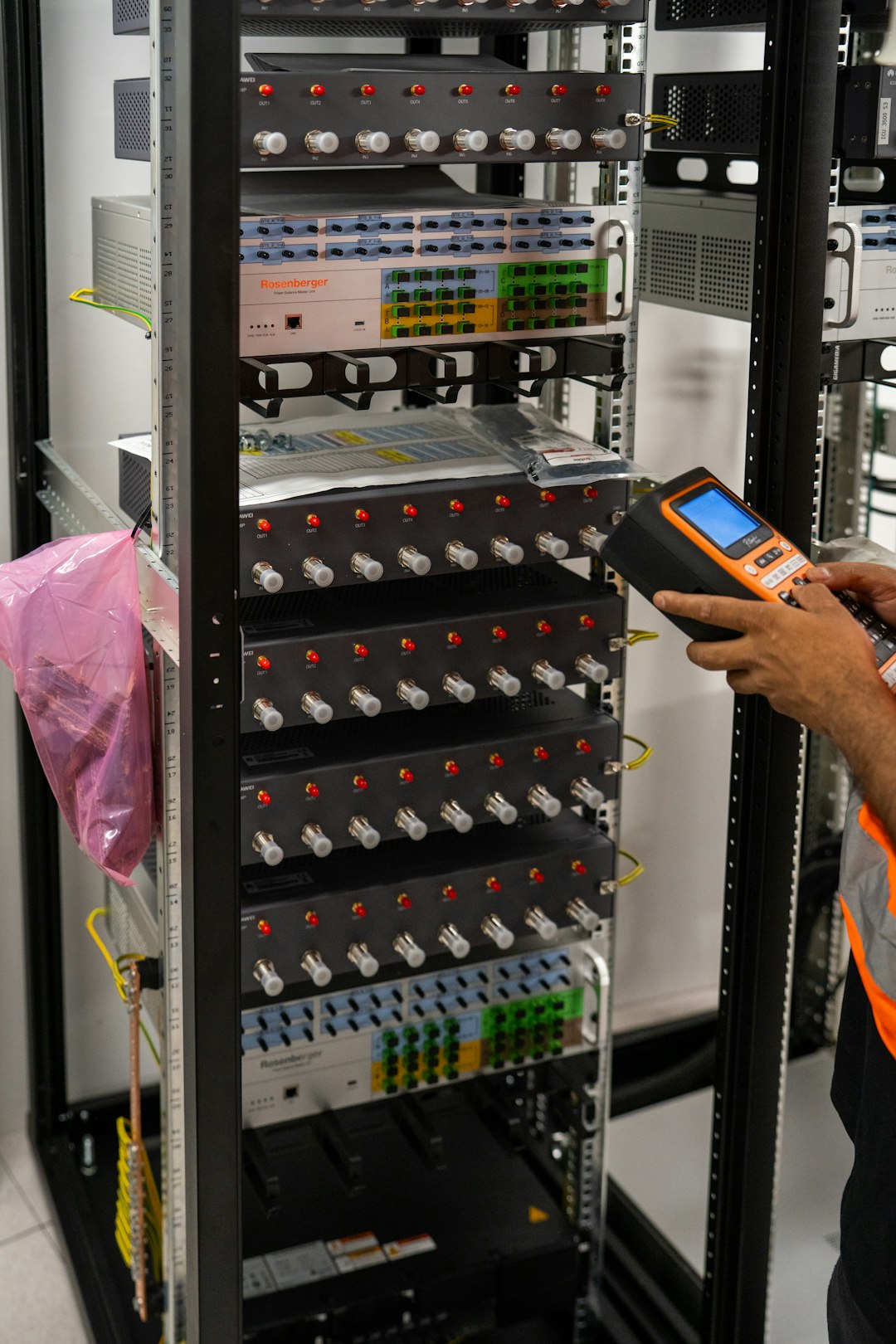
When HomeAdvisor Makes More Sense
HomeAdvisor is useful when the homeowner wants calls or messages from contractors quickly. The system asks for project details, location, timing, and contact information. Then it tries to match the request with local HVAC companies.
This can help during high-heat days when every AC company seems booked. Instead of calling five shops one by one, the homeowner can submit one request and wait for replies. That saves effort, especially when the system works well.
HomeAdvisor is a good fit for:
- Emergency AC repair requests
- Same-day or next-day service needs
- Homeowners who want several companies to reach out
- Simple repairs, such as thermostat issues or weak airflow
- People who do not want to search contractor lists manually
The drawback is contact volume. Honestly, it can feel irritating when one repair request turns into several calls within 20 minutes. Some users like that. Others find it pushy. A homeowner should be ready to answer the phone and compare offers fast.
When Angi Is the Better Choice
Angi is often better for homeowners who want to slow the process down and study the contractor first. It gives more room to inspect ratings, customer comments, photos, service categories, and business details.
This is helpful for AC repair jobs where trust matters. A refrigerant leak, failed compressor, or electrical fault can lead to expensive recommendations. The homeowner may want to know if a company has a pattern of fair pricing, punctual arrivals, and clean work.
Angi is a good fit for:
- Comparing several HVAC companies before calling
- Reading detailed customer feedback
- Checking service history and reputation
- Planning non-emergency AC service
- Getting quotes for repair versus replacement decisions
Expect to waste a little time sorting through profiles that look similar. Some listings may have thin details. Others may not show enough recent AC-specific reviews. Still, Angi usually gives homeowners more information before the first call.
Cost Comparison for AC Repair Leads
Neither Angi nor HomeAdvisor directly controls the final repair price. The contractor sets labor rates, diagnostic fees, part costs, and emergency charges. Still, the platform can shape how easy it is to compare prices.
A common AC service call may cost $75 to $200 for diagnosis, depending on the market and season. A capacitor replacement may run $150 to $450. A blower motor repair may cost $300 to $900. Compressor work can climb far higher.
HomeAdvisor may help a homeowner get multiple responses quickly, which can expose big price differences. Angi may help the homeowner judge whether the cheapest quote is worth the risk.
The lowest price is not always the best deal. A rushed repair can fail again during the next heat wave. That can cost more than hiring a stronger technician the first time.
Screening and Trust
Both platforms may show badges, ratings, reviews, and business details. Homeowners should still do their own checks. HVAC repair involves electrical parts, refrigerant handling, and expensive equipment. A weak contractor can cause real damage.
Before booking through either platform, the homeowner should ask:
- Is the technician licensed where required?
- Does the company carry liability insurance?
- Is there a diagnostic fee?
- Will the fee apply toward the repair?
- Are parts and labor covered by a written warranty?
- Can the company service the AC brand in the home?
- Is emergency or after-hours pricing higher?
Reviews should also be read with care. A 5-star average from six reviews says less than a 4.6-star average from 250 reviews. Recent reviews matter more than old praise from years ago. AC repair quality can change if a company grows, changes staff, or starts outsourcing jobs.
User Experience: Which One Feels Easier?
HomeAdvisor usually feels faster. The homeowner enters the problem and waits for contact. That can be convenient during a hot afternoon when the indoor temperature keeps rising.
Angi often feels better for comparison. The homeowner can browse, read, and shortlist. It gives more control, but the process may take longer.
The annoying part is that both platforms may require contact details before showing the full path to hiring. Some homeowners dislike that tradeoff. They want prices and available appointment times first, not a round of calls and messages.
Best Choice by Situation
| Situation | Better Option | Why |
|---|---|---|
| AC stopped working today | HomeAdvisor | Faster contractor matching |
| Homeowner wants detailed reviews | Angi | Better profile comparison |
| Getting quotes for a costly repair | Angi | More time to compare reputation |
| Need several calls quickly | HomeAdvisor | Strong for rapid outreach |
| Routine AC maintenance | Angi | Easier to screen local companies |
Smart Booking Tips for Either Platform
A homeowner should avoid booking based only on the first reply. That is hard when the house is hot, but it helps. Two or three quotes can reveal whether one company is pushing an inflated repair.
Good steps include:
- Describe the AC issue clearly, including noises, leaks, and airflow changes.
- Ask for the diagnostic fee before the visit.
- Request a written estimate before approving work.
- Ask whether the part is in stock.
- Compare repair cost against system age.
- Keep photos of damaged parts and invoices.
If the AC system is over 12 to 15 years old, the homeowner should ask whether repair still makes sense. A $1,500 repair on an old unit may be a poor choice if efficiency is low and breakdowns keep coming.

Final Verdict
HomeAdvisor is best for speed. It suits emergency AC repair, sudden breakdowns, and homeowners who want multiple contractors to make contact fast. It may also help in busy summer months when direct calls go unanswered.
Angi is best for research. It suits homeowners who want to compare HVAC companies, read more reviews, and make a less rushed choice. For expensive AC repairs, that extra screening can be worth the time.
The best approach may be to use both. A homeowner can request quick availability through HomeAdvisor, then cross-check company reviews on Angi before booking. That gives speed without giving up basic caution.
FAQ
Is Angi or HomeAdvisor better for emergency AC repair?
HomeAdvisor is usually better for emergency AC repair because it is built around fast contractor matching and quick responses.
Is Angi better for checking HVAC company reviews?
Yes. Angi is often stronger for reading reviews, comparing profiles, and studying a contractor before scheduling service.
Do Angi and HomeAdvisor set AC repair prices?
No. The HVAC company sets the final price. The platform helps connect the homeowner with service providers, but repair costs depend on labor, parts, location, and urgency.
Should a homeowner get more than one AC repair quote?
Yes, when possible. Two or three quotes can help spot high pricing, vague estimates, or unnecessary replacement recommendations.
What should be checked before hiring an AC repair company?
The homeowner should check licensing, insurance, recent reviews, diagnostic fees, warranty terms, and experience with the AC brand in the home.