
Base44 is usually the better choice for rapid MVP development when the goal is to launch a working business app with less setup and fewer technical decisions. Lovable is stronger when a team wants more control over the code, UI structure, and developer workflow. For founders, operators, and product teams racing toward validation, the better tool depends on whether speed or control matters more.
TLDR: Base44 is best for turning an idea into a usable MVP quickly, especially for internal tools, dashboards, marketplaces, and customer portals. Lovable is better for teams that want a polished front end, GitHub sync, and more hands-on editing. For example, a two-person startup building a booking MVP could get a Base44 prototype live in 1 to 2 days, while Lovable may take 3 to 5 days but produce cleaner front-end code. In practical terms, Base44 can cut early build time by about 40% to 60% for non-technical teams.
Quick Verdict
Base44 and Lovable both promise AI-powered app creation, but they serve slightly different users. Base44 feels more like an all-in-one app builder. It handles core app parts such as data, authentication, user flows, and deployment with less manual effort. That makes it useful for MVPs where working features matter more than perfect code.
Lovable feels more like an AI coding partner with a visual layer. It is popular with founders and developers who want React-style apps, Supabase connections, and more direct control over the codebase. It can create impressive interfaces fast, but teams may need more technical judgment to fix issues, refine structure, and manage integrations.
Best Use Cases for Base44
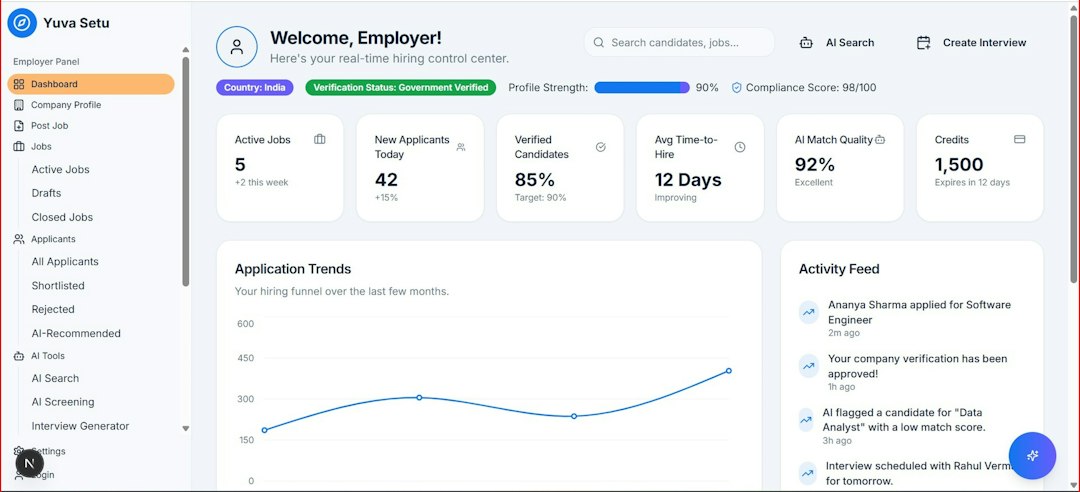
Base44 works well for teams that need a functional product fast. It is especially useful when the MVP depends on forms, user accounts, tables, workflows, admin screens, and simple business logic.
- Internal tools: CRM systems, inventory trackers, approval tools, and reporting dashboards.
- Customer portals: Booking systems, onboarding hubs, client dashboards, and service request apps.
- Marketplaces: Simple buyer-seller platforms with profiles, listings, and messaging-style flows.
- Operations apps: Tools for agencies, logistics teams, clinics, schools, and service businesses.
The biggest advantage is that Base44 reduces the number of moving parts. A team does not need to think as much about setting up a backend, selecting a database, wiring authentication, or hosting the first version. That saves time when the MVP is supposed to answer one question: Does anyone want this?
Best Use Cases for Lovable
Lovable is a better fit when the MVP must look polished and may later become a developer-led codebase. It can generate front-end-heavy apps from prompts and supports a workflow that feels natural for technical founders.
- SaaS landing plus app flows: Login screens, pricing pages, dashboards, and onboarding screens.
- Consumer apps: Apps where visual design and interaction quality are key.
- Developer-assisted MVPs: Projects where a developer will review, refactor, and extend the code.
- Supabase-backed apps: Products that need a common modern stack with auth and database support.
Lovable can be very fast in skilled hands. The issue is that AI-generated code still needs review. It drives teams crazy when a small change breaks styling or when a generated component looks right but behaves oddly. A non-technical founder may get stuck at that exact point.
Speed: Which One Builds Faster?
Base44 usually wins on raw MVP speed. It is designed to move from idea to working app with fewer setup steps. For a simple business app, a founder can describe user roles, pages, and data needs, then refine the result through prompts and edits.
Lovable is still fast, but it can introduce more decisions. The team may need to choose how data is stored, how components are structured, and how to fix generated code. That flexibility is useful, but it slows teams that just need a quick validation build.
A realistic test looks like this: a simple client portal with login, project list, file upload, and admin notes. Base44 may produce a usable version in one long workday. Lovable may create a better-looking first version, but it can take extra time to connect data correctly and polish edge cases.
Ease of Use
For non-technical users, Base44 is easier to grasp. It hides more technical complexity and focuses on the finished app experience. Business users can think in terms of screens, roles, and workflows.
Lovable has a friendlier feel than traditional coding tools, but it still rewards technical understanding. Teams that know React, databases, APIs, and GitHub will get more from it. Without that knowledge, errors can feel cryptic. Honestly, it feels like Lovable gives more power, then quietly hands over more responsibility too.

Design and UI Quality
Lovable often has the edge in visual polish. It can create modern interfaces with strong layouts, clean typography, and good spacing. For MVPs that need investor demos, waitlist signups, or customer-facing screens, that matters.
Base44 is more practical. Its interfaces are usually clear and usable, but not always as refined. That is not a deal-breaker for many MVPs. A usable dashboard with real data beats a beautiful mockup with broken flows.
The choice depends on the product. A back-office tool does not need award-level design. A consumer finance app or creator platform may need a cleaner look from day one.
Backend, Data, and Integrations
Base44 shines when a team wants the backend handled with minimal friction. It is strong for apps that need database records, permissions, and user-facing workflows. The experience is closer to building a complete product than assembling a front end.
Lovable works well with tools such as Supabase and GitHub. This is valuable for technical teams because the project can move into a more standard development process. The tradeoff is setup and maintenance. Permissions, database schema, and API behavior still need careful checking.
For founders testing demand, Base44’s managed approach is often enough. For teams planning to scale the MVP into a production-grade software product, Lovable may offer a better path into custom development.
Code Ownership and Flexibility
Lovable is stronger for code ownership. Its GitHub-friendly model gives teams more room to inspect and modify the app. Developers can take the generated project and keep building.
Base44 may be less appealing to teams that want deep control over every part of the stack. Its value comes from abstraction. That same abstraction can become a limit when the product needs unusual logic, complex integrations, or highly custom UX.
This is the main split: Base44 is better when the MVP is a means to test a business idea. Lovable is better when the MVP is also the foundation for a long-term codebase.
Pricing and Team Fit
Pricing can change, so teams should check the current plans before choosing. Still, the buying logic is clear. Base44 makes sense when it saves founder time, reduces developer costs, and helps a team avoid hiring too early. Lovable makes sense when the team has technical help and wants more control from the start.
For a solo founder with no engineering support, Base44 is often the safer bet. For a technical founder building a SaaS MVP, Lovable may be more rewarding. For an agency building client prototypes, both tools can fit. Base44 is better for quick operational apps. Lovable is better for polished demos and code handoff.
Final Recommendation
Choose Base44 for the fastest route to a working MVP. It is the better option for non-technical teams, business apps, internal tools, and workflow-heavy products. It removes friction and helps teams test real usage sooner.
Choose Lovable when design quality, code access, and developer control matter more. It is better for technical founders, SaaS prototypes, and products that may grow into a custom codebase.
The simplest rule is this: if the MVP must be used by real users this week, Base44 is likely better. If the MVP must become a flexible software product with cleaner code control, Lovable is likely the smarter pick.
FAQ
-
Which is better for non-technical founders?
Base44 is usually better because it handles more of the app structure, backend, and setup behind the scenes. -
Which tool is better for developers?
Lovable is often better for developers because it offers more code visibility, GitHub workflow support, and front-end flexibility. -
Can Base44 build a real MVP?
Yes. Base44 is well suited for real MVPs that need users, data, forms, workflows, and dashboards. -
Can Lovable build production-ready apps?
Lovable can create strong starting points, but generated code should be reviewed, tested, and improved before serious production use. -
Which is faster for a simple business app?
Base44 is usually faster because it requires fewer technical setup steps and less manual wiring. -
Which creates better-looking apps?
Lovable often produces more polished front-end designs, especially for SaaS dashboards and customer-facing pages. -
What is the best choice for rapid MVP development?
Base44 is the better default for rapid MVP development. Lovable is the better pick when the team has technical skills and wants more control.