
Software as a Service companies operate in markets where product experience, customer trust, and speed of execution directly affect revenue. A SaaS product is rarely judged only by its features; it is judged by how quickly users understand its value, how confidently they move through its workflows, and how consistently the brand communicates reliability. This is why many SaaS companies choose to work with specialized design agencies rather than relying only on generalist providers or internal teams.
TLDR: SaaS companies work with specialized design agencies because SaaS design requires a deep understanding of product strategy, user onboarding, conversion, retention, and scalable design systems. These agencies bring experience with subscription models, complex workflows, and fast release cycles. They help SaaS teams reduce friction, improve customer trust, and build interfaces that support long-term growth. In competitive markets, specialized design can become a measurable business advantage.
Design in SaaS Is Not Just About Appearance
For SaaS businesses, design is closely connected to product performance. A clean interface is important, but it is only one part of the equation. The larger question is whether the design helps users complete tasks, understand product value, and stay engaged over time.
A specialized SaaS design agency typically looks beyond colors, typography, and layout. It considers the full customer journey: the first website visit, trial signup, onboarding sequence, dashboard experience, feature adoption, billing flow, support interactions, and retention touchpoints. Each of these moments can influence whether a user becomes a paying customer or cancels the subscription.
In SaaS, design decisions often have direct commercial consequences. A confusing onboarding flow may reduce activation. A poorly structured pricing page may lower conversions. A cluttered dashboard may slow adoption. A lack of visual consistency may weaken trust, especially for enterprise buyers. Specialized agencies understand these risks and design with both users and business outcomes in mind.
Specialized Agencies Understand SaaS Business Models
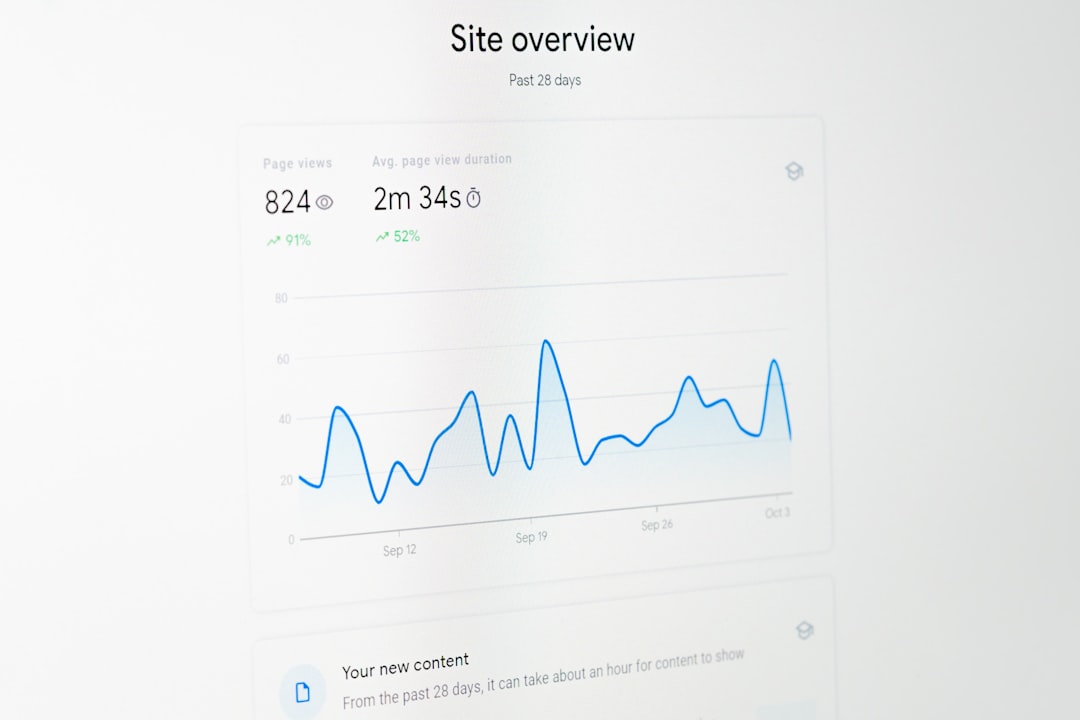
SaaS companies have different needs from traditional businesses. They often depend on recurring revenue, product led growth, free trials, freemium plans, self service conversions, and continuous customer engagement. A design agency that understands these models can make more informed decisions.
For example, the design of a SaaS pricing page is not simply a matter of making plans look attractive. It requires clarity around value, plan comparison, buyer hesitation, upgrade paths, and perceived risk. Similarly, onboarding design is not only about welcoming a user; it is about guiding that user to the first meaningful success point as quickly as possible.
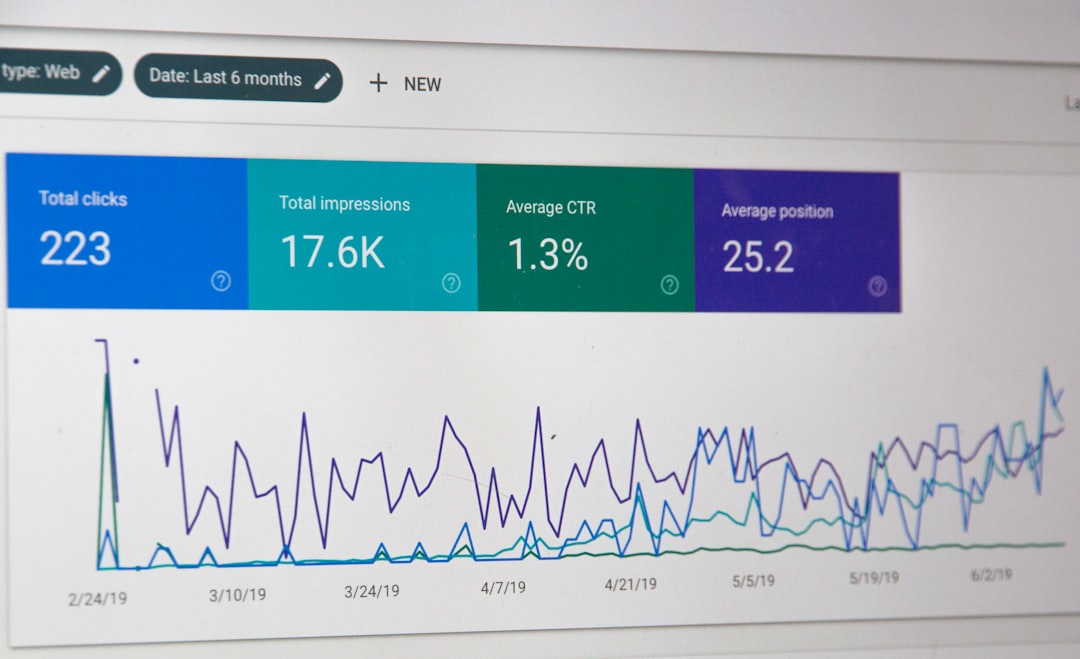
A specialized agency is more likely to understand important SaaS metrics such as:
- Activation rate: how many new users reach a key product milestone.
- Conversion rate: how many visitors or trial users become paying customers.
- Retention: how many customers continue using the product over time.
- Churn: how many customers cancel or stop engaging.
- Expansion revenue: how successfully users upgrade, add seats, or adopt higher tier features.
When designers understand these metrics, their work becomes more strategic. They are not simply producing screens; they are helping the company improve the health of the business.
SaaS Products Often Have Complex Workflows
Many SaaS products are built to solve sophisticated problems. They may include permissions, dashboards, integrations, automation, reporting, collaboration tools, data visualization, admin settings, and multi step workflows. Designing these experiences requires more than visual skill. It requires a strong understanding of information architecture and user behavior.
Specialized design agencies are often experienced in simplifying complex systems. They know how to organize dense information, reduce cognitive load, and create interfaces that feel manageable even when the product itself is powerful. This is especially important for B2B SaaS companies, where users may need to complete important tasks under time pressure.
A generalist designer may create an attractive interface, but a SaaS focused team is more likely to ask questions such as:
- What is the primary task for each user role?
- Which features should be visible immediately, and which should be secondary?
- Where are users likely to feel uncertainty or friction?
- How can the product support both beginners and advanced users?
- What design patterns will remain scalable as the product grows?
These questions are essential because SaaS products rarely stay static. They evolve over months and years, adding features, serving new customer segments, and expanding into new use cases. A design approach that is not scalable can become expensive and limiting later.
They Help Build Scalable Design Systems
One of the most valuable contributions a specialized agency can make is the creation of a design system. A design system is a structured collection of reusable components, patterns, guidelines, and principles that help teams design and build consistently.
For a SaaS company, a design system can improve speed and quality at the same time. Product managers, designers, and developers can use shared components instead of reinventing common interface elements for every feature. This makes releases faster and reduces inconsistencies across the product.
A strong design system may include:
- Buttons, forms, menus, tables, cards, modals, and navigation patterns.
- Typography, color, spacing, iconography, and layout rules.
- Accessibility standards and interaction states.
- Guidelines for empty states, error messages, notifications, and confirmation flows.
- Documentation that helps teams apply the system correctly.
Consistency is not only a visual concern. It also supports usability. When users recognize patterns across the interface, they learn the product faster and make fewer mistakes. For SaaS companies with growing product teams, a design system also helps maintain quality while development velocity increases.

External Expertise Brings Objectivity
Internal teams can be deeply knowledgeable, but they can also become too close to the product. A company that has been building a platform for years may underestimate how confusing it feels to a first time user. Internal stakeholders may assume that certain terminology, navigation structures, or workflows are obvious because they are familiar to the team.
A specialized agency brings an external perspective. It can evaluate the product more objectively and identify friction that internal teams may overlook. This is particularly useful during redesigns, new product launches, or repositioning efforts.
Agencies also bring cross market experience. They may have worked with several SaaS companies across industries such as finance, healthcare, cybersecurity, human resources, analytics, education, or productivity. While each product is different, many SaaS design challenges repeat across categories. This pattern recognition can help agencies move faster and avoid common mistakes.
Speed Matters in Competitive SaaS Markets
SaaS companies often operate under tight timelines. They need to launch new features, test positioning, improve funnels, support sales teams, and respond to customer feedback quickly. Hiring and training an internal design team can take months, and even established teams may not have enough capacity for major initiatives.
Specialized agencies can provide immediate senior level support. They often have established processes for discovery, research, prototyping, user testing, visual design, and handoff to development. This can help SaaS companies accelerate important work without compromising quality.
Common agency engagements include:
- Website redesigns to improve positioning, credibility, and conversion.
- Product redesigns to simplify workflows and modernize the interface.
- Onboarding optimization to help users reach value faster.
- Design system development to support long term product scalability.
- Investor or enterprise sales support through polished product visuals and clearer storytelling.
For many SaaS companies, speed is not just operationally convenient. It can affect growth, funding, sales cycles, and market position. A strong agency partnership can help the company move with greater confidence.
Better Design Can Improve Trust and Credibility
Trust is essential in SaaS, especially when customers are asked to store data, connect business systems, invite teams, or commit to recurring payments. Design plays a significant role in creating that trust.
A professional and consistent visual identity signals that a company is serious, stable, and attentive to detail. Clear messaging helps buyers understand what the product does and who it is for. Well structured interfaces reduce uncertainty. Accessible, responsive, and polished design can make the product feel safer and more dependable.
This is especially critical for B2B SaaS companies selling to larger organizations. Enterprise buyers often evaluate not only features and pricing, but also the maturity of the vendor. A poorly designed website or confusing product experience can raise doubts, even if the underlying technology is strong.
A specialized agency can help align the company’s brand, website, and product experience so they communicate the same level of professionalism. This alignment makes the company easier to understand and easier to trust.
They Can Support Product Led Growth
Many SaaS companies rely on product led growth, where the product itself drives acquisition, activation, conversion, and expansion. In this model, design is central. Users must be able to discover value without heavy sales involvement or lengthy training.
Specialized agencies can help design product experiences that encourage self service adoption. This may involve clearer onboarding, contextual education, in product prompts, cleaner navigation, better empty states, and upgrade moments that feel natural rather than intrusive.
Good product led design respects the user’s time. It does not overwhelm people with every feature at once. Instead, it introduces value in the right sequence. It helps users build confidence step by step. Over time, this can reduce support burden, improve trial conversion, and increase customer satisfaction.
Specialized Agencies Collaborate Across Teams
SaaS design does not happen in isolation. It affects marketing, product, engineering, sales, customer success, and leadership. A specialized agency is usually comfortable working across these functions.
For example, a website redesign may require input from marketing and sales, while a product redesign may require close collaboration with product managers and engineers. Customer success teams may provide insight into common user frustrations. Leadership may contribute strategic direction around market positioning and business goals.
A capable agency can structure this collaboration, gather the right information, and keep the project moving. This is valuable because SaaS teams are often busy and cross functional alignment can be difficult. Clear communication, defined milestones, and evidence based recommendations help reduce confusion and improve decision making.
When Should a SaaS Company Hire a Specialized Design Agency?
Not every SaaS company needs an agency at every stage. However, there are several moments when specialized support can be especially valuable:
- The company is preparing to launch a new product or major feature.
- The website is not converting visitors into demos, trials, or customers.
- Users are signing up but not activating or returning.
- The product has become difficult to navigate as features have expanded.
- The brand no longer reflects the company’s maturity or market position.
- The internal team needs senior design expertise or additional capacity.
- The company is targeting enterprise customers and needs stronger credibility.
In these situations, the cost of poor design can be significant. Lost conversions, slow adoption, customer frustration, and inconsistent product experiences can all affect revenue. A specialized agency can help address these issues with a structured and experienced approach.
Conclusion
SaaS companies work with specialized design agencies because the demands of SaaS design are specific, strategic, and closely tied to business performance. A SaaS product must do more than look modern. It must explain value clearly, guide users efficiently, support recurring engagement, and scale as the company grows.
Specialized agencies bring relevant experience, objective perspective, proven processes, and an understanding of SaaS metrics. They can help improve onboarding, conversion, retention, product usability, brand credibility, and design consistency. For companies competing in crowded software markets, these improvements are not cosmetic. They can influence whether users trust the product, adopt it, and continue paying for it.
Ultimately, working with a specialized design agency is often a practical decision. It allows SaaS companies to combine product ambition with design expertise, helping them build experiences that are not only attractive, but also clear, reliable, and commercially effective.