
BestOutcome is a UK-based project portfolio management system designed for organizations that need stronger governance, clearer reporting, and better control over complex project environments. Its flagship platform, PM3, is positioned as a practical PPM solution for senior leaders, PMOs, project managers, and delivery teams that need to prioritize work, manage risk, and track benefits with more discipline.
TLDR: BestOutcome PM3 is best suited to mid-sized and large organizations that need structured portfolio oversight, executive dashboards, risk management, and benefits tracking. For example, a PMO managing 80 active projects could use PM3 to identify which 15 projects are over budget, which 10 carry the highest delivery risk, and which initiatives are not aligned with strategic objectives. Pricing is not publicly listed and is typically provided by quotation, so buyers should expect a consultative sales process. Overall, BestOutcome is a serious PPM option for organizations that value governance and visibility over lightweight task management.
Company Overview
BestOutcome is a project portfolio management software company headquartered in the United Kingdom. The company has built its reputation around helping organizations improve project delivery, portfolio governance, and PMO performance. Rather than focusing on simple team collaboration, BestOutcome concentrates on more formal project and portfolio management needs, particularly where executives require accurate information to make funding, resource, and prioritization decisions.
The company’s main product, PM3, is used across sectors where project control and accountability matter, including healthcare, government, financial services, professional services, and enterprise IT. BestOutcome also provides implementation support, consulting, and training, which is important for organizations that are moving away from spreadsheet-based reporting or disconnected project tools.
In practice, BestOutcome is not only selling software; it is selling a more structured way to manage portfolios. This distinction matters because many PPM systems fail not due to lack of functionality, but because organizations do not have the right processes, roles, and reporting standards in place.

Core Features of BestOutcome PM3
BestOutcome PM3 offers a broad set of PPM capabilities. Its strongest value comes from connecting strategic planning, project governance, delivery tracking, and management reporting in one platform.
Portfolio Management
PM3 enables organizations to view projects and programs as part of a wider portfolio. This helps leadership teams understand where money, people, and management attention are being invested. Users can categorize initiatives by business unit, strategic objective, priority, risk level, budget, and delivery status.
This functionality is especially useful for PMOs that need to answer questions such as:
- Which projects support our most important business objectives?
- Which initiatives are competing for the same resources?
- Which projects are failing to deliver expected benefits?
- Where should funding be increased, reduced, or stopped?
Project and Program Tracking
PM3 supports day-to-day project and program tracking, including milestones, status updates, dependencies, risks, issues, actions, and decisions. The platform is designed to replace manual reporting processes that often rely on spreadsheets, email updates, and slide decks.
Project managers can update progress in a structured format, while PMO and executive users can access consolidated views. This reduces the effort required to prepare status reports and improves consistency across the organization.
Dashboards and Reporting
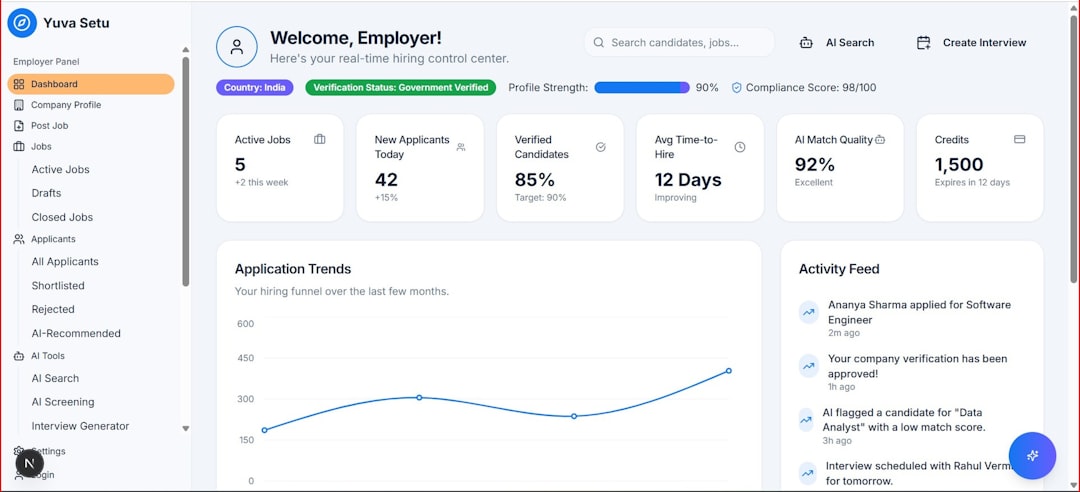
One of BestOutcome’s key strengths is reporting. PM3 includes dashboards for different stakeholder groups, from project teams to senior executives. These dashboards can show portfolio health, red amber green status, financial performance, benefits realization, risk exposure, and delivery confidence.
For senior leadership, this can be particularly valuable. Instead of reviewing static monthly reports, executives can see current portfolio information and drill down into problem areas. This helps organizations identify issues earlier and make faster decisions.
Risk and Issue Management
PM3 includes structured risk and issue management features. Users can log risks, assess probability and impact, allocate owners, define mitigation actions, and track changes over time. Issues can be escalated and monitored through governance processes.
This is a significant advantage for organizations with regulated environments or critical transformation programs. A consistent risk framework makes it easier to compare delivery threats across the portfolio instead of treating each project in isolation.
Benefits Realization
Benefits tracking is another important feature. Many organizations approve projects based on expected financial savings, revenue growth, service improvements, compliance outcomes, or operational efficiencies. However, those benefits are often poorly tracked after the business case is approved.
BestOutcome PM3 helps organizations define, monitor, and report on expected benefits. This gives PMOs and executives a clearer view of whether projects are actually delivering value, not just completing tasks on time.
Resource and Capacity Visibility
Resource management is a common problem in portfolio delivery. PM3 provides visibility into demand, capacity, and allocation, helping organizations understand whether they have enough people with the right skills to deliver approved work.
This can support better planning and more realistic commitments. If a portfolio requires 1,200 project days in a quarter but only 850 are available, leadership can make informed decisions about delaying, reprioritizing, or changing scope.
Governance and Workflow
BestOutcome PM3 supports structured governance processes, including approvals, stage gates, reporting cycles, and escalation routes. This is useful for organizations with formal PMO standards or project assurance requirements.
The platform helps ensure that projects follow agreed processes and that required information is captured at the right points. This reduces reliance on individual project managers’ personal reporting styles and improves organizational consistency.
User Experience and Ease of Use
BestOutcome PM3 is designed for professional project and portfolio environments, so it may feel more structured than lightweight work management tools. This is not necessarily a weakness. For organizations with mature PMOs, governance boards, and complex portfolios, structure is often exactly what is needed.
However, new users may require training, especially if they are unfamiliar with PPM terminology or formal governance processes. BestOutcome’s consulting and implementation support can help reduce adoption risk. Organizations should plan for configuration, stakeholder engagement, and user onboarding rather than expecting an instant plug and play deployment.
Pricing
BestOutcome does not generally publish standard pricing on its website. Like many enterprise-focused PPM vendors, pricing is typically provided through a custom quotation based on factors such as organization size, number of users, required modules, implementation scope, hosting arrangements, and support needs.
Potential buyers should expect the total cost to include more than software licensing. A realistic budget may include:
- Software subscription or licensing fees
- Implementation and configuration services
- Training for administrators, PMO users, and project managers
- Data migration from spreadsheets or legacy systems
- Ongoing support and possible consulting services
Because pricing is quote-based, BestOutcome is likely to be most appropriate for organizations with a serious PPM requirement and the budget to support a managed implementation. Smaller teams looking only for task boards, simple collaboration, or low-cost project tracking may find it more comprehensive than they need.
Strengths
- Strong portfolio governance: PM3 is built for structured project and portfolio control.
- Executive visibility: Dashboards and reporting support better senior management decisions.
- Benefits tracking: The platform focuses on value delivery, not only project completion.
- Risk and issue discipline: Standardized risk processes help improve assurance and escalation.
- Consultative support: BestOutcome can help organizations implement better PPM practices, not just software.
Potential Limitations
- No public pricing: Buyers must contact the company for a tailored quote.
- Implementation effort: Organizations should expect configuration, training, and change management.
- Less suited to very small teams: The platform is designed for formal PPM environments rather than casual task tracking.
- Process maturity required: To get full value, organizations need clear governance and reporting standards.

Who Should Use BestOutcome?
BestOutcome PM3 is a good fit for organizations that manage multiple projects and need a reliable way to prioritize, govern, and report on them. It is particularly relevant for PMOs, transformation offices, enterprise IT departments, public sector organizations, and businesses running strategic change programs.
A typical use case might be a healthcare organization running 60 digital transformation and service improvement projects. With PM3, the organization could monitor project status, track clinical and operational benefits, identify resource conflicts, and report progress to senior leadership through a consistent dashboard. This type of visibility is difficult to maintain with spreadsheets alone.
Final Verdict
BestOutcome PM3 is a serious PPM platform for organizations that need more than basic project tracking. Its strengths lie in portfolio visibility, governance, executive reporting, benefits realization, and risk management. The system is especially valuable where leaders need trustworthy information to make decisions about investment, priorities, and delivery performance.
The main considerations are pricing transparency and implementation effort. Since costs are quote-based, buyers should request a detailed proposal and clarify what is included in licensing, configuration, training, and support. Organizations should also be prepared to invest time in process design and user adoption.
Overall, BestOutcome is best viewed as a strategic PMO and portfolio management solution. For organizations with complex portfolios and a genuine need for governance, it can provide the structure and insight required to improve delivery outcomes and ensure projects remain aligned with business priorities.